Designed for seed testing procedures based on ISTA standards
As global seed trade, variety breeding, and seed quality regulation continue to advance, seed laboratories are increasingly developing toward standardization, digitalization, and automation. Whether serving the Southeast Asian market, the Russian market, or research breeding and commercial seed testing in Europe and North America, laboratory construction must be based on internationally recognized standards to ensure accurate and globally accepted testing results.
Among these standards, the ISTA Rules established by the International Seed Testing Association have become an important foundation for global seed quality testing and a key reference system for building standardized seed laboratories.
In the ISTA (International Seed Testing Association) standard system, Sampling is one of the most critical preliminary steps in seed testing, because all subsequent results—such as purity, germination, moisture, and health testing—depend on whether the sample is representative.
Sampling usually includes two operations
Primary Sampling → Taking primary samples from the entire seed lot
Sample Reduction / Dividing → Uniformly reducing the large sample into laboratory working samples
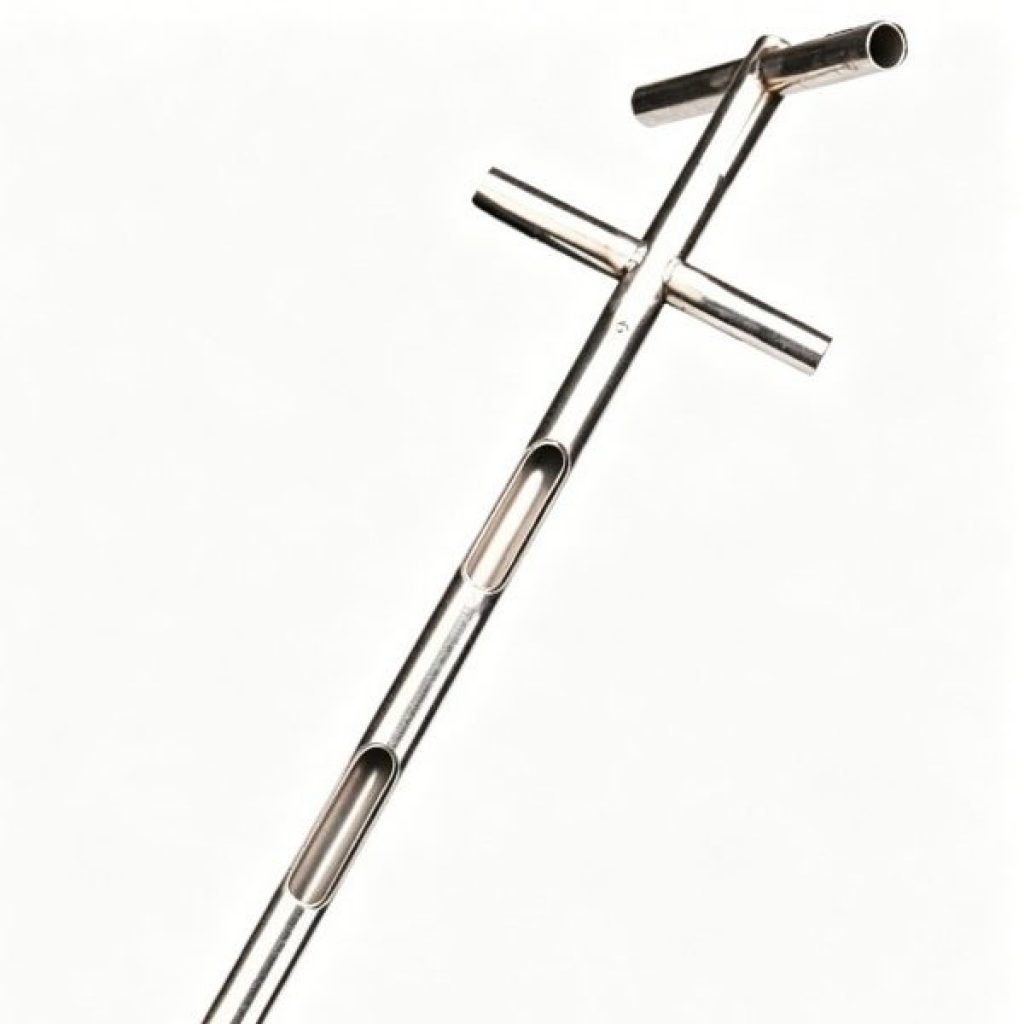
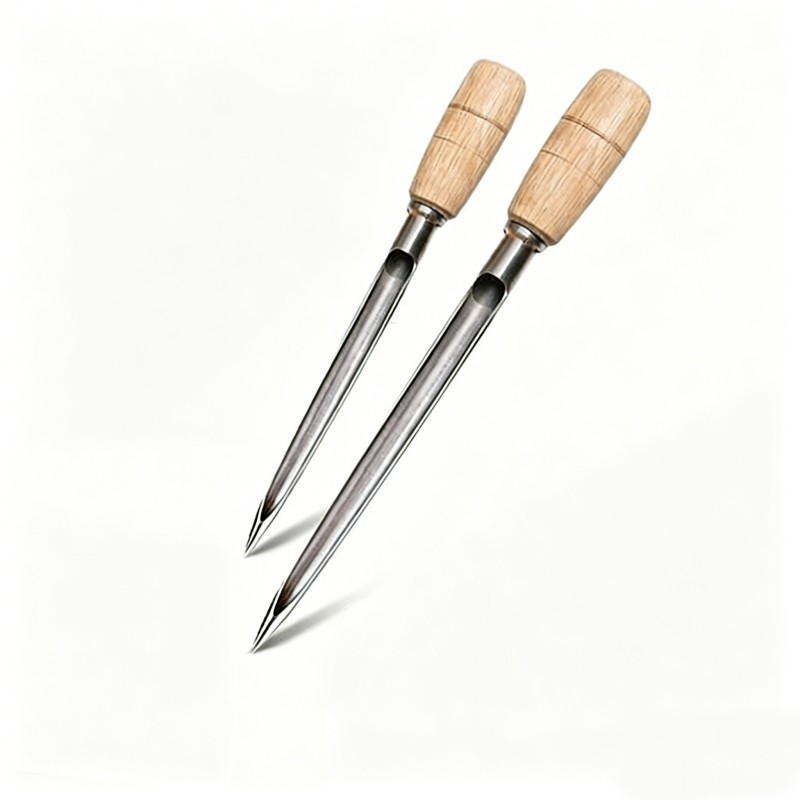
QY-1 Stainless Steel Grain Probe Sampler
QY-2 Grain Probe Sampler with Wood Handle
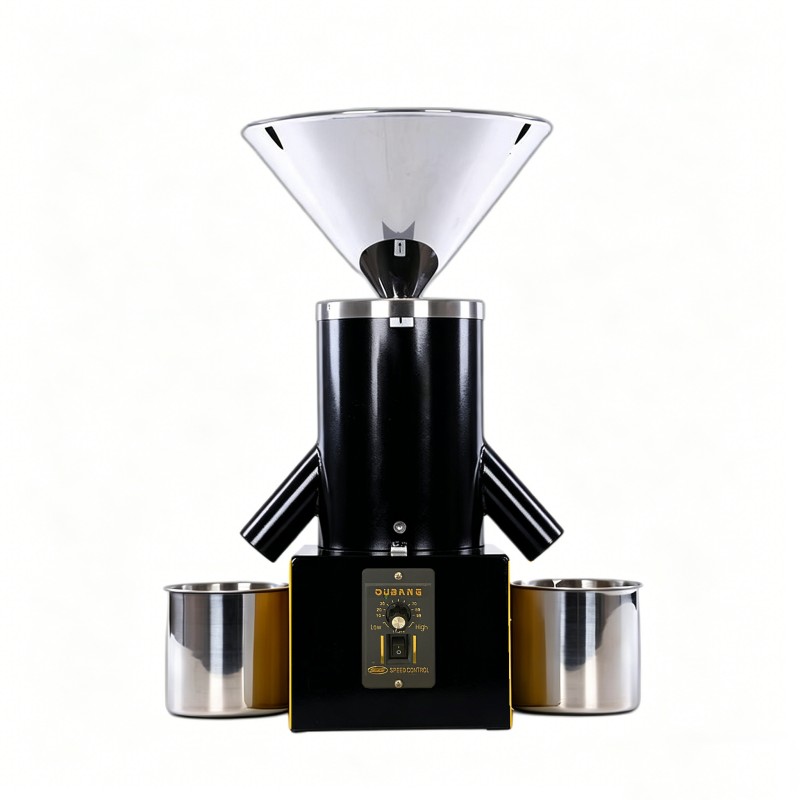
LXFY-2 Electric Centrifugal Seed Divider
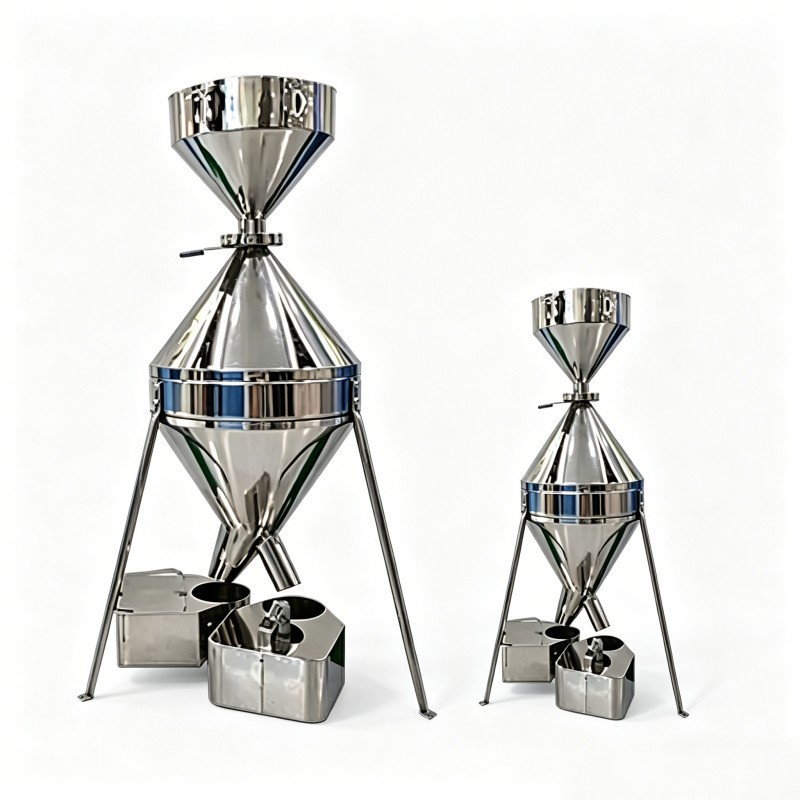
JFYZ Seed Divider Boerner Type
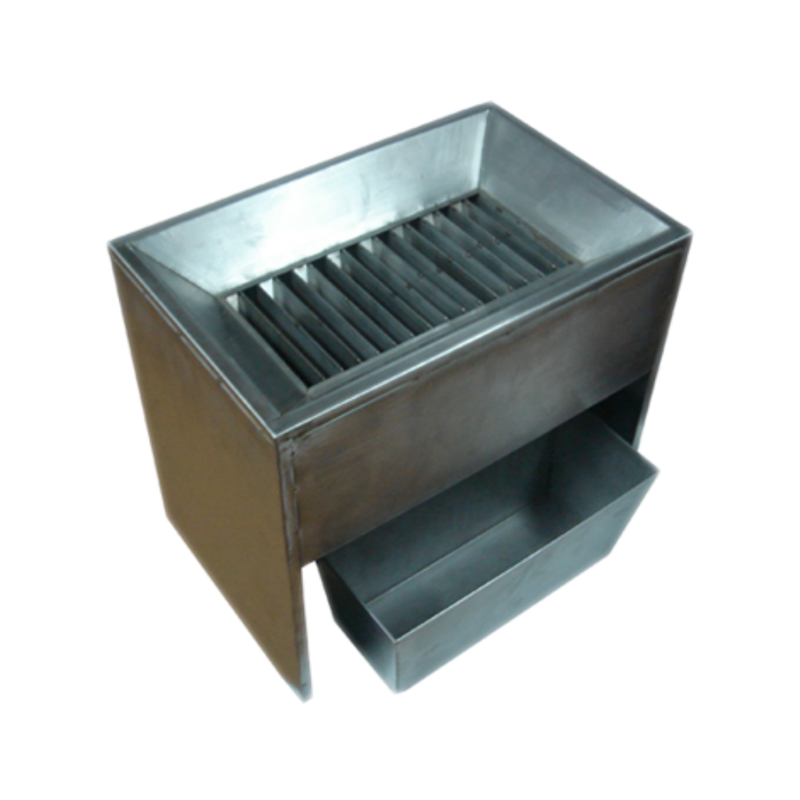
HGG Riffle Seed Divider (Stainless Steel)
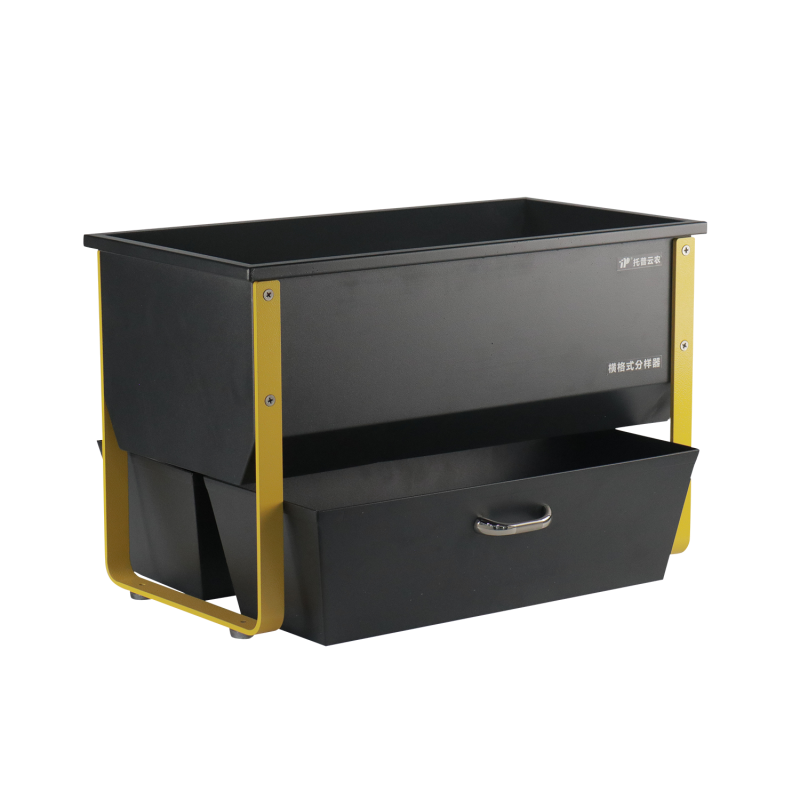
HGT Riffle Seed Divider
( Steel Plate)
Purity Analysis
In ISTA Purity Analysis, the core principle is to accurately separate and determine the proportion of:
Seed Cleaner — Pre-treatment equipment used to improve efficiency by removing large impurities such as straw and stones.
Electric Seed Sieve Shaker — Separates seeds and impurities according to particle size.
Air-Blower Purity Separator — Uses aerodynamic principles to separate filled seeds, shriveled seeds, light impurities, and husks.
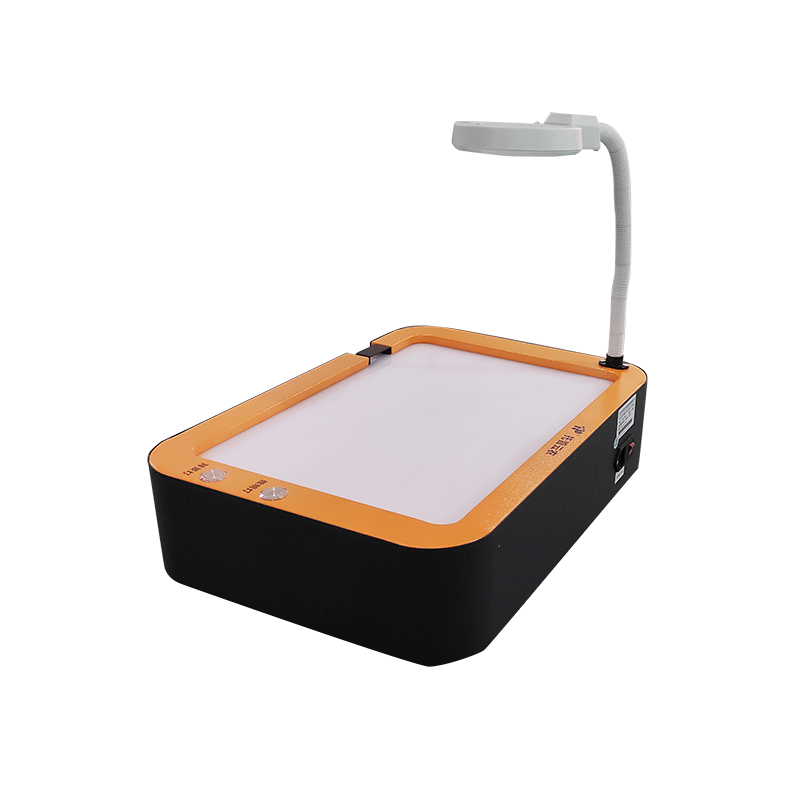
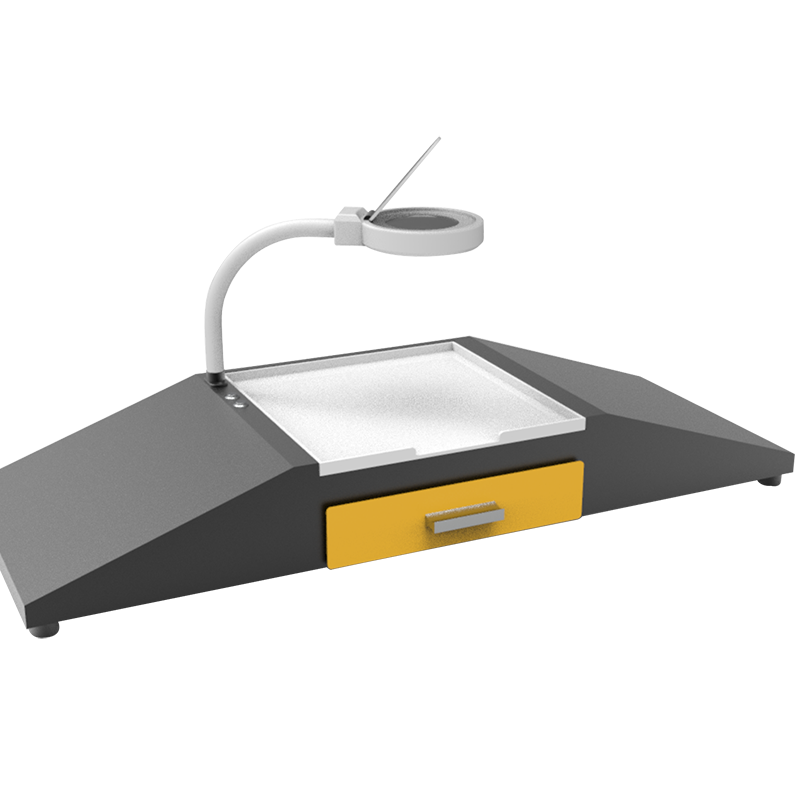
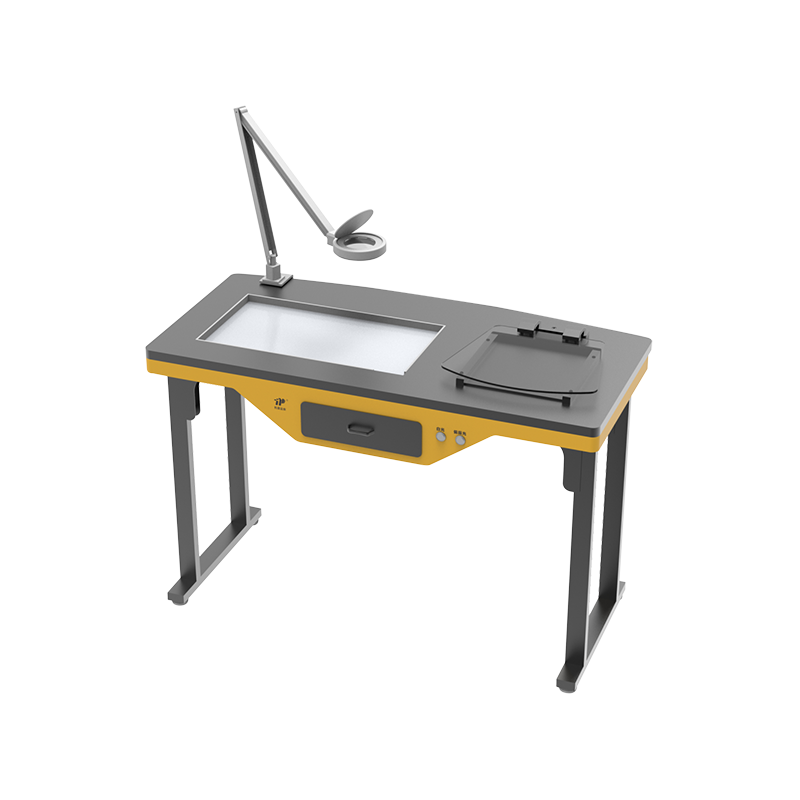
Purity Work Board — One of the most important devices in ISTA purity analysis, used for final manual determination.
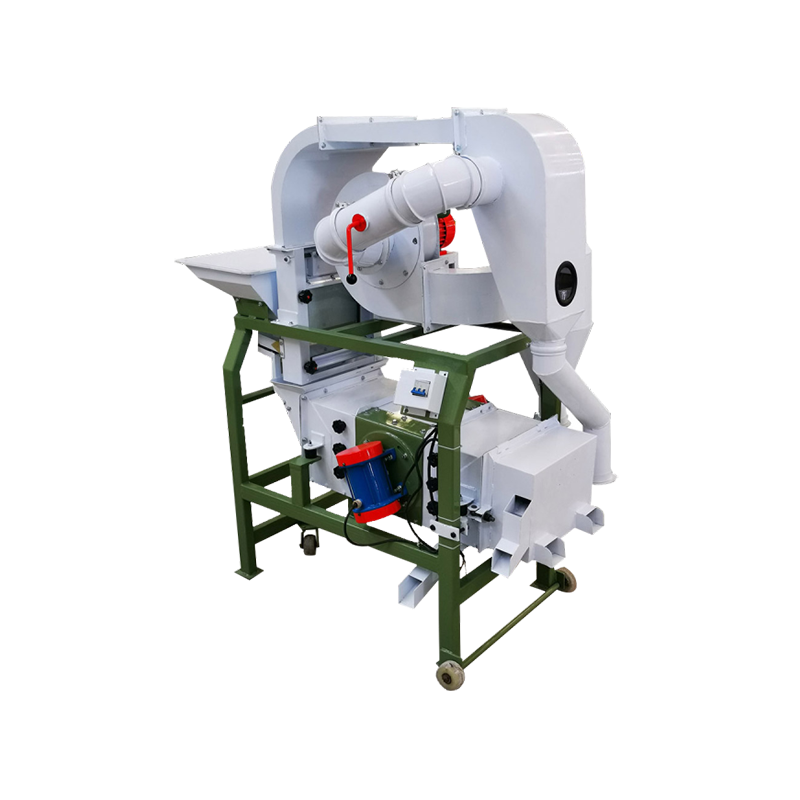
5S-200 Plot Seed Cleaner
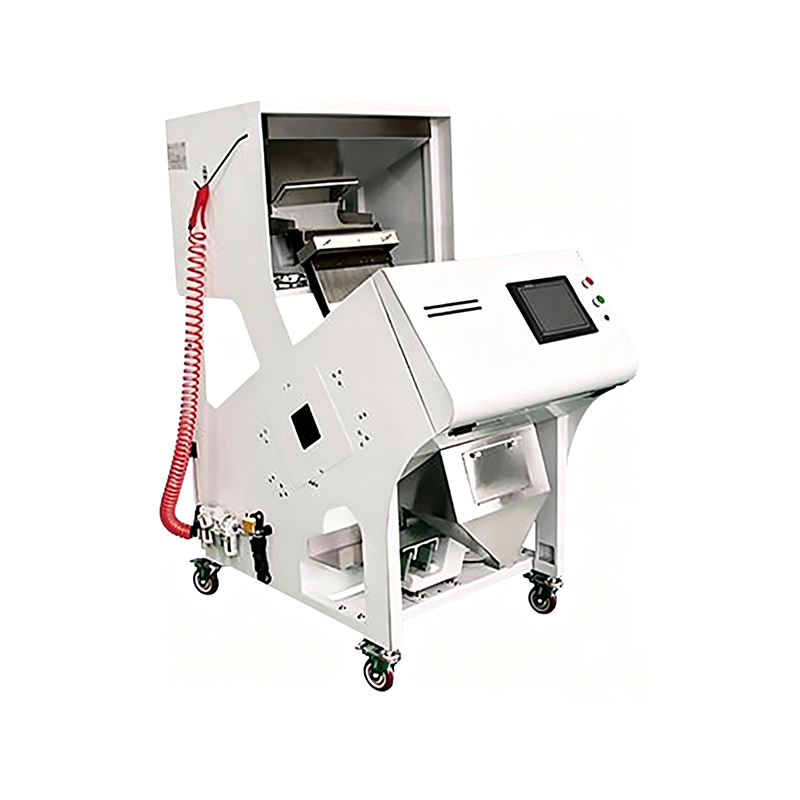
TPSX-G250 Seed Color Sorter
DSX Electric Sieve Shaker
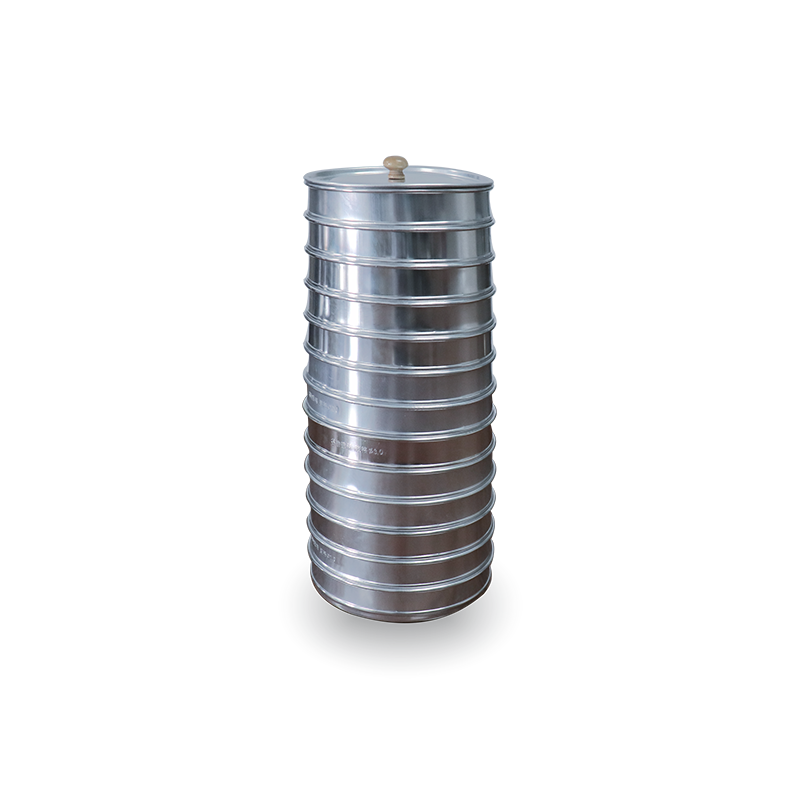
JJSG Grain Sieves
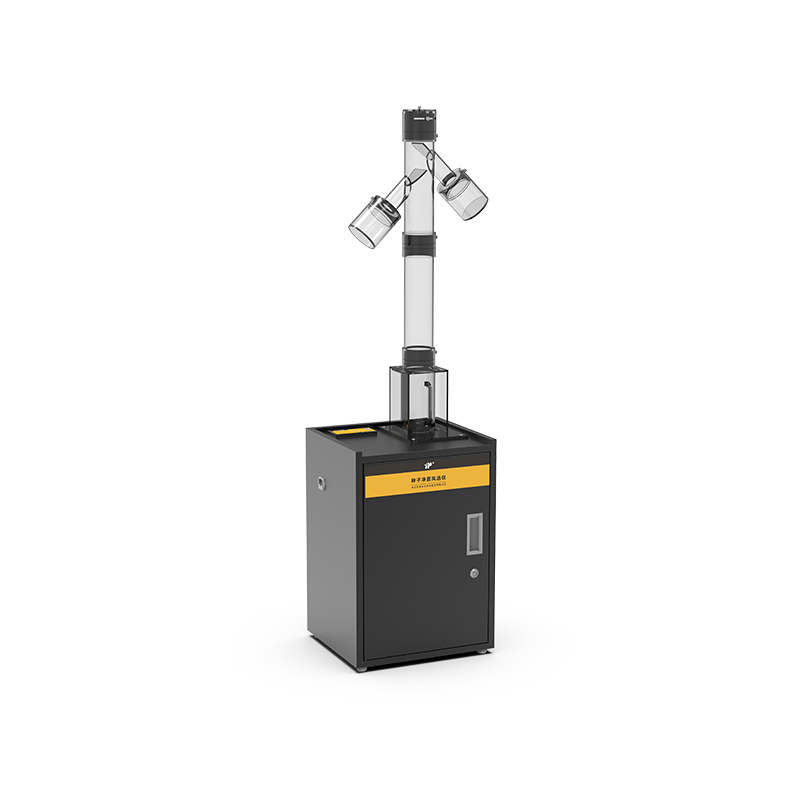
CFY-2 Seed Blower
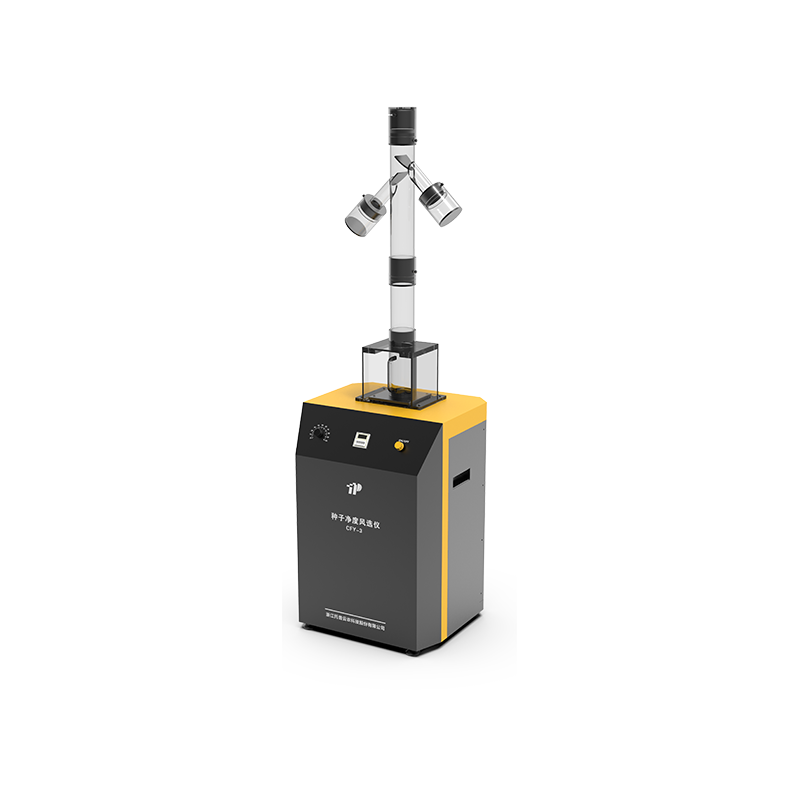
CFY-3 Seed Blower
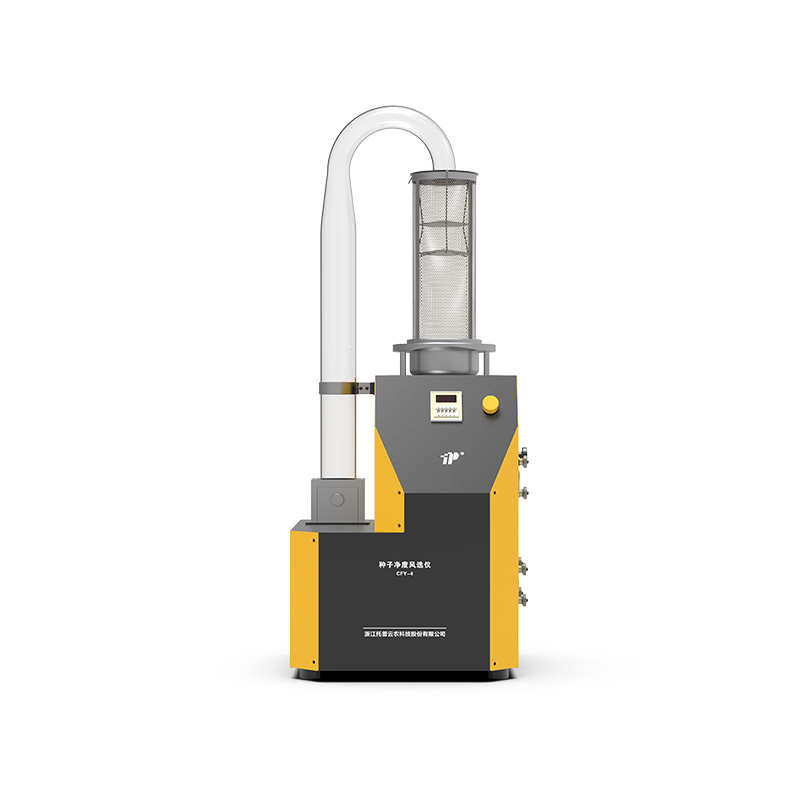
CFY-4 Seed Blower
TJD-800 Seed Purity Analysis Workstation
TJD-900 Seed Purity Analysis Workstation
TJD-1300A Seed Purity Analysis Workstation
Thousand Seed Weight Testing
Used to evaluate seed size, fullness, seeding rate calculation, and varietal characteristics. It represents the average weight of 1,000 seeds, usually expressed in grams (g).
Main Equipment
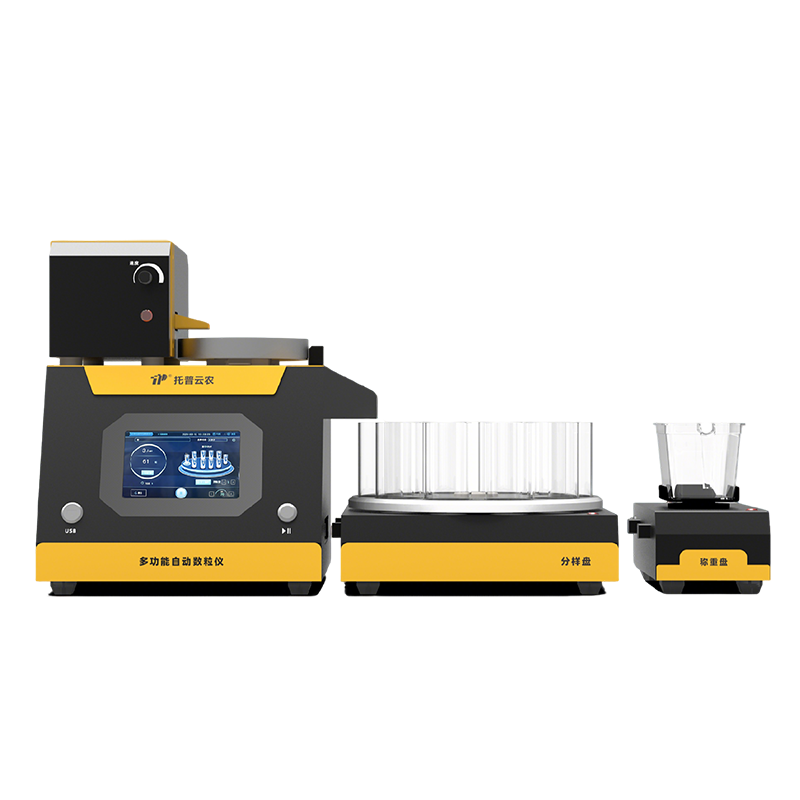
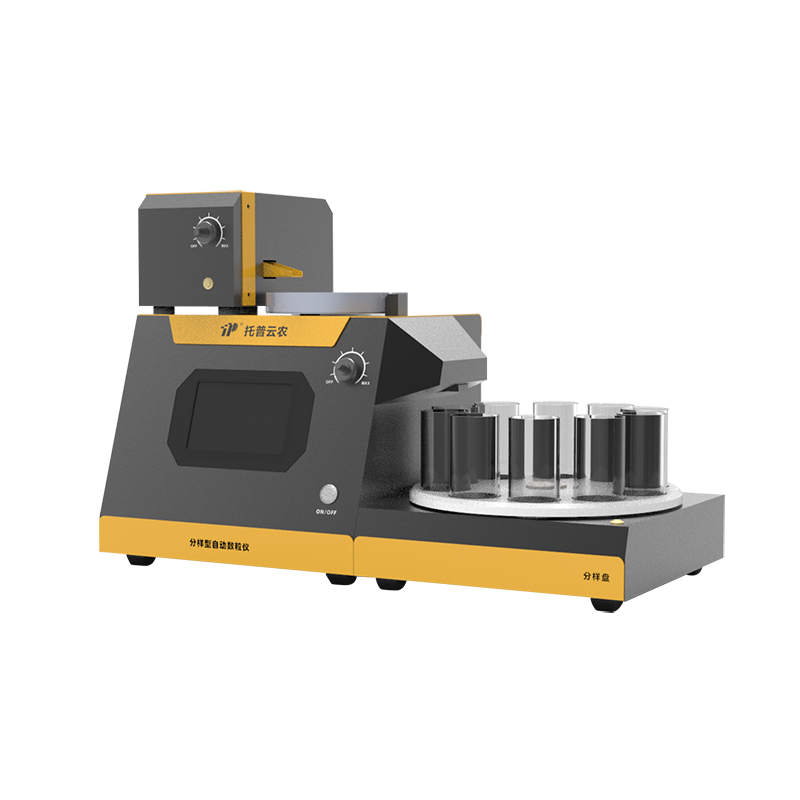
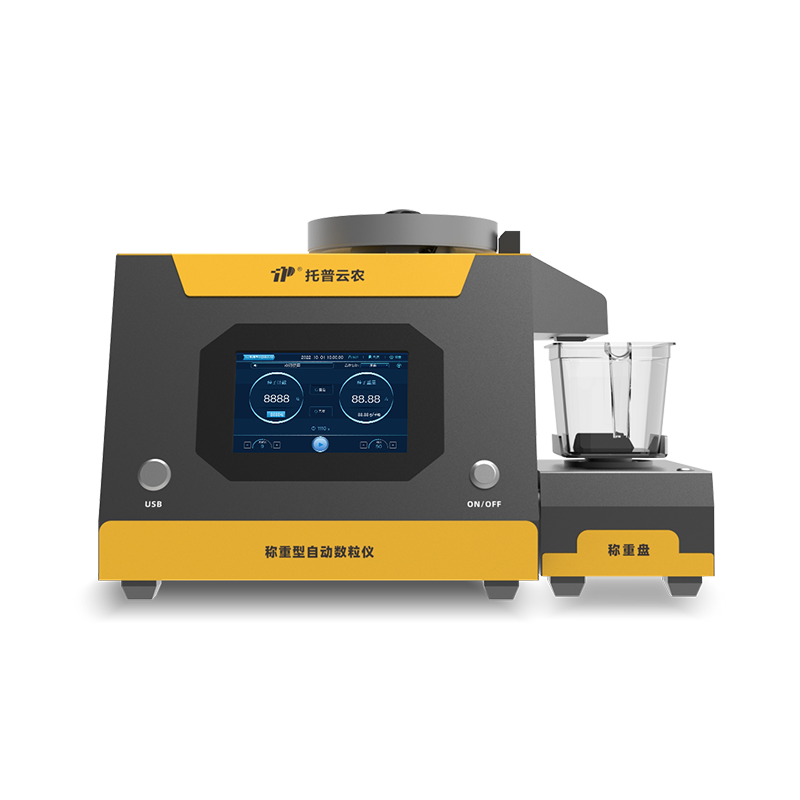
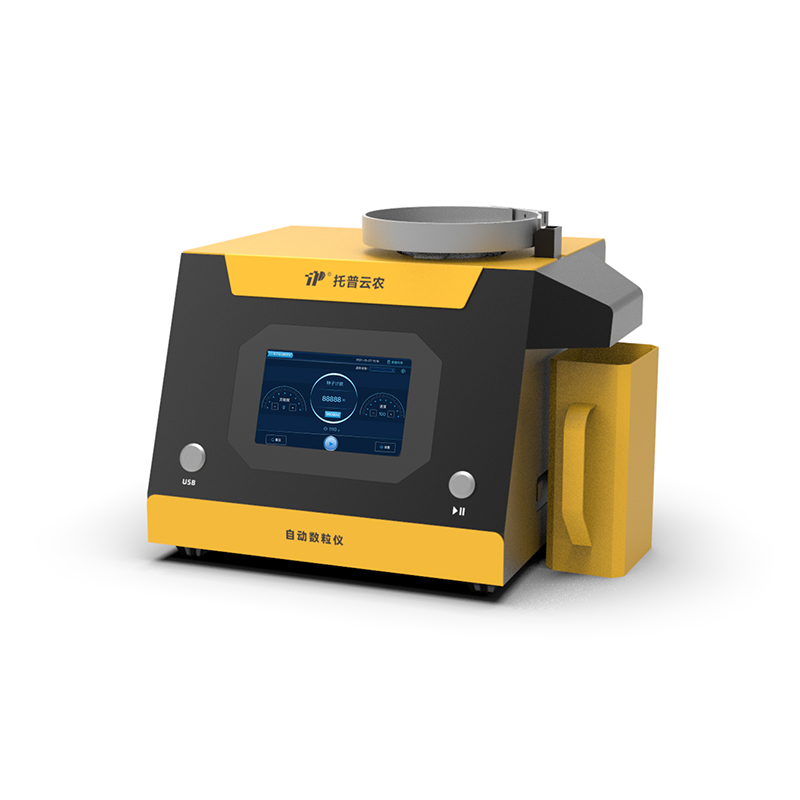
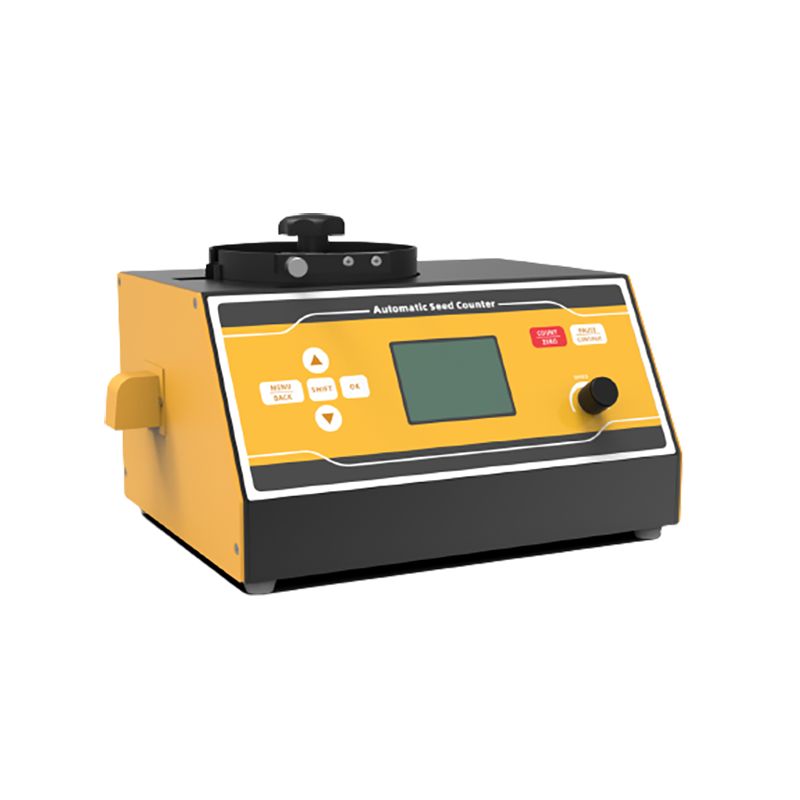
Automatic Seed Counter — Automatically counts seeds to improve batch testing efficiency. Some models include weighing functions and can automatically calculate thousand seed weight.
SLY-F Plus AI Seed Counter
SLY-F Automatic Sampling Seed Counter
SLY-E Automatic Seed Counting and Weighing Machine
SLY-D Automatic Seed Counter
SLY-C Plus Automatic Seed Counter
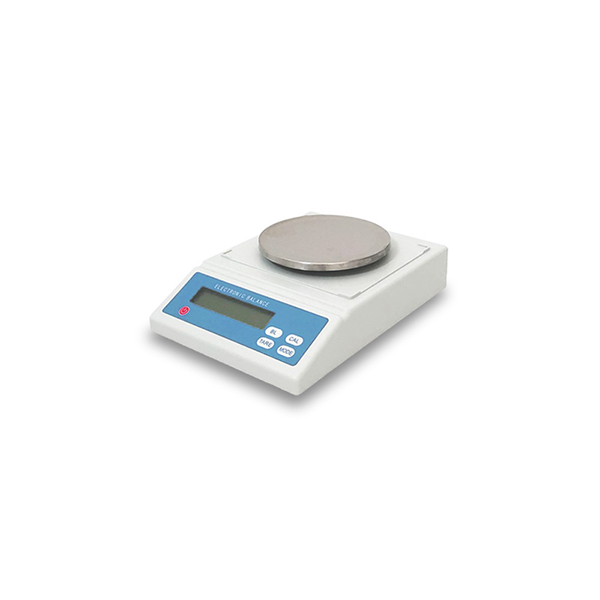
T K Series Electronic Balance
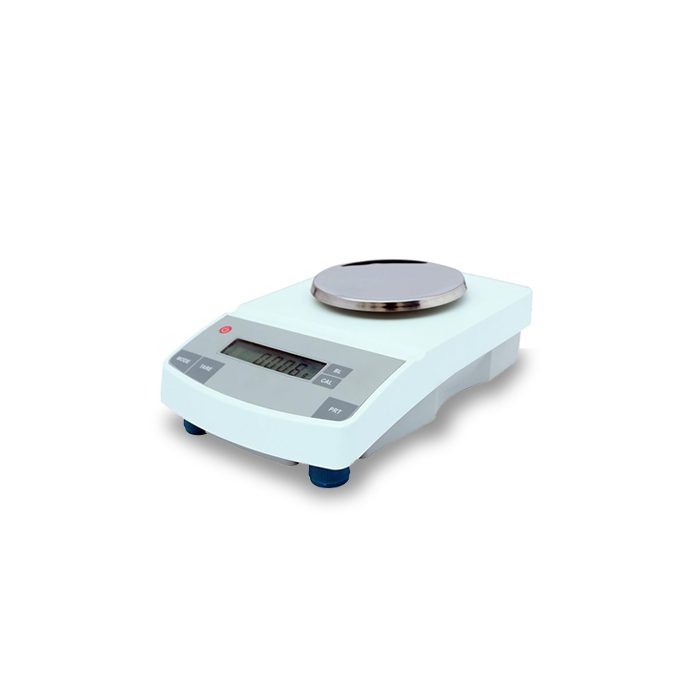
T K Series Electronic Analytical Balance
Moisture Testing
Seed moisture content directly affects storage safety and germination ability.
Main Methods
1.Oven Method — Standard Arbitration / Reference Method
2.Moisture Meter Method — Rapid Moisture Detection
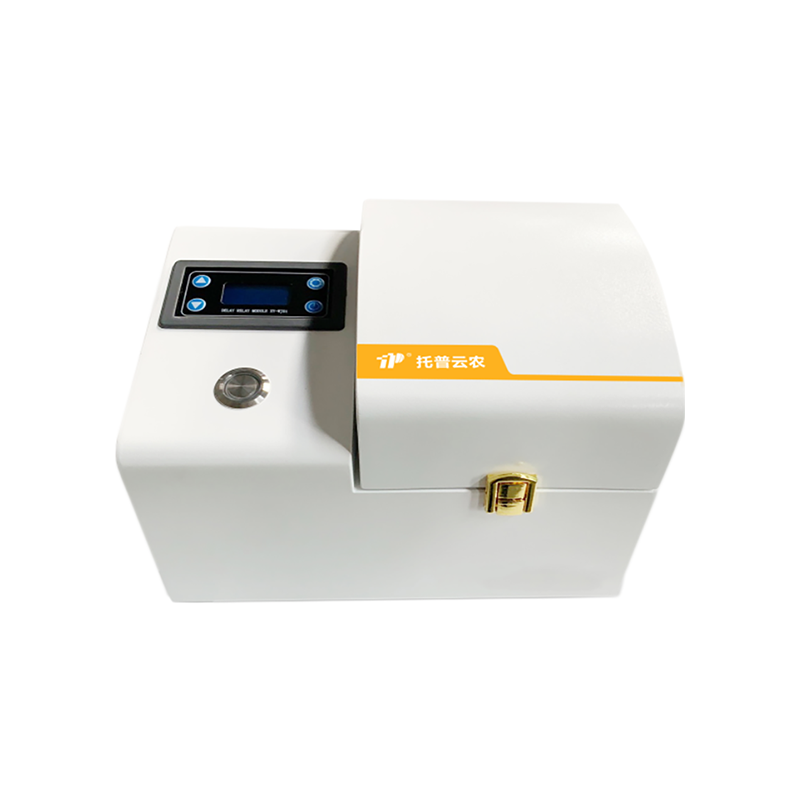
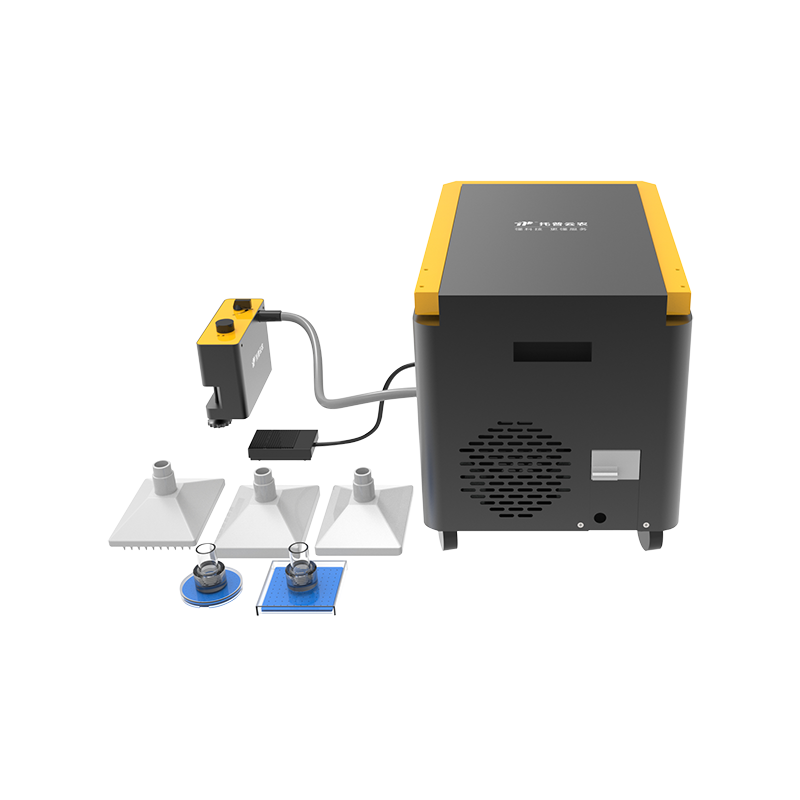
TPD-4L Seed Single Seed Grinder
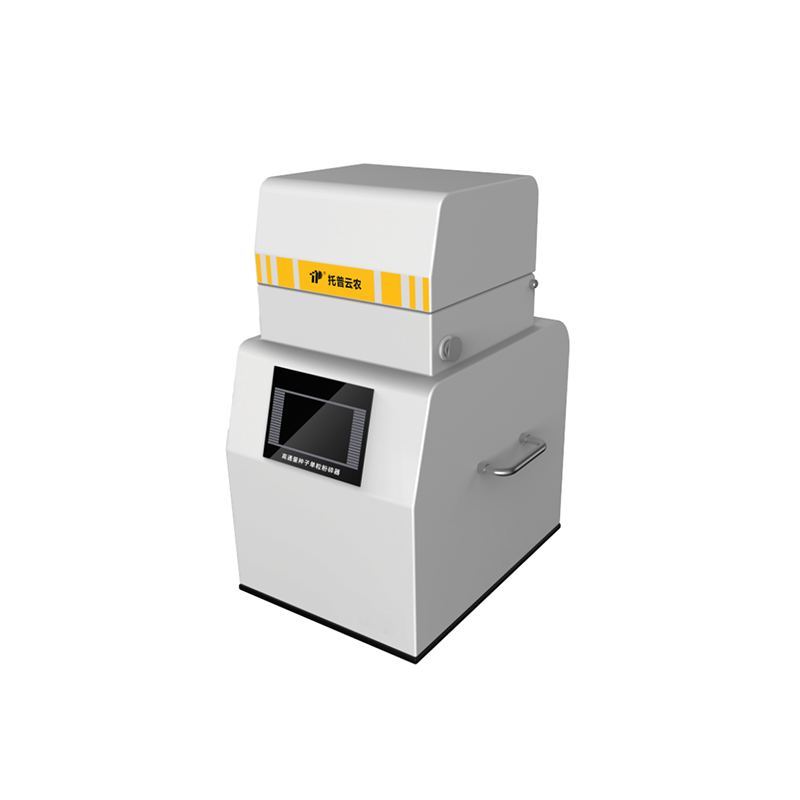
TPD-4G High-Throughput Single Seed Grinder
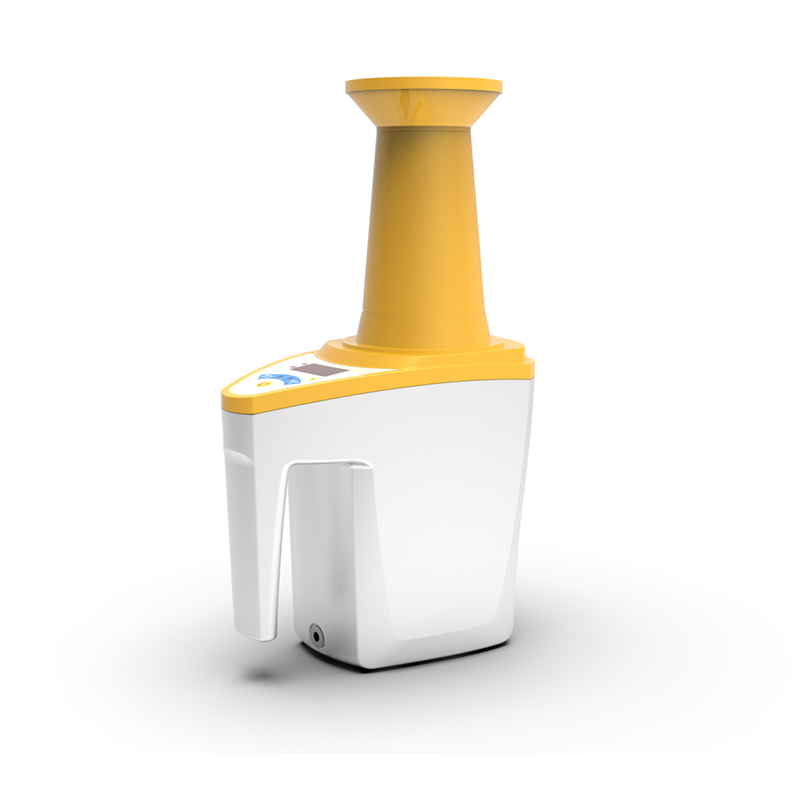
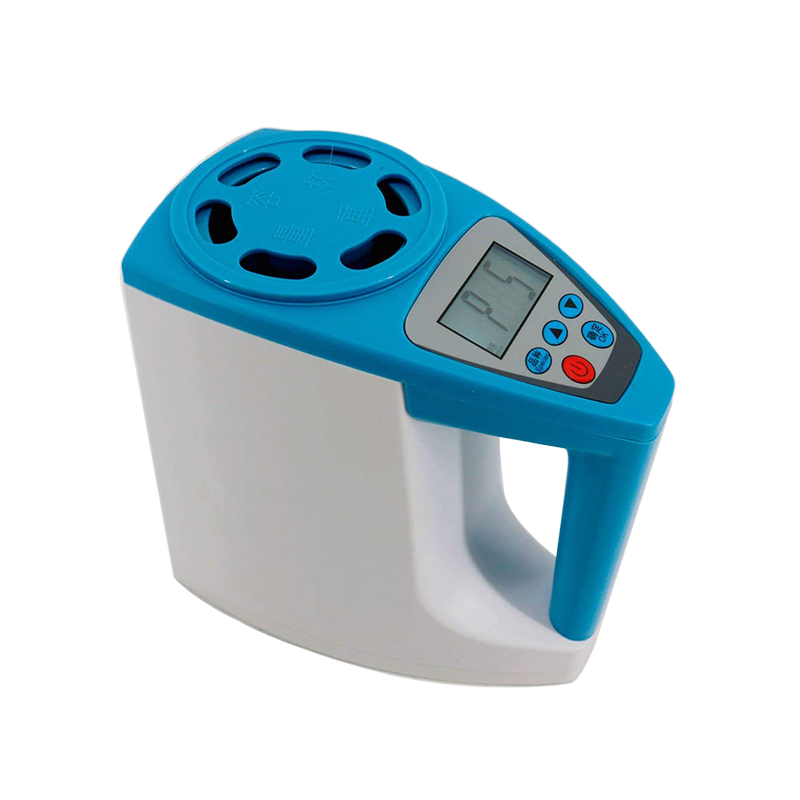
LDS-1H/1S Grain Moisture Meter
LDS-1G Grain Moisture Meter
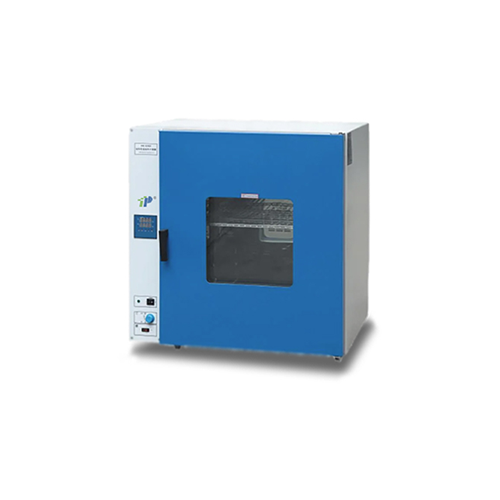
THG Series Hot Air Circulation Drying Oven
Traditional Germination Testing
Germination testing is one of the core testing items in seed laboratories.
Complete Workflow
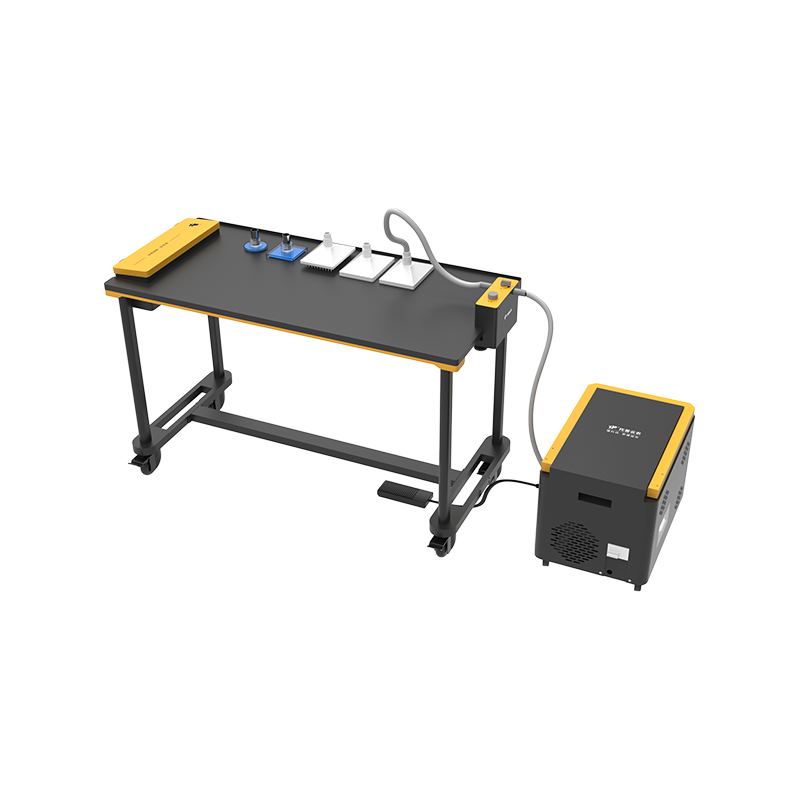
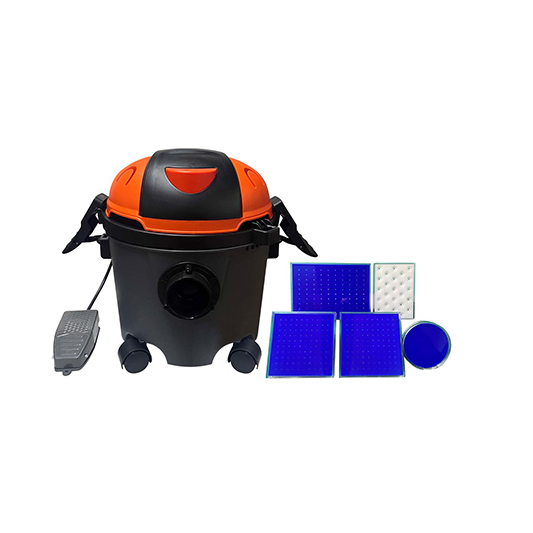
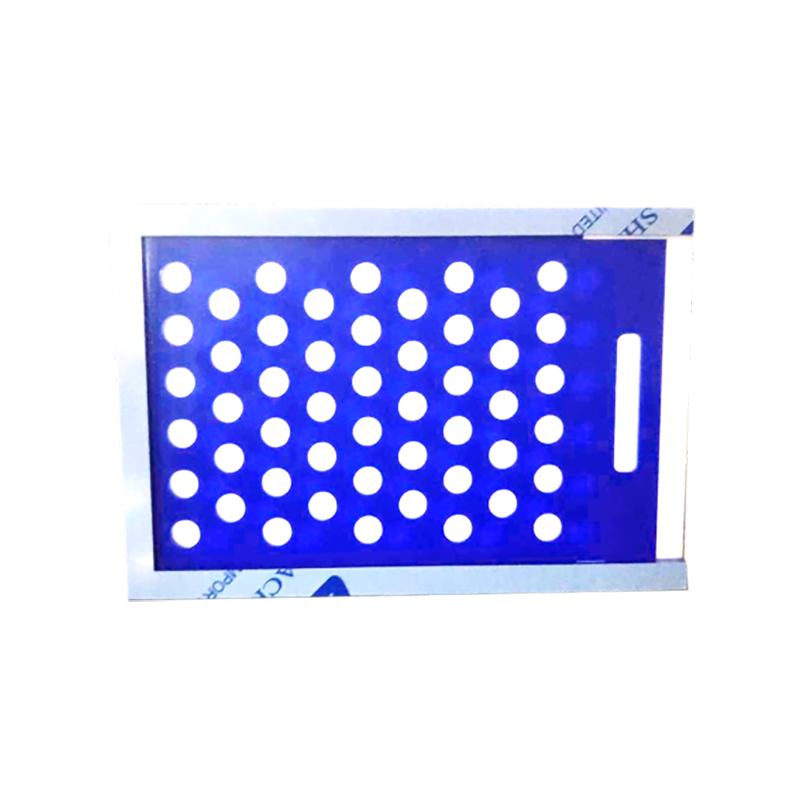
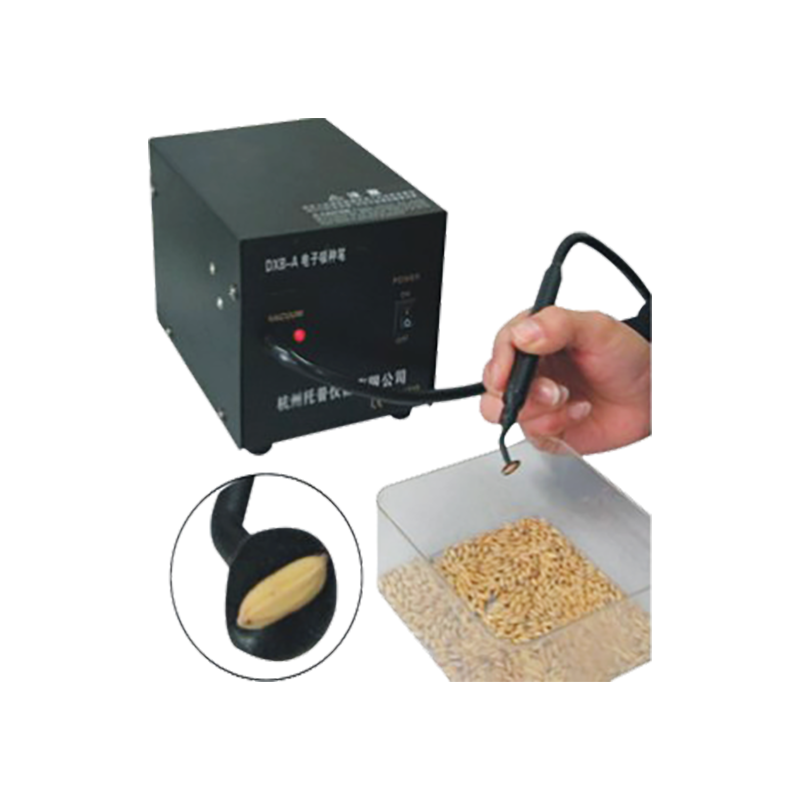
Using a Vacuum Seed Counter & Seeder, Germination Board, and Suction Pen for sowing and seed placement → Place seeds into germination boxes and germination paper for incubation → Observe and evaluate germination in a Climate Chamber (light, temperature, humidity controlled) or Illuminated Incubator (light and temperature controlled).
TP-SZC-50 Seed Germination Bed Seeder
TP-SZC-60 Seed Germination Bed Seeder
ZLC-2000 Seed Counter & Placing Apparatus
SZ-3 Large Seed Bed Board
DXB-A Electric suction pen
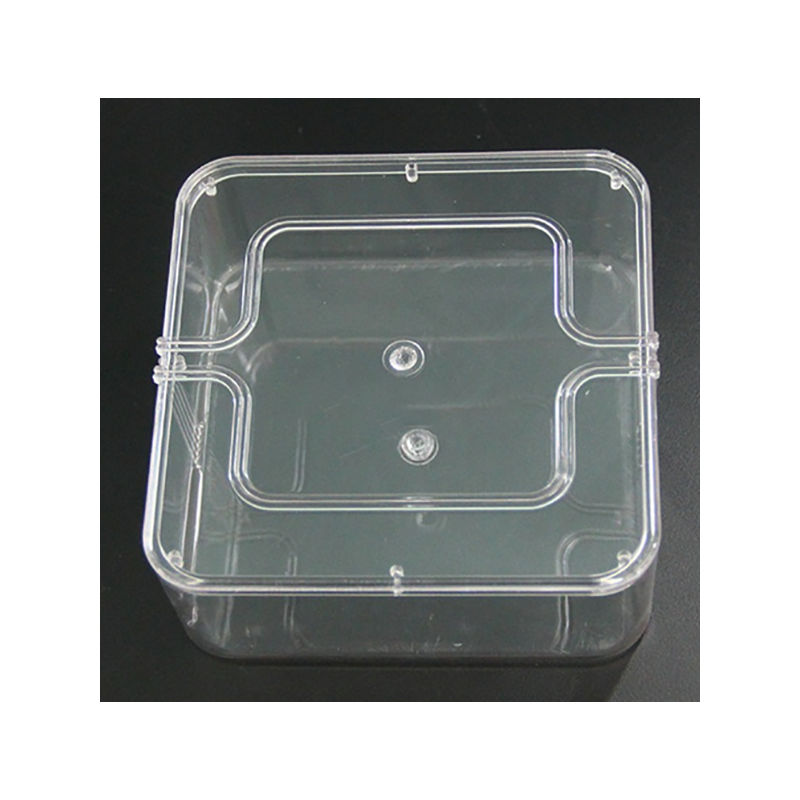
12*12 13*19cm Seed Germination Box
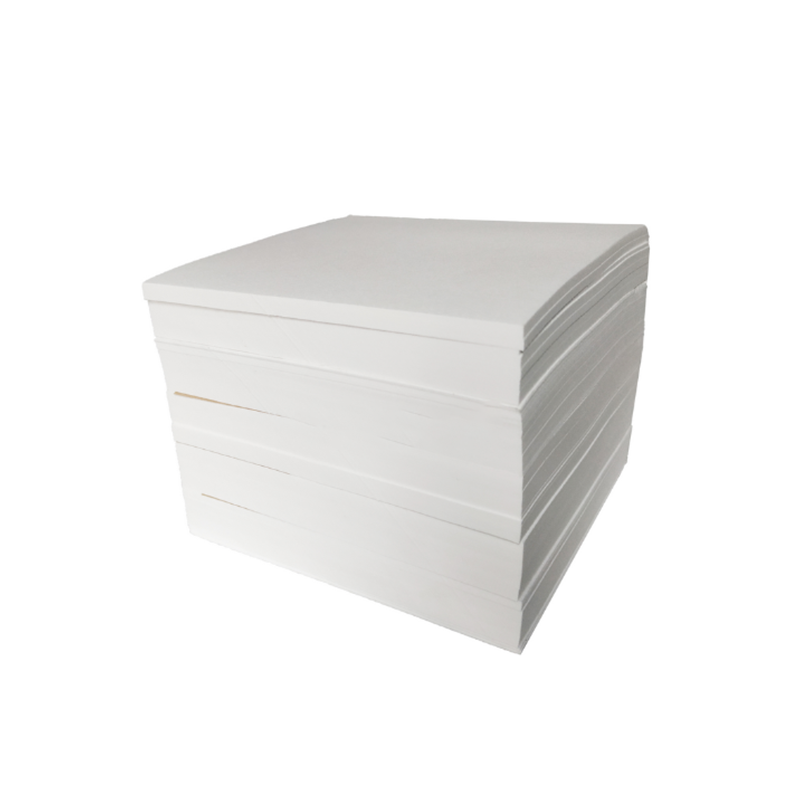
13*19 11.5*11.5 60*60cm Seed Germination Paper
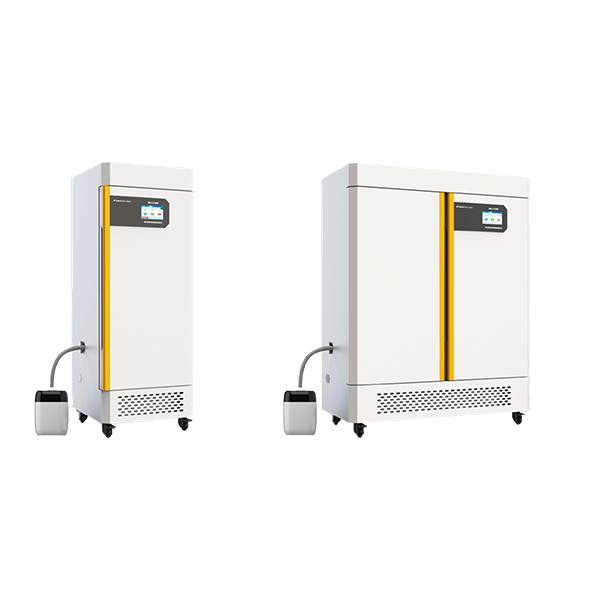
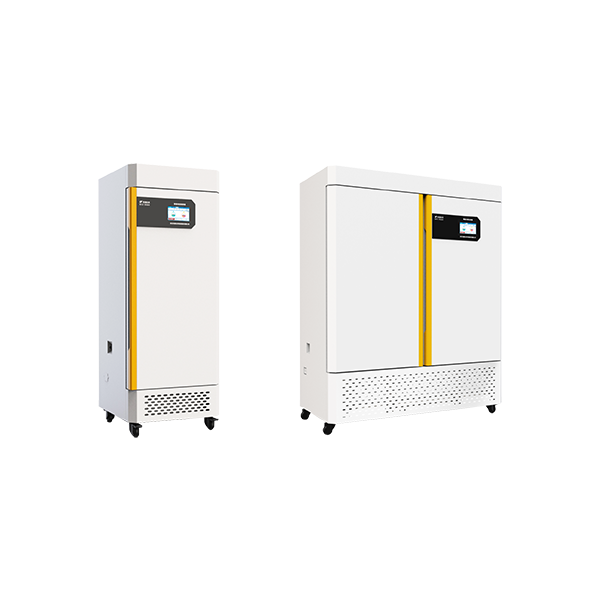
TP-R Intelligent Artificial Climate Chamber
RTOP-Y Basic Artificial Climate Chamber
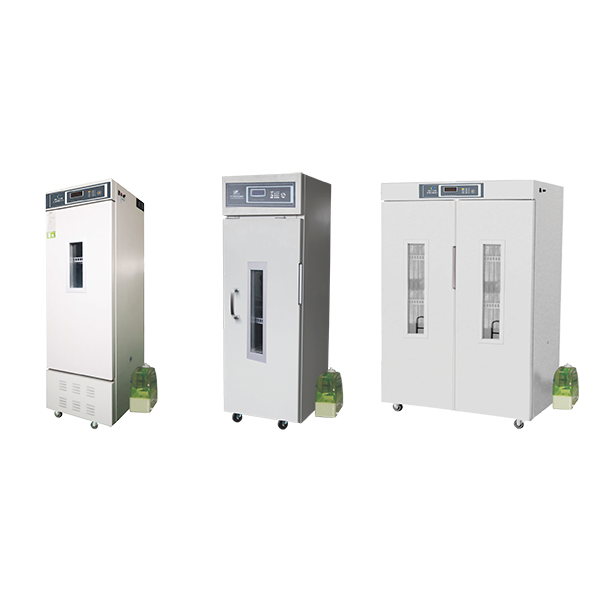
TP-G Intelligent Light Incubator
GTOP-Y Basic Intelligent Light Cultivation Box
Vigour Testing
Vigour testing is used to evaluate seed germination performance and field emergence potential under stress conditions.
Common Tests
Seed Vigor Test Table
Test
Purpose
Equipment
Typical Crops
Accelerated Aging Test
Storage life and anti-aging ability
Seed Aging Chamber
Soybean, Corn
Cold Test
Low-temperature emergence ability and early sowing adaptability
Low-temperature Plant Incubator
Corn
Conductivity Test
Membrane integrity and damage level
Conductivity Meter
Pea, Soybean
TP-RC-S Low Temperature Plant Incubator
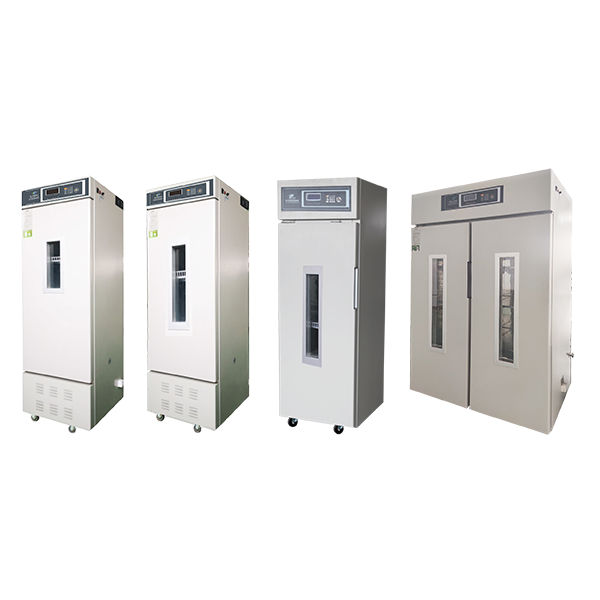
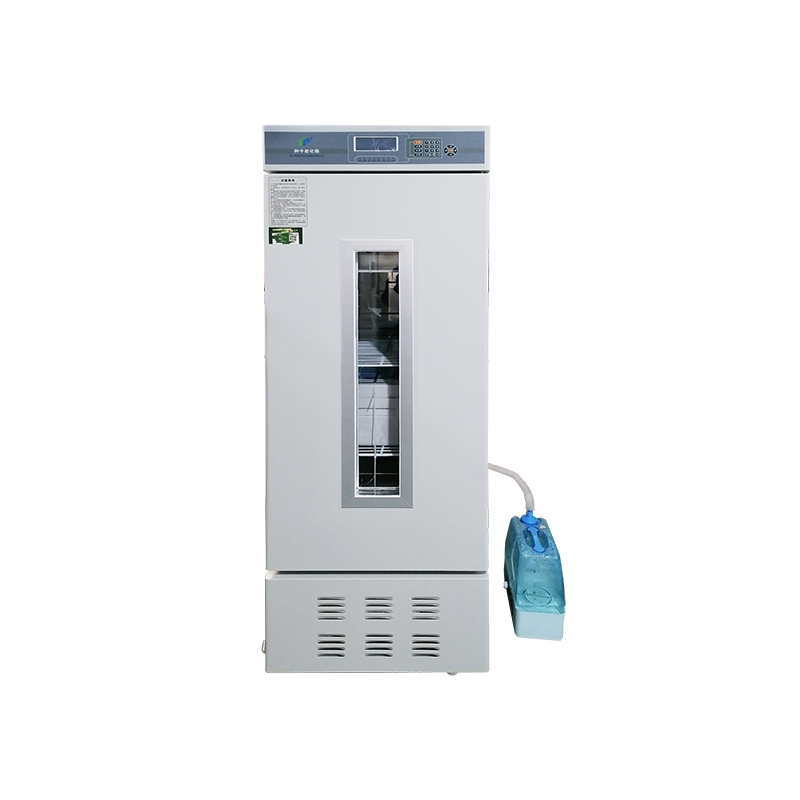
LH-150S/LH-250S Series Seed Aging Cabinet
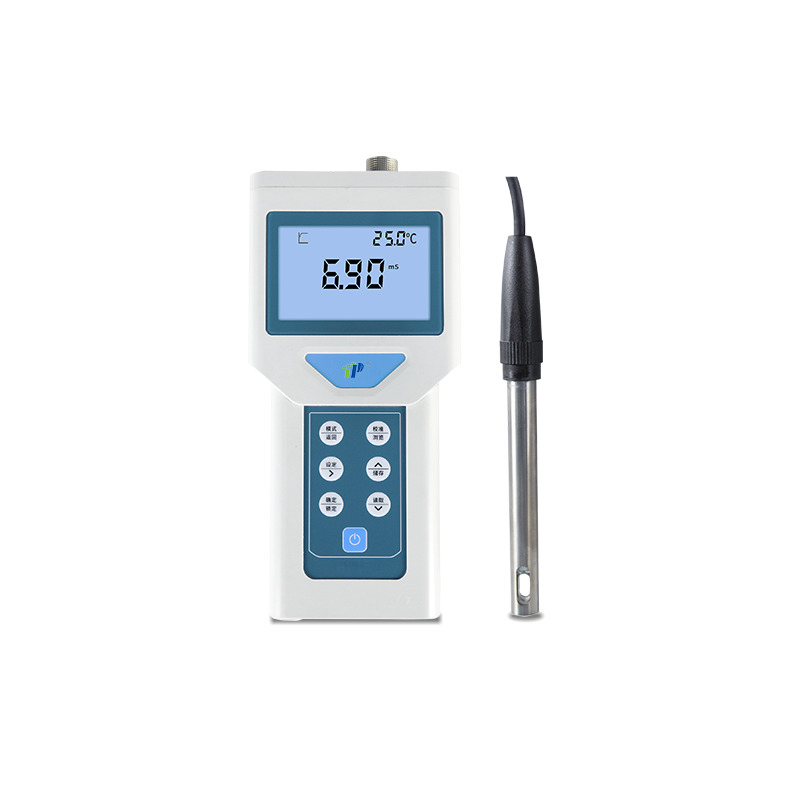
PT-N500 Convenient Conductivity Meter
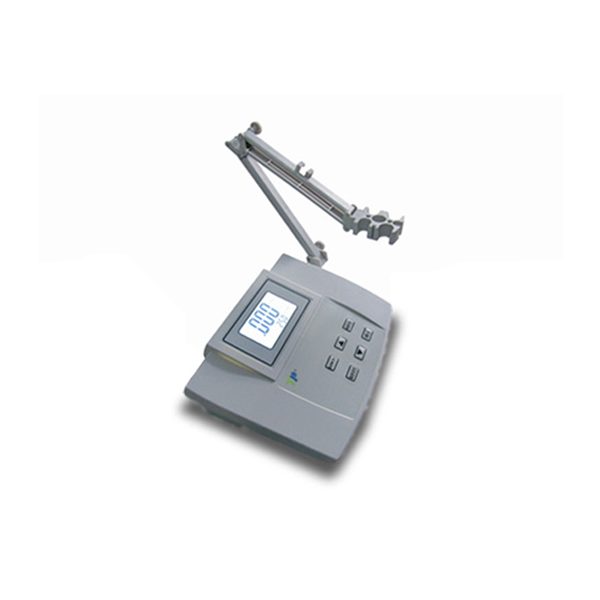
PDS-307 Desktop Conductivity Meter
Seed Health Testing
Seed health testing is used to detect pathogens such as fungi, bacteria, and viruses.
Common Methods
Culture Method — Seeds are incubated under suitable conditions to allow pathogens to grow for observation and identification.
Equipment: Biochemical Incubator
Microscopic Observation — Direct observation of pathogen morphology on seed surfaces, inside seeds, or after culturing.
Equipment: Microscope
PCR Molecular Detection — Extraction of pathogen DNA/RNA followed by amplification using specific primers.
Equipment: qPCR System, Gel Imaging System
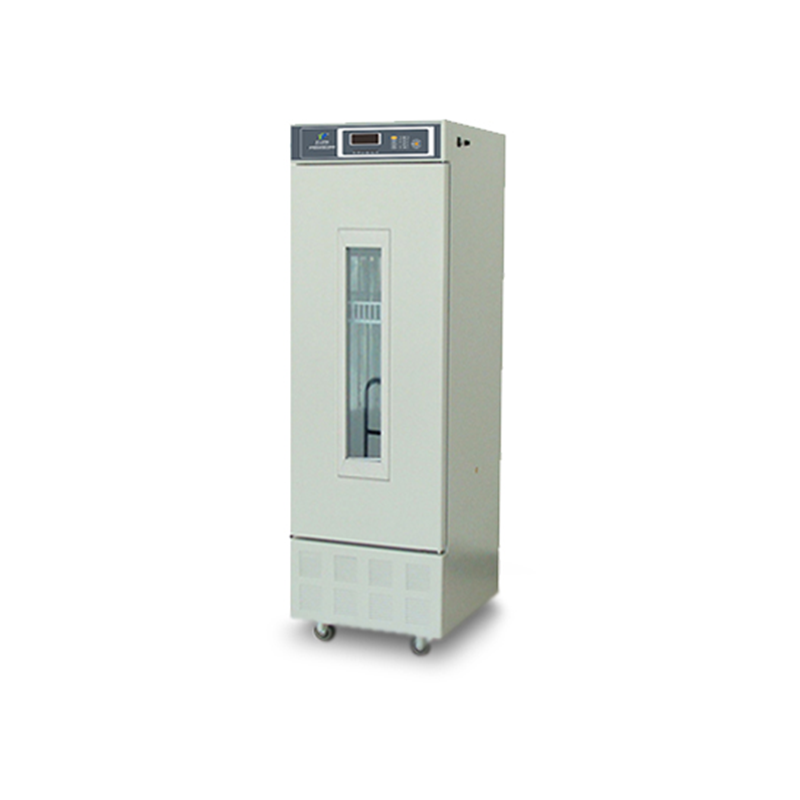
TPX Series Biochemical incubator
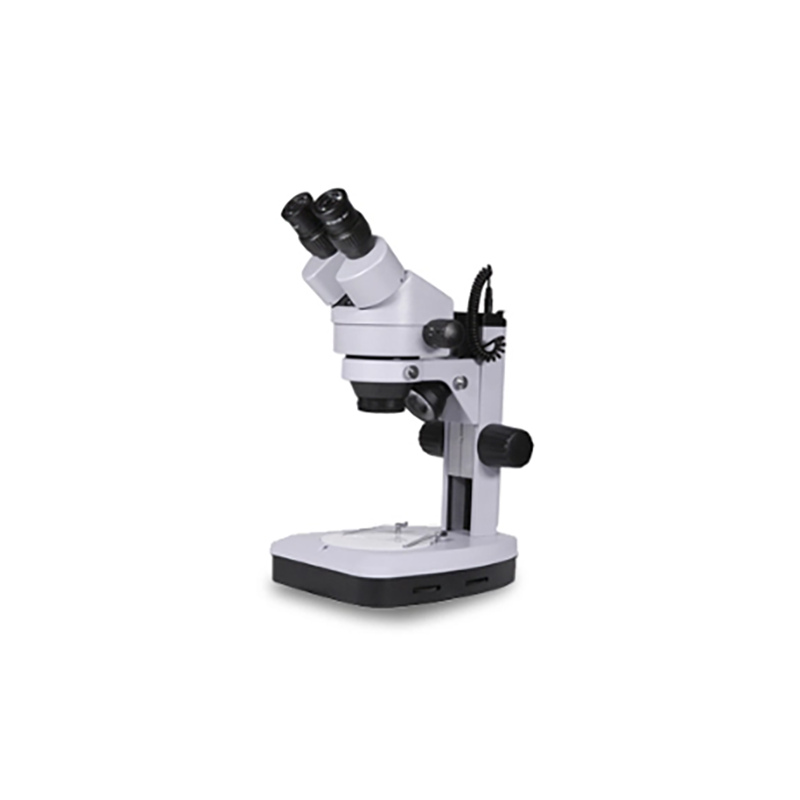
TL-165 Series Zoom stereo microscope
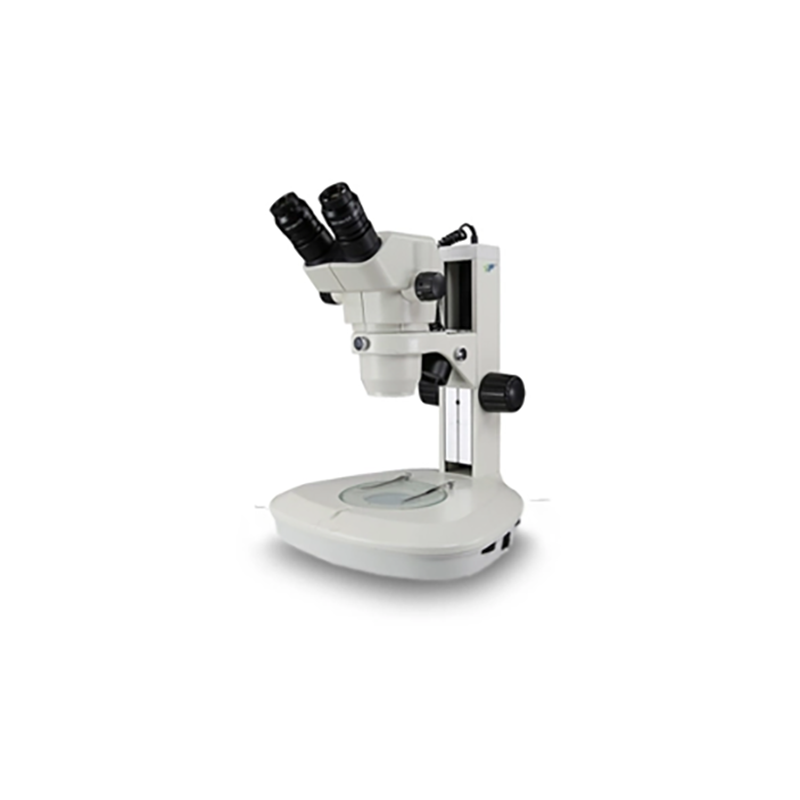
TMZ180 Series Zoom stereo microscope
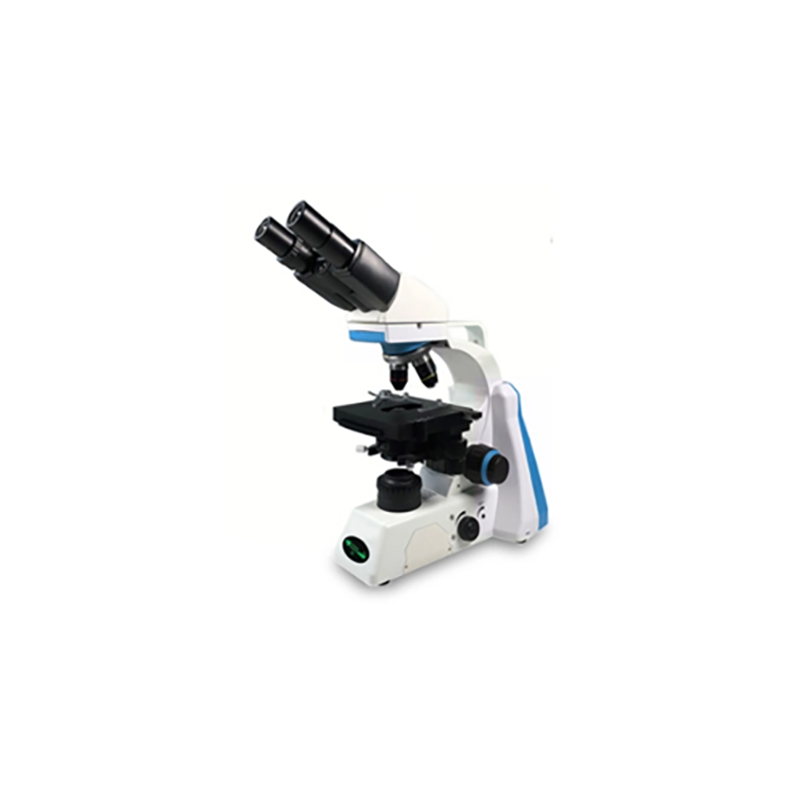
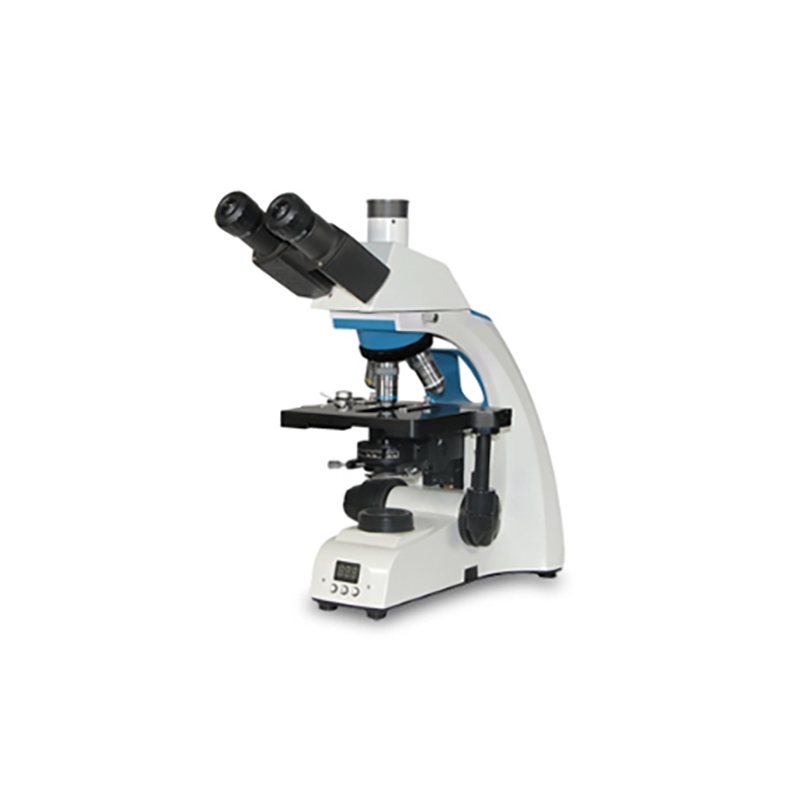
TMC100 Series Basic biological microscope
TMC300W Series Upgraded stereo microscope
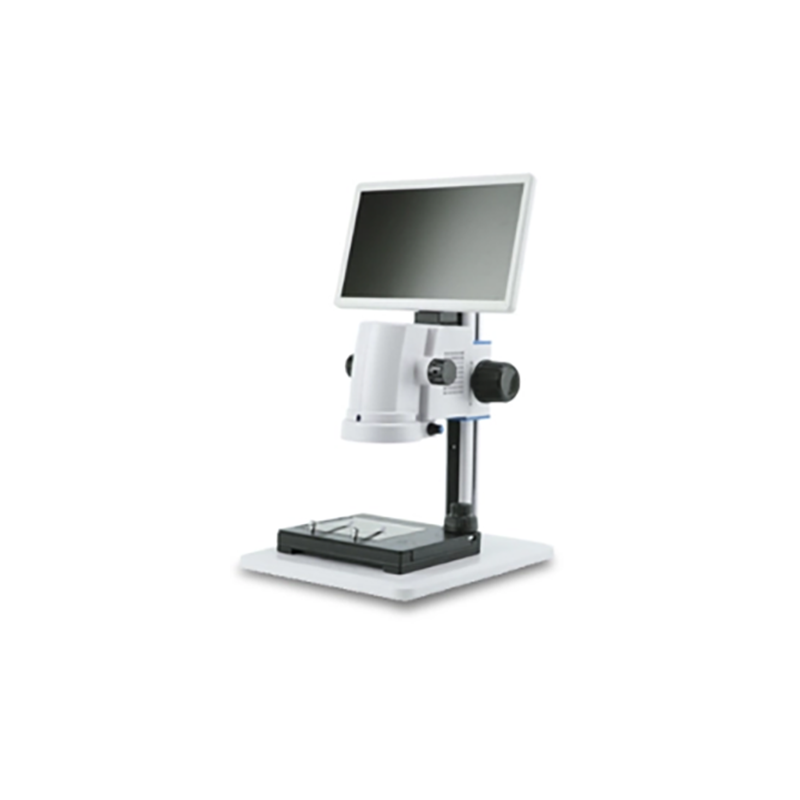
XTL-165-LCD Digital zoom stereo microscope
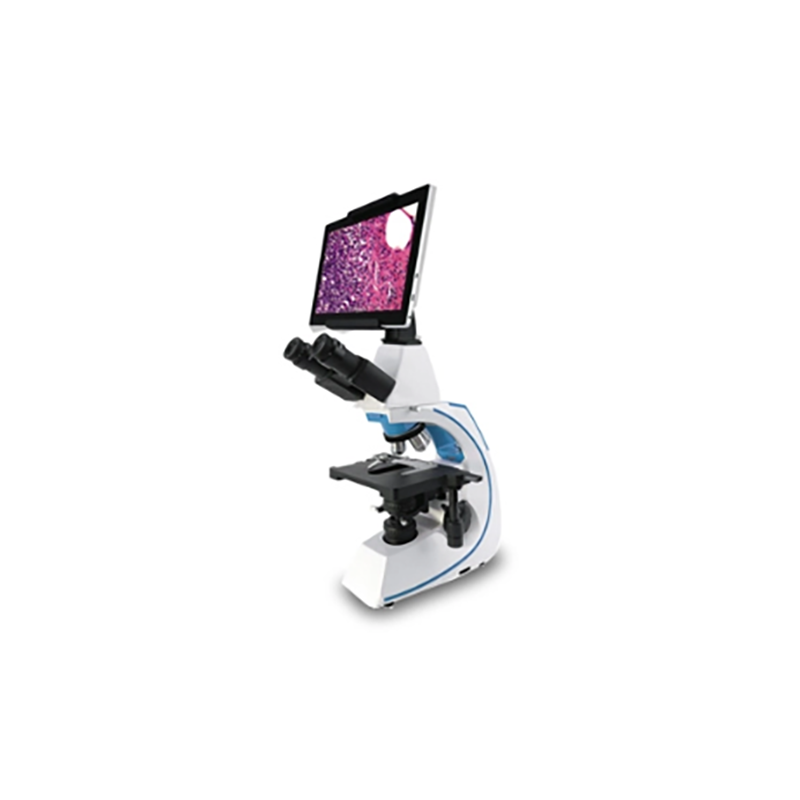
TMC500 Series Digital biological microscope
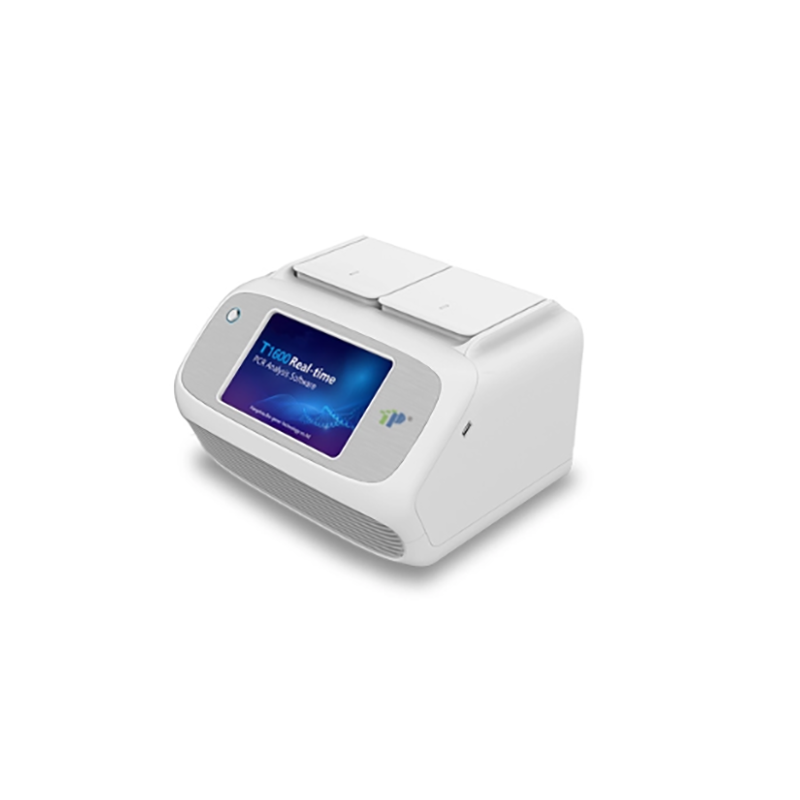
T1600-Series Real-time quantitative PCR
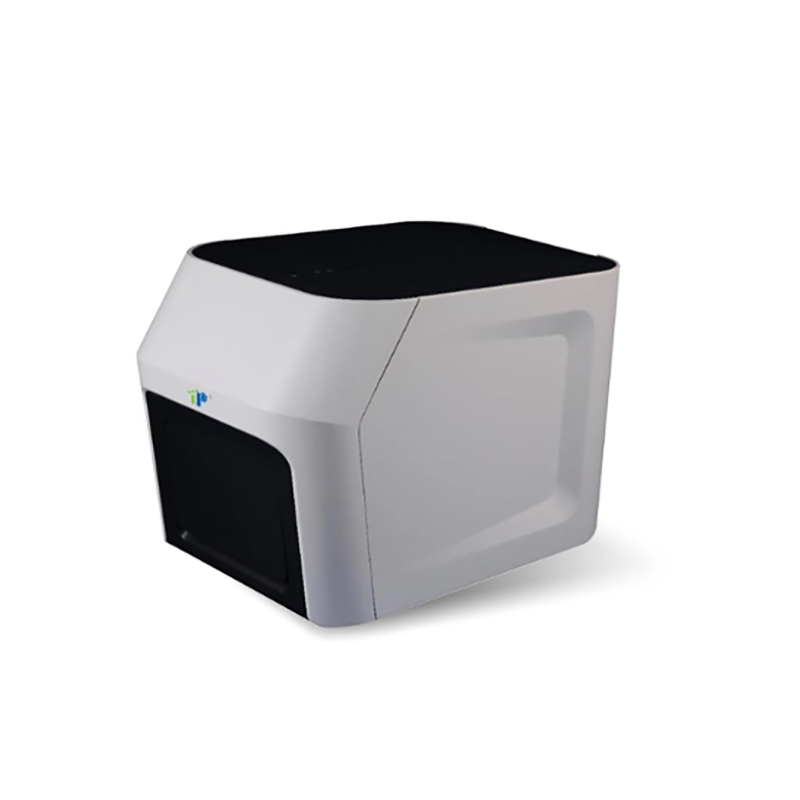
TP96C4 / TP96C6 Real-time quantitative PCR
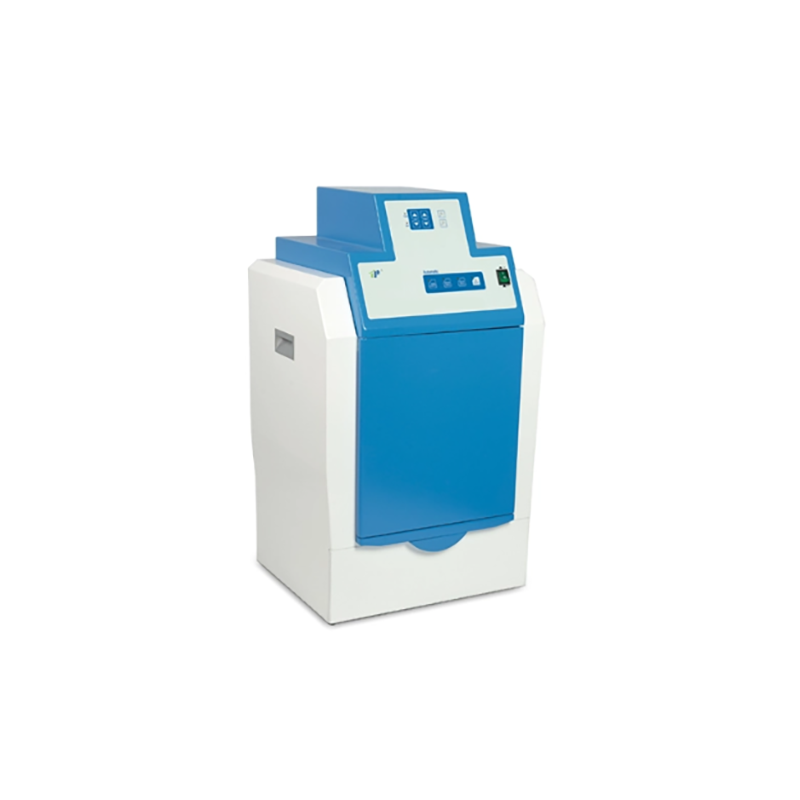
TP04S Series Gel imaging system
GMO Testing
GMO testing has become an important testing item in international trade.
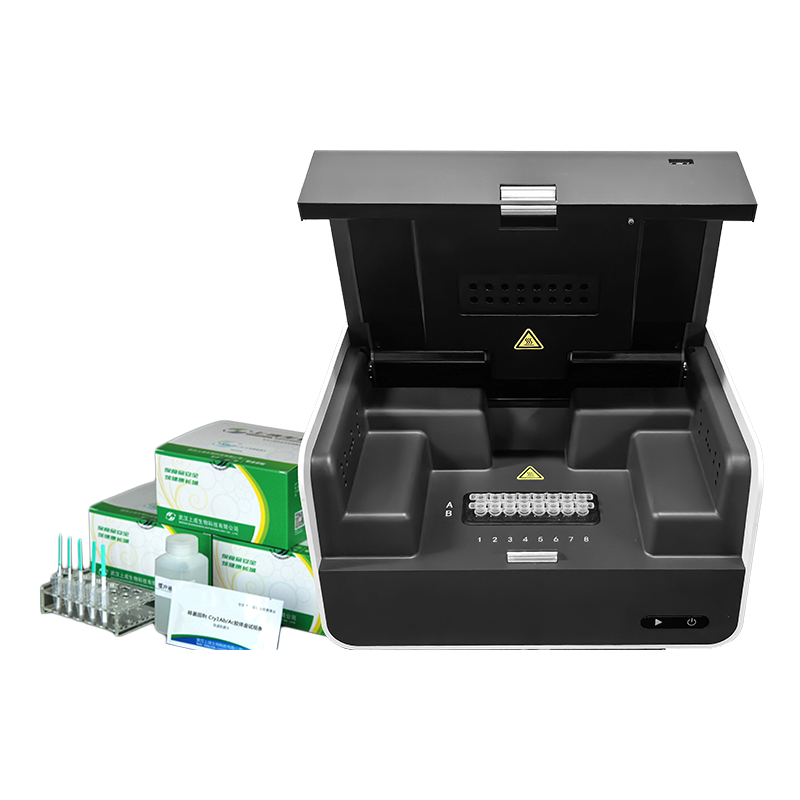
1. GMO Rapid Detector
Function
Used for rapid reading of GMO test strips or on-site rapid screening.
Common Targets
Corn, Soybean, Cotton, Rapeseed
Applications
Port quarantine, grain collection stations, incoming material screening in seed companies.
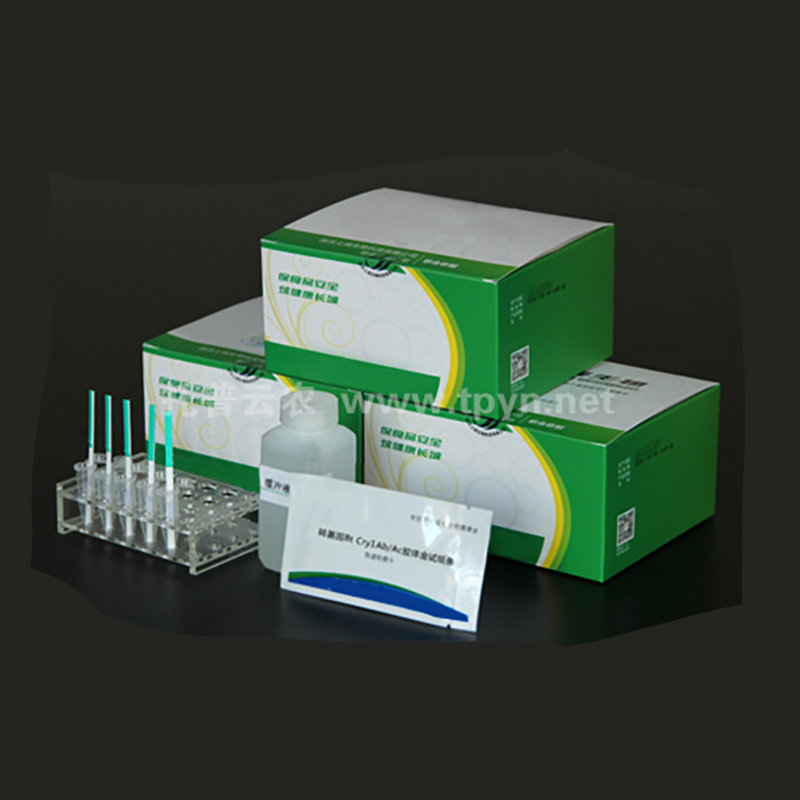
2. GMO Lateral Flow Test Strip
Principle
Immunochromatographic detection of GMO-expressed proteins.
Examples
Cry1Ab (Insect resistance)
CP4 EPSPS (Glyphosate tolerance)
Advantages
Fast (5–10 minutes)
No PCR equipment required
Suitable for field applications
3. Herbicide Tolerance GMO Test Strip
Detection Target
Commonly used for detecting glyphosate-tolerance protein expression, such as Roundup Ready series.
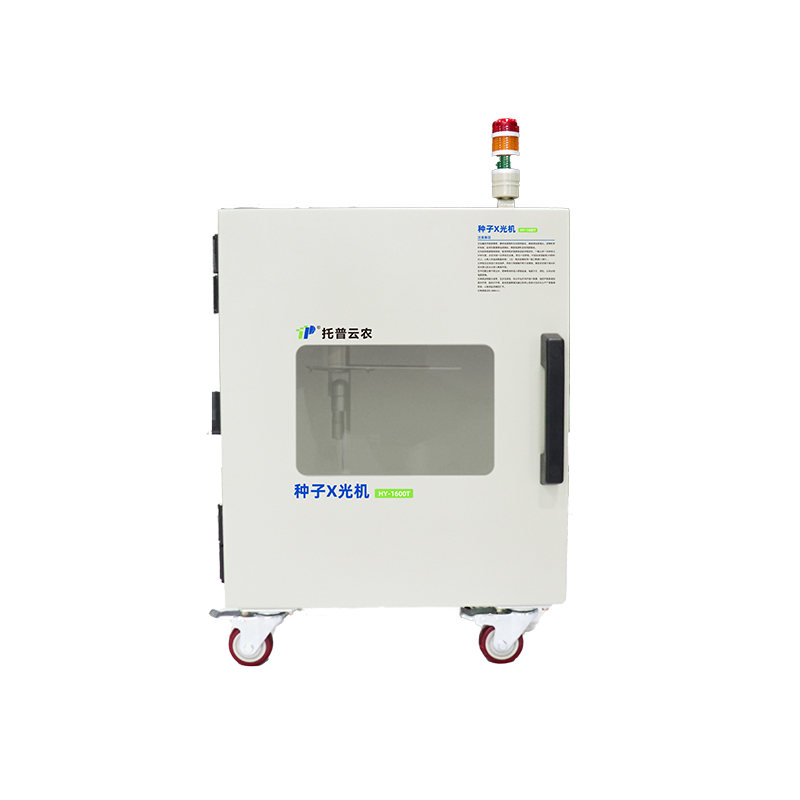
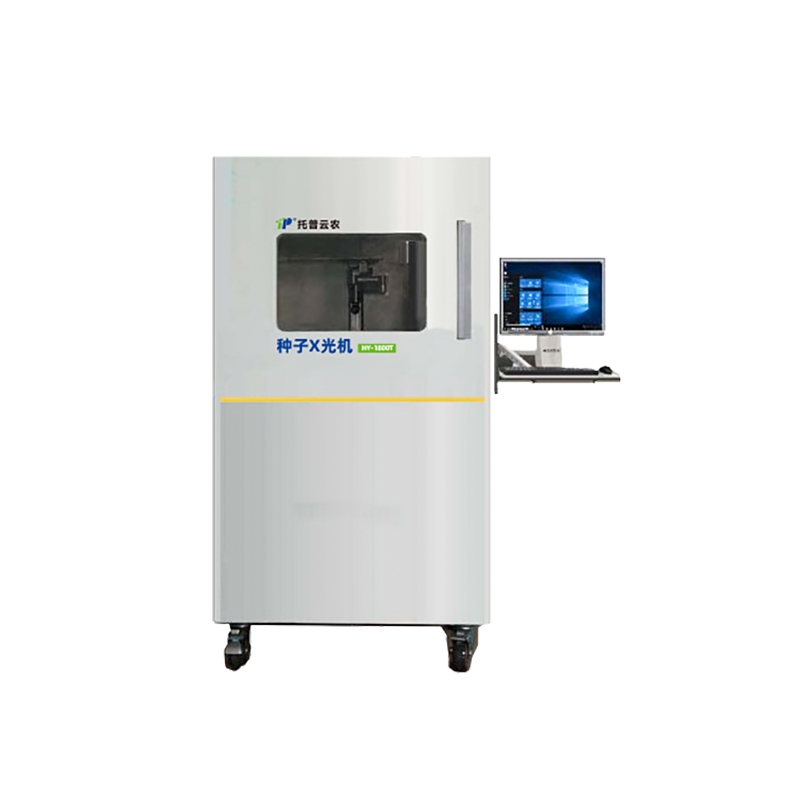
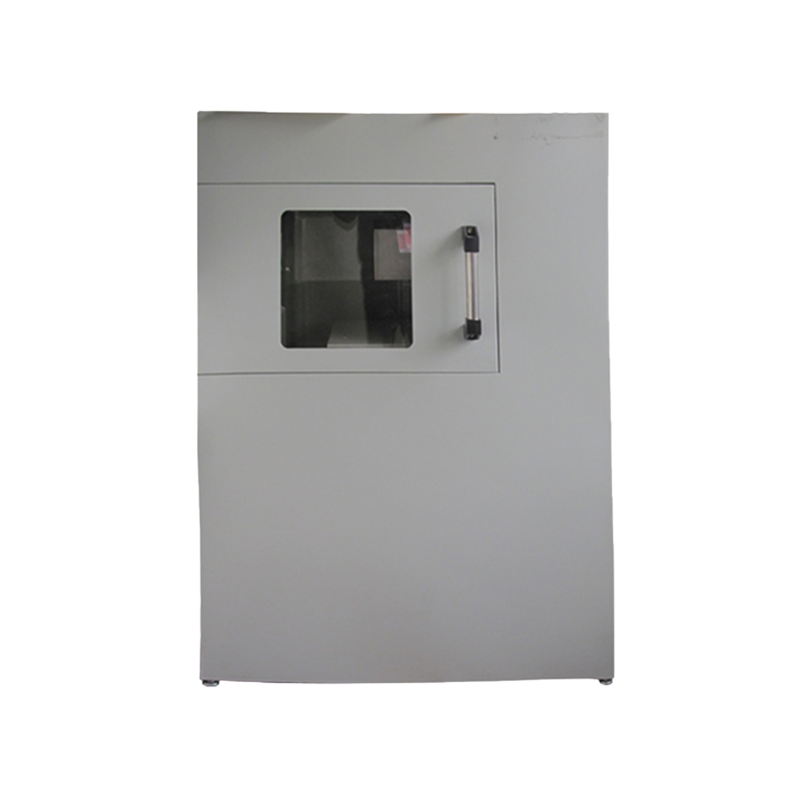
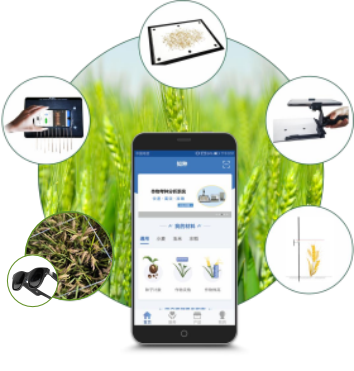
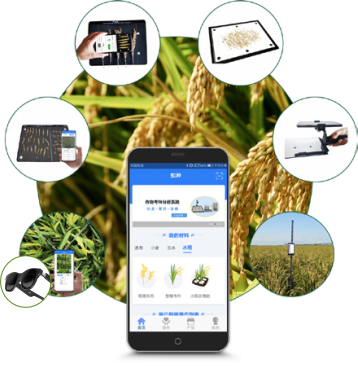
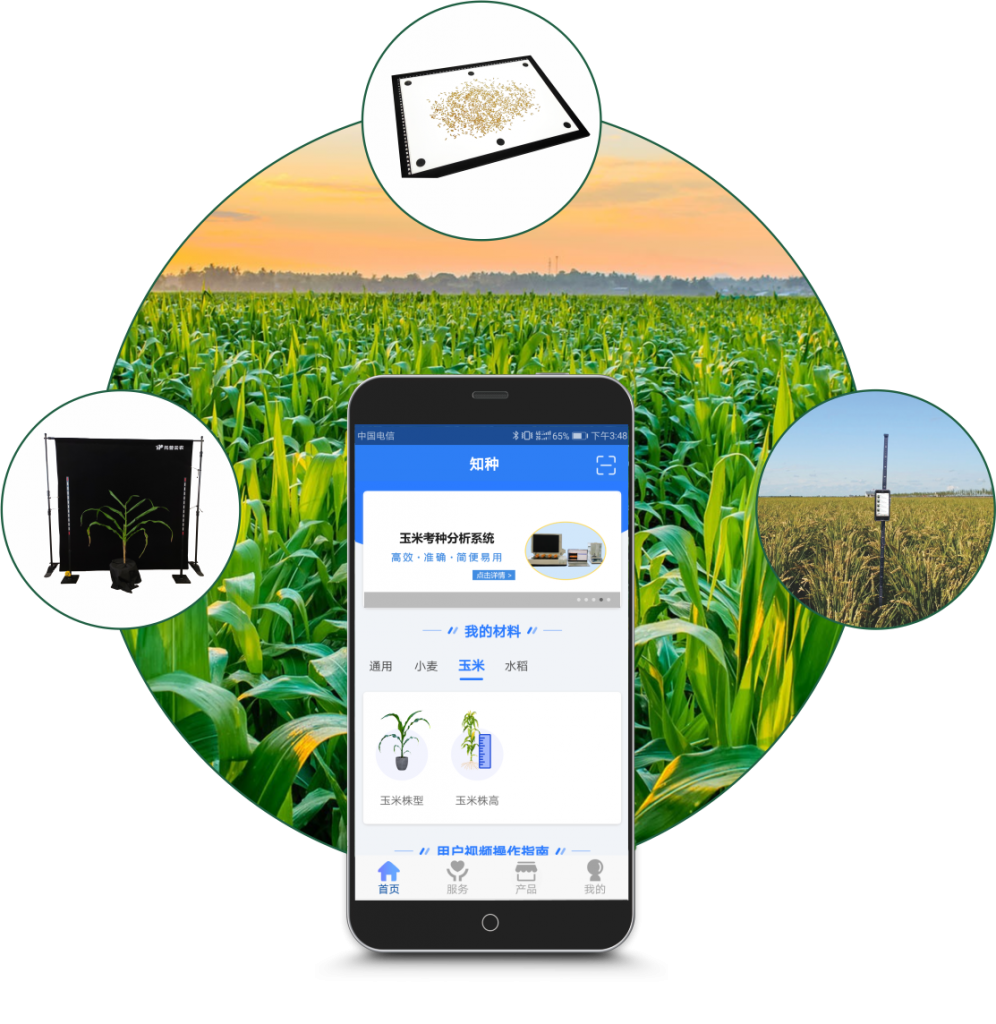
With the development of smart agriculture and digital breeding, automated seed phenotyping is becoming an important direction in the modern seed industry.




 Sales Manager