The quality of wheat flour, wheat, rice, and cereal products directly affects processing performance, nutritional value, and final product quality. From raw grain procurement and storage to milling and food production, every stage requires scientific and accurate quality testing data as a foundation.
TOP Cloud-Agri offers a comprehensive portfolio of solutions covering sample preparation, dough rheological analysis, gluten quality evaluation, starch and enzyme activity testing, nutritional component analysis, rapid non-destructive testing, physical quality assessment, and microbiological safety testing. These solutions assist grain processing enterprises, quality inspection institutions, research institutes and universities, and food companies in establishing standardized quality control systems that comply with international specifications (e.g., ICC, AACC, ISO, AOAC, and Codex standards), thereby enhancing product consistency and market competitiveness.
Accurate quality testing begins with standardized sample preparation. Whether for wheat, paddy rice, or milled rice samples, analyses of protein, gluten, starch, nutritional components, and safety indicators require standardized pretreatment steps—sampling → dehulling → grinding → weighing—to ensure accuracy and reproducibility of test results.
Paddy Dehulling and Milled Rice Preparation
For rice quality testing, paddy rice must first be processed into brown rice and then into milled rice.
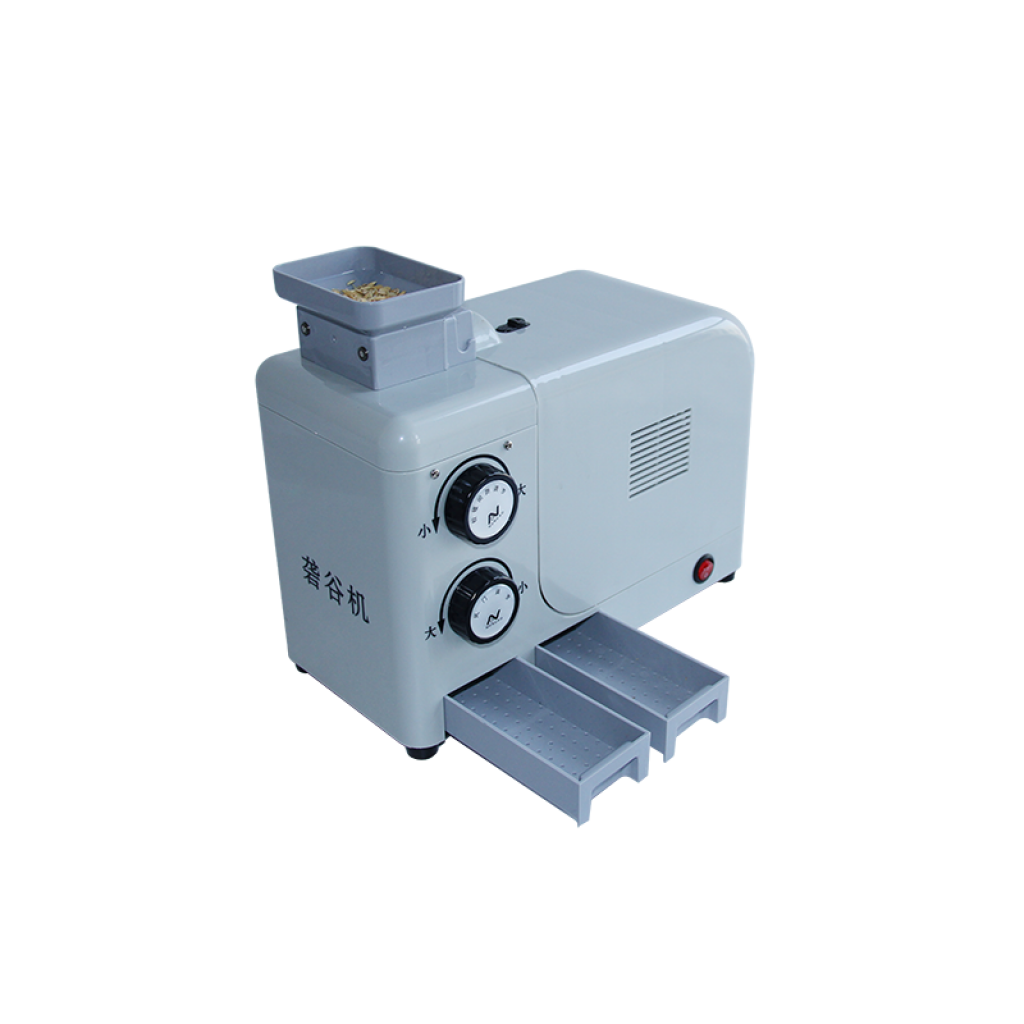
Small-scale husker → used for rapid removal of rice husks to obtain standard brown rice samples
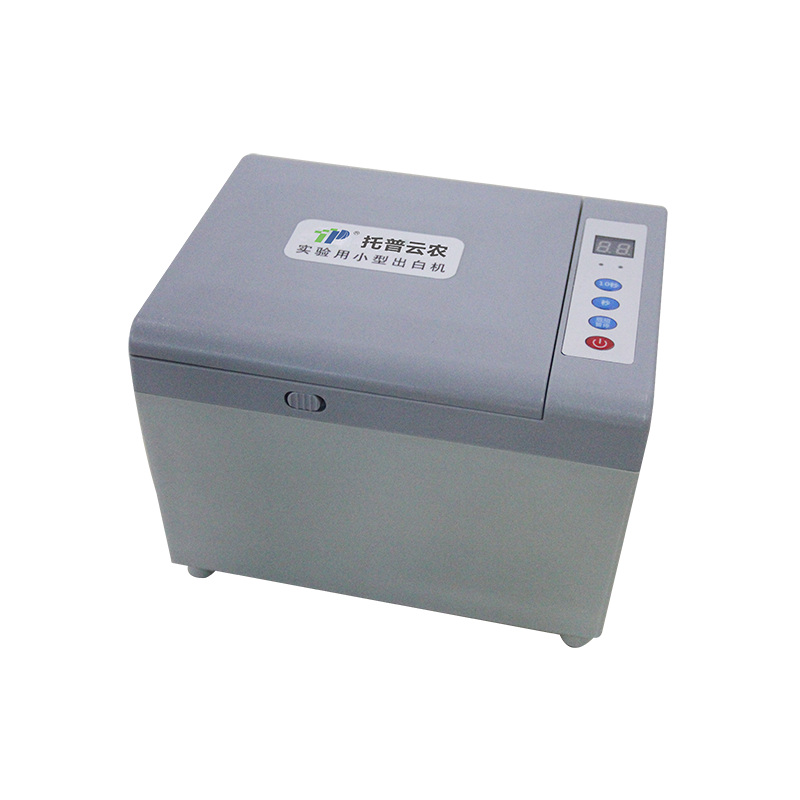
Small-scale whitener → further removes the bran layer and germ from brown rice to prepare milled rice samples that meet testing requirements, providing a basis for determining head rice yield, chalkiness, palatability score, and nutritional composition analysis.
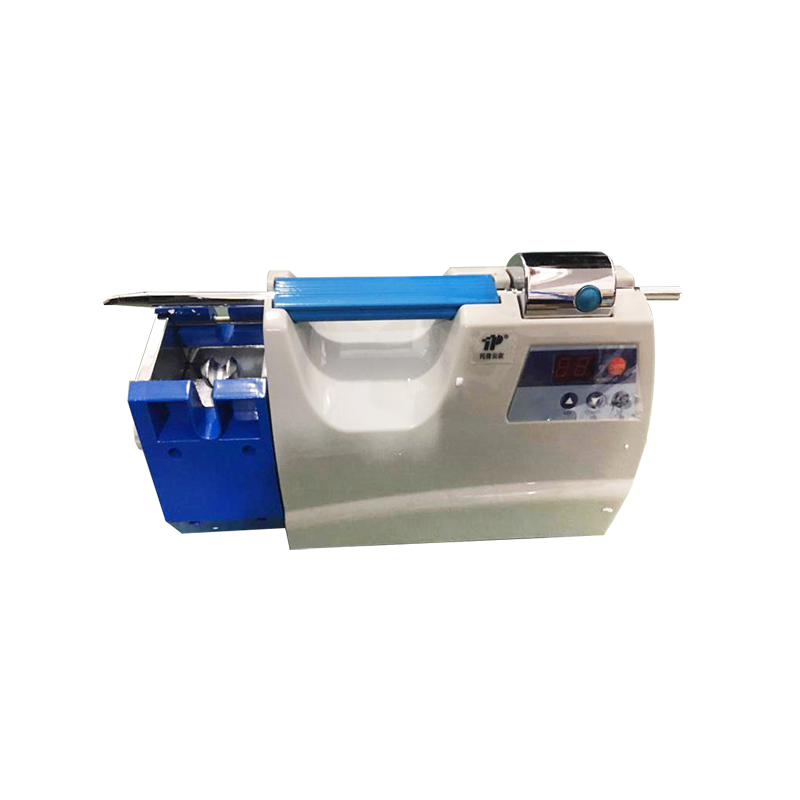
Rice mill → combines the “dehusking” and “whitening” steps into a single integrated machine.
Sample Grinding and Homogenization
To ensure uniform particle size and good reproducibility of test samples, cereals or milled rice need to be ground.
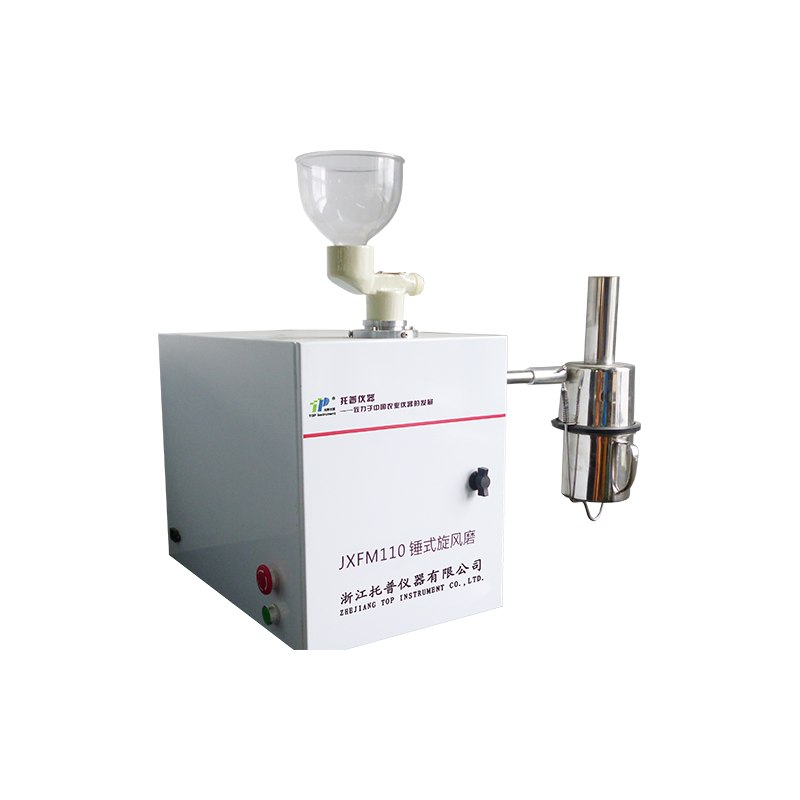
Hammer cyclone mill → widely used; samples are pulverized into fine, uniform powder by high-speed hammers; used for gluten value, falling number, viscosity, fatty acid value, and near-infrared (NIR) analysis of protein
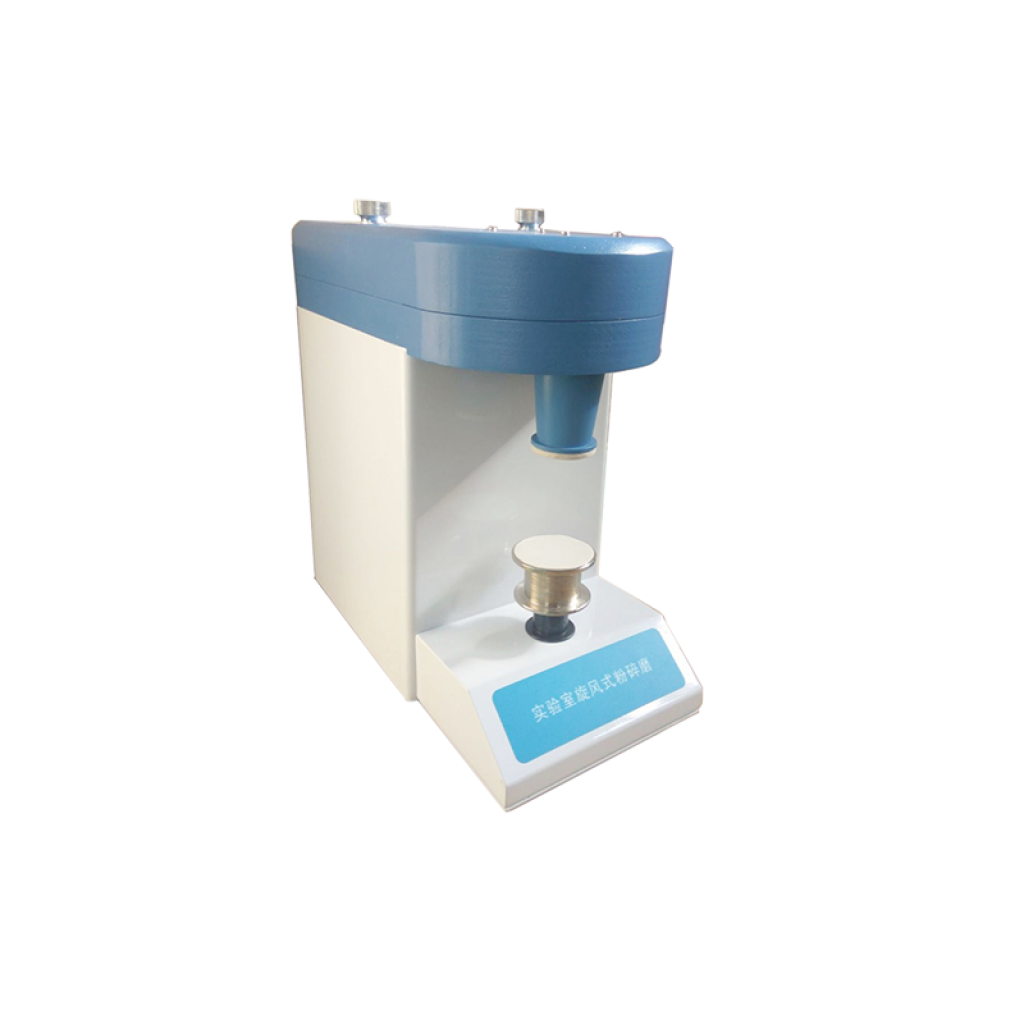
Pneumatic grinding mill → prepares samples for aged-grain testing and wheat wholemeal gluten determination; used for gluten value, falling number, viscosity, fatty acid value, and near-infrared (NIR) analysis of protein
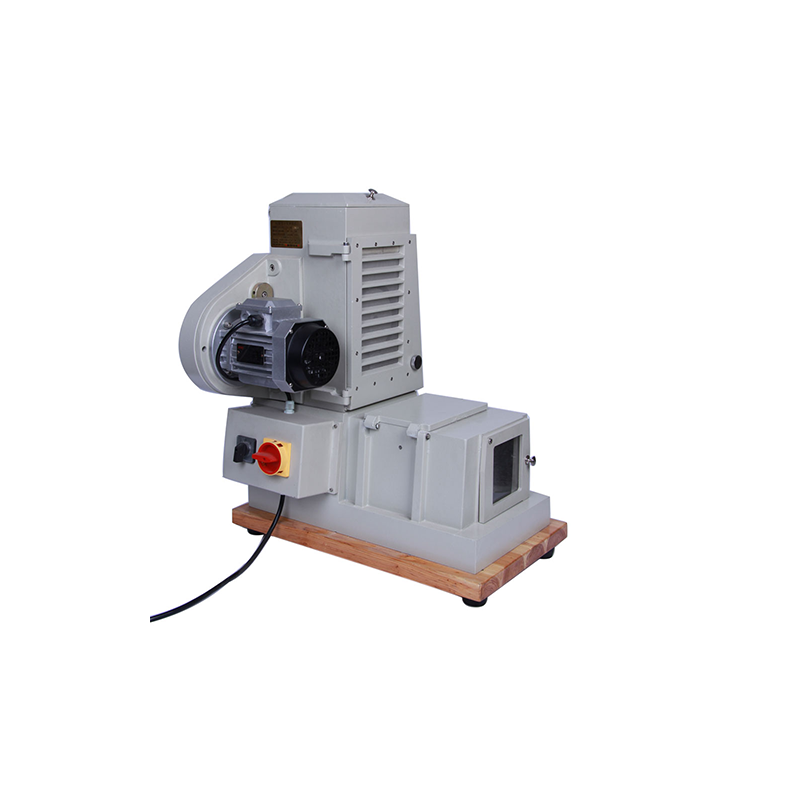
Laboratory flour mill → a pretreatment instrument for dough rheological testing, serving as a front-end preparation device for farinographs, extensographs, and alveographs
TP-JLG-2018 Laboratory Rice Husker
TP-JBJ Laboratory Rice Whitener
LTJM-2099 Rice Milling Machine
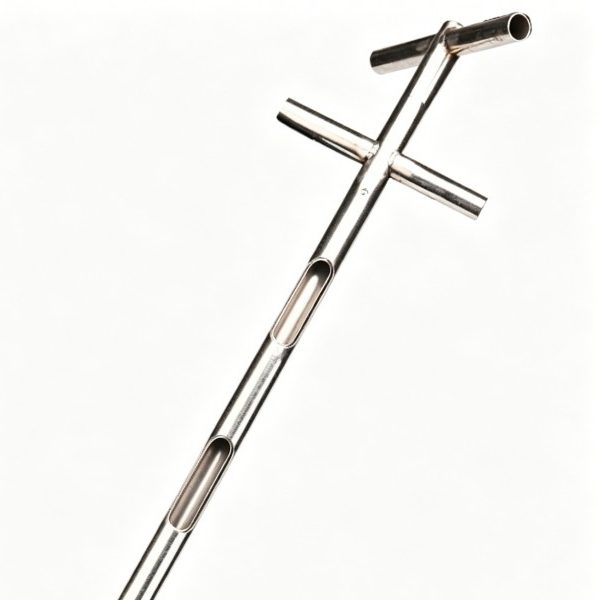
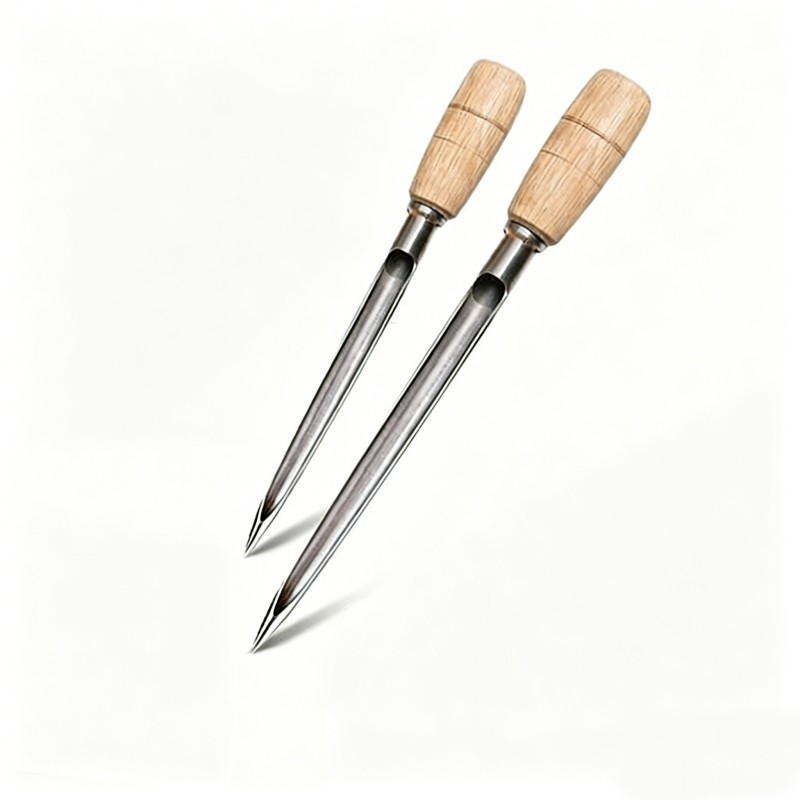
QY-1 Stainless Steel Grain Probe Sampler
QY-2 Grain Probe Sampler with Wood Handle
JXFM110 Lab Hammer Mil
FS-II Laboratory Mill
JMFD Laboratory Flour Mill
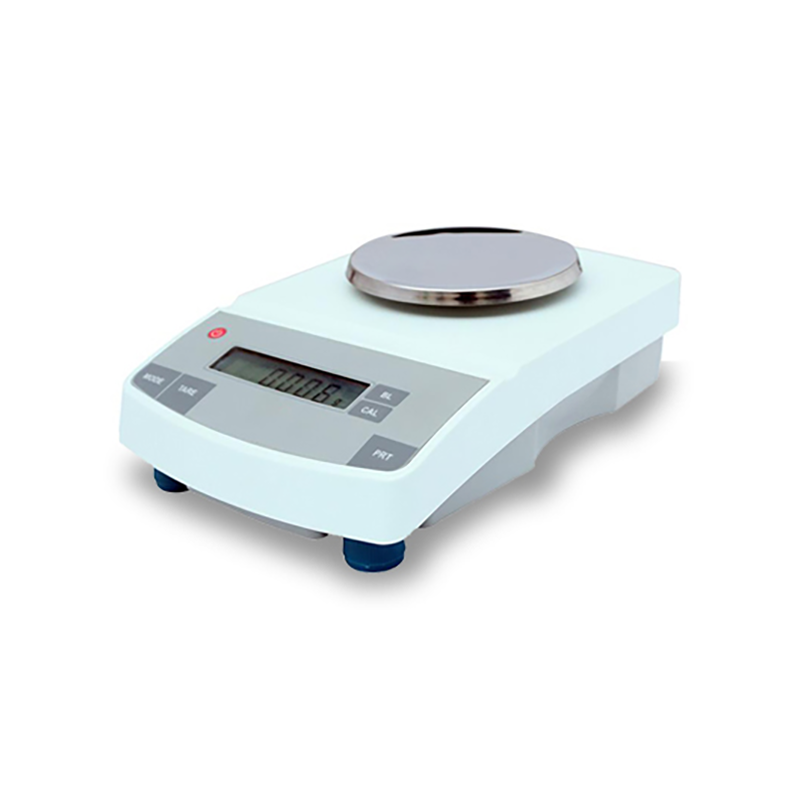
T20002N Balance 0.01g
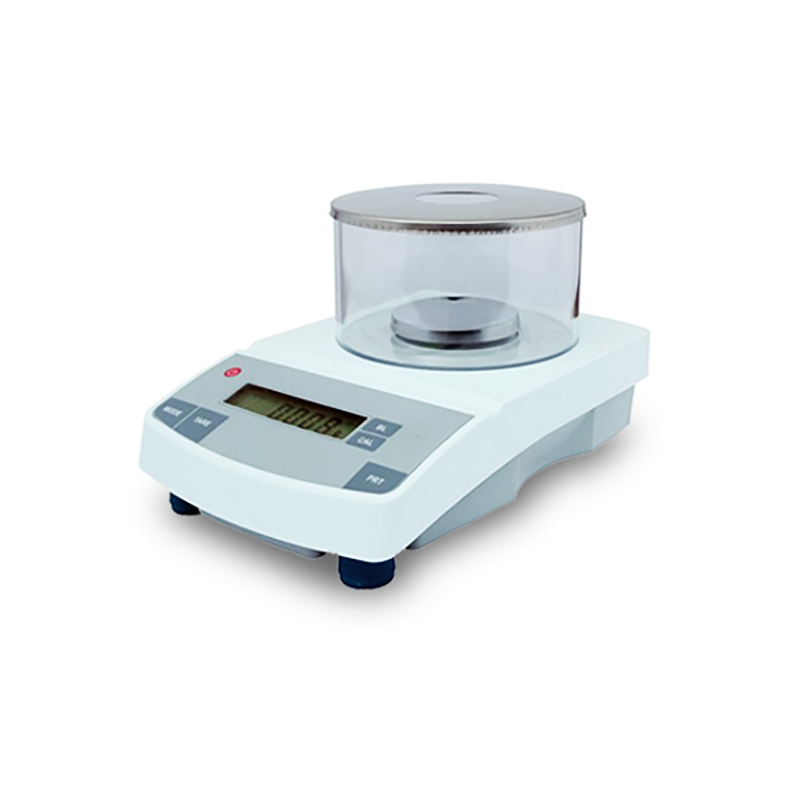
T3003N Balance 0.001g
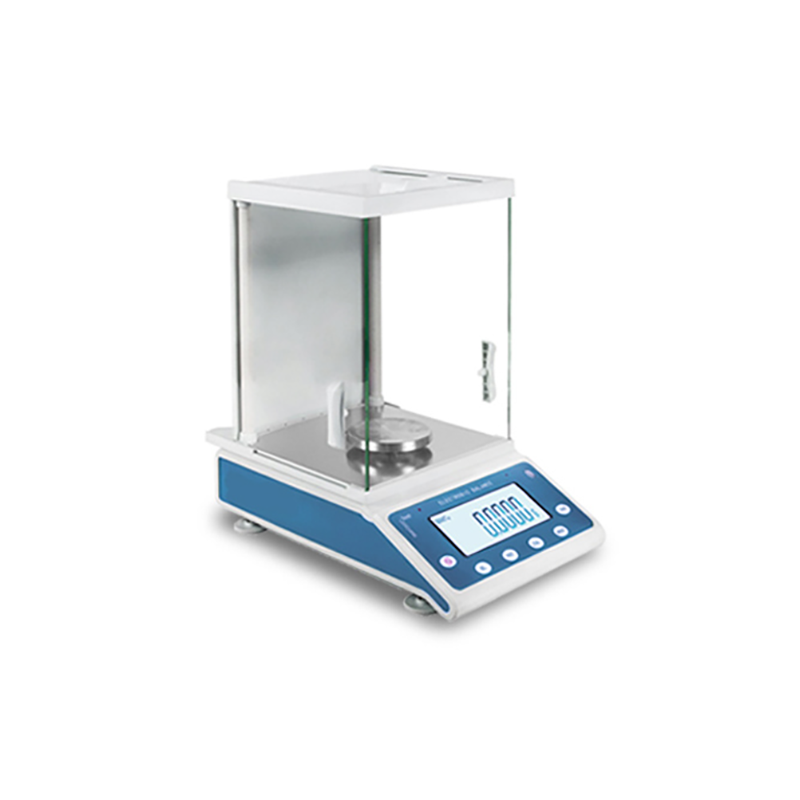
TA2004N Balance 0.0001g
Dough Rheology
Dough rheological properties are important indicators for evaluating the processing performance of flour. By simulating the changes in dough during mixing, fermentation, and processing, these tests analyze flour’s water absorption, stability time, degree of softening, and extensibility.
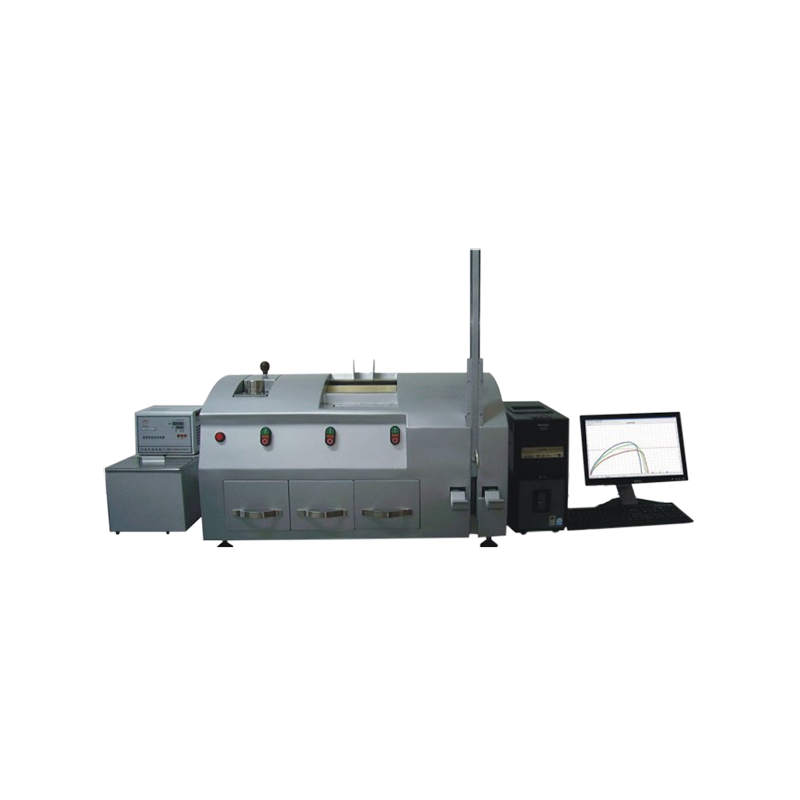
The Electronic Farinograph is used to measure the rheological properties of dough during the mixing of flour with water. It is one of the most commonly used quality evaluation instruments in flour mills, baking enterprises, and research institutions.By recording the changes in dough resistance during mixing, it evaluates the water absorption capacity of flour and dough stability, providing a basis for recipe formulation and quality control.
Extensograph
The Extensograph is used to measure the mechanical properties of fermented dough during stretching, simulating the extensional behavior of dough during fermentation and processing.This instrument evaluates the strength and extensibility of the gluten network structure and is an important piece of equipment for quality evaluation of bread flour and high-gluten flour.
Alveograph
The Alveograph continuously inflates a dough film until it bursts, simulating the behavior of dough during fermentation and baking as gas expands.
Widely used in European and international flour trade, it is an important tool for evaluating the quality of bread flour, baguette flour, and pizza flour.
面粉品质检测仪器表
Instrument
Test Principle
Purpose
Key Parameters
Electronic Farinograph
Mixing/kneading
Water absorption capacity and stability
Water absorption, development time, stability time, degree of softening
Extensograph
Stretching after fermentation
Gluten strength and extensibility
Resistance to extension, extensibility, energy value
Alveograph
Fermentation expansion
Dough gas retention capacity
P value, L value, W value, P/L ratio
HZF-150 Electronic Farinograph
HZL-350 Dough Tensile Analyzer
TPLab Alveograph Product
Gluten Quality
Gluten is a key component that determines dough structure and processing quality. Gluten quality directly affects bread volume, noodle elasticity, and baking performance.
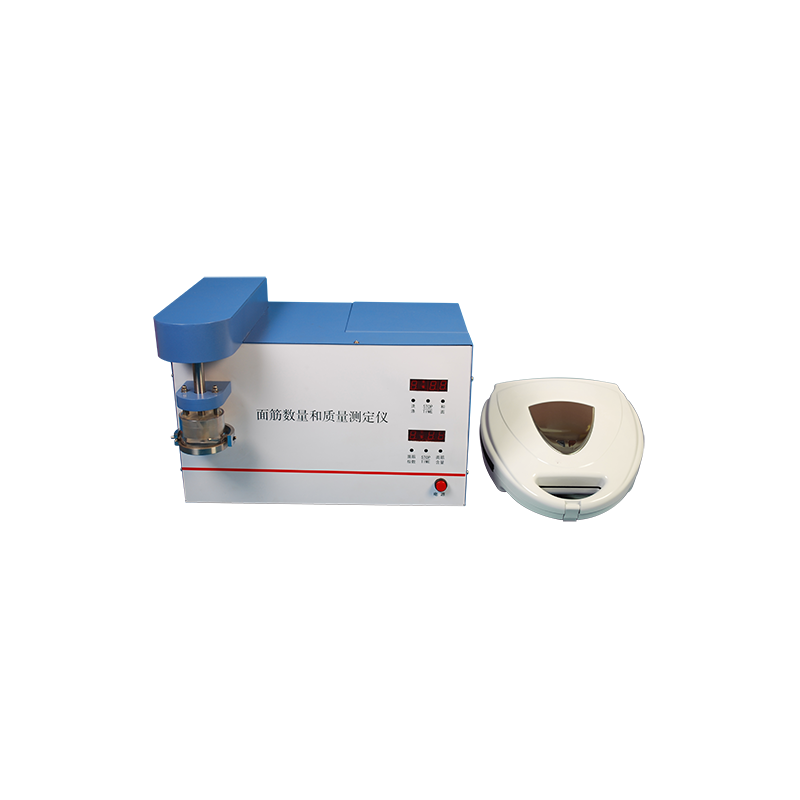
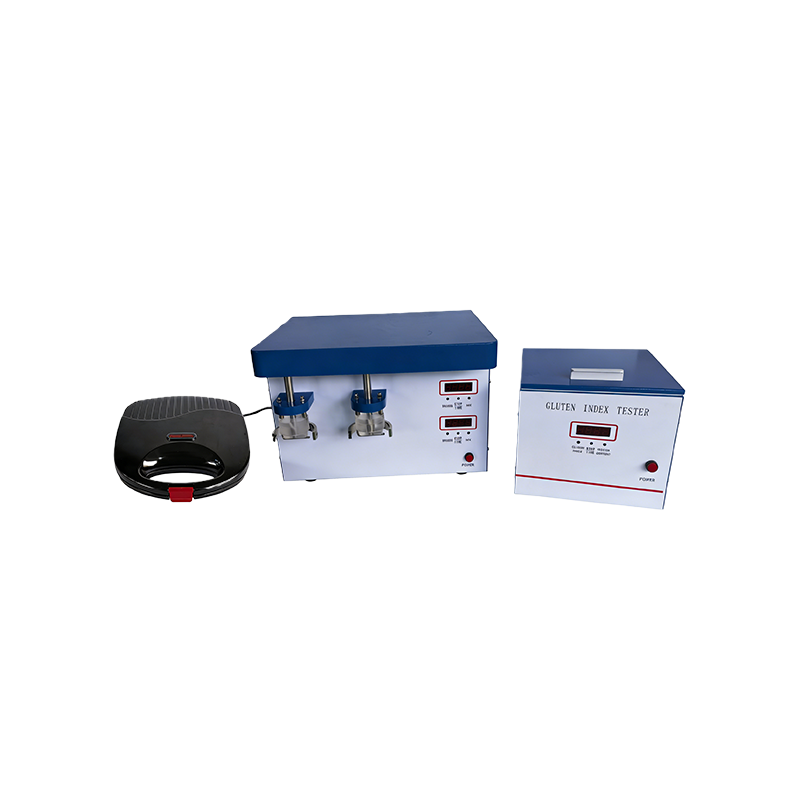
Our gluten testing system consists of three independent instruments: a Gluten Washer, a Gluten Index Centrifuge, and a Gluten Dryer. Together, they can simultaneously provide important indicators including wet (and dry) gluten content, gluten index, and gluten water retention capacity.
MJ-IIA Single Head Gluten Tester
MJ-IIIA Double Head Gluten Test
Starch & Enzyme Activity
Starch properties and enzyme activity determine flour gelatinization behavior, fermentation characteristics, and the texture of final products. These tests are widely used in flour processing, grain trading, and food research and development.
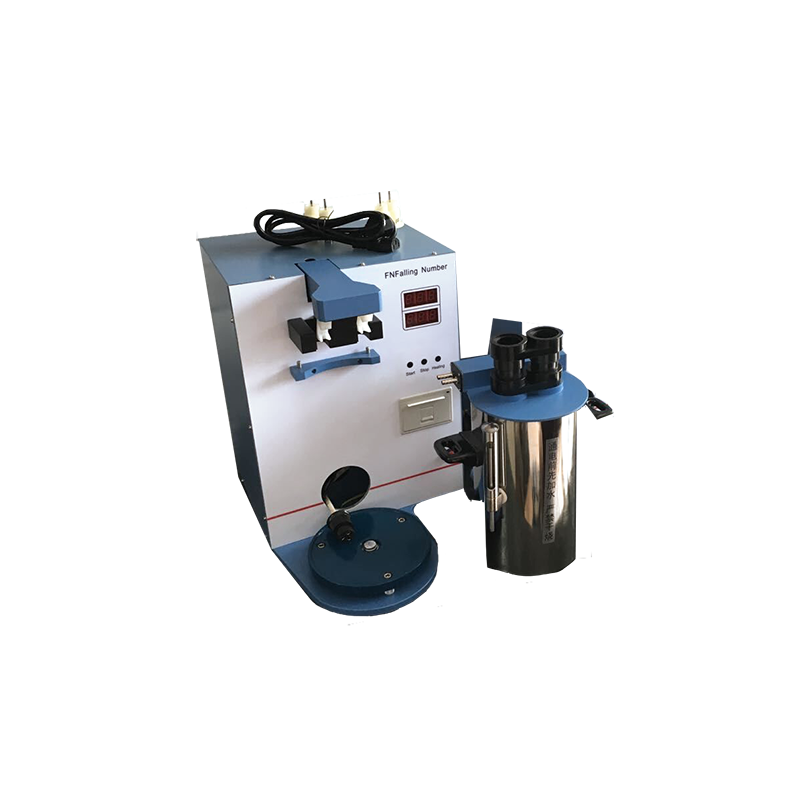
Falling Number Analyzer
The Falling Number Analyzer is mainly used to determine α-amylase activity in flour or cereals. When grains undergo sprouting or become damp, α-amylase activity increases, accelerating starch degradation, which leads to poor dough structure, bread collapse, and reduced product quality. Therefore, falling number has become an important indicator in international grain trading and flour quality evaluation.
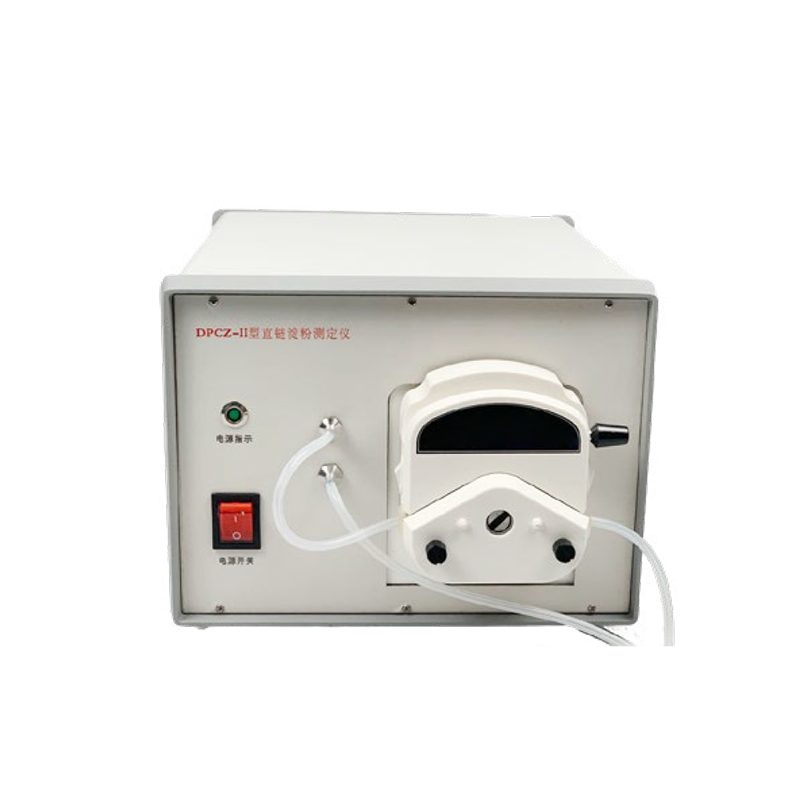
Amylose Analyzer
The ratio of amylose to amylopectin determines the texture, viscoelasticity, staling rate, and eating quality of food products.
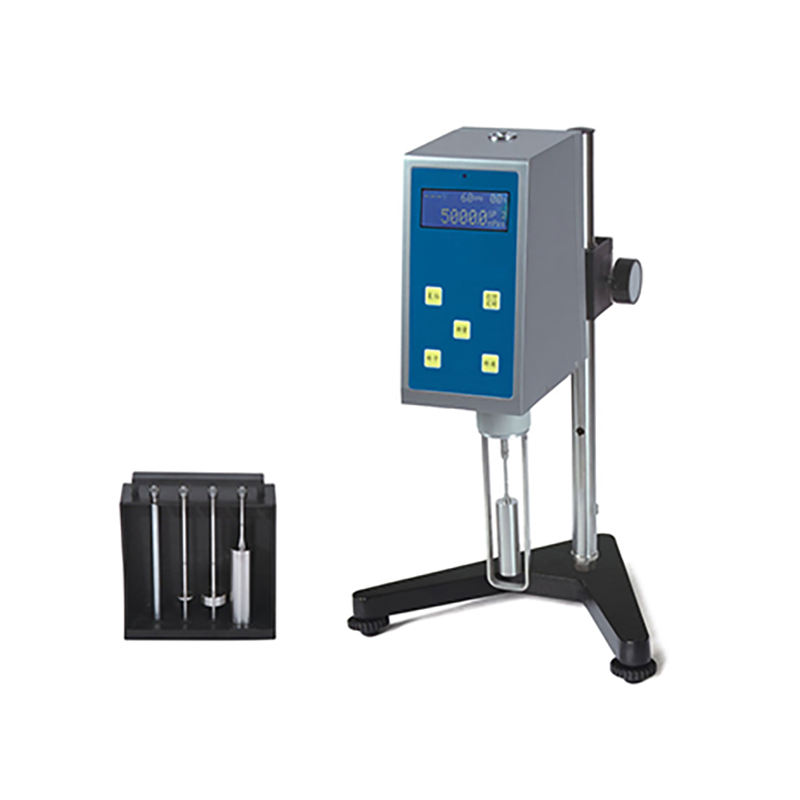
Rapid Visco Analyzer (RVA)
The RVA measures viscosity changes during starch gelatinization by simulating the heating, holding, and cooling processes.
面粉品质检测仪器表
Instrument
Test Principle
Purpose
Falling Number Analyzer
α-Amylase activity
Whether starch has been degraded by enzymes
Amylose Analyzer
Starch composition/structure
What starch is composed of
Rapid Visco Analyzer (RVA)
Starch processing behavior
How starch performs during processing
FN-II Falling Number Tester
DPCZ-II Amylose Tester
PDJ Series Rapid Visco Analyzer
Composition and Nutritional
Nutritional component testing is an important means of evaluating grain quality and meeting regulatory requirements, which can be used for labeling, quality certification, and scientific analysis.
面粉品质检测仪器表
Instrument
Test Parameter
Main Indicator
Application Significance
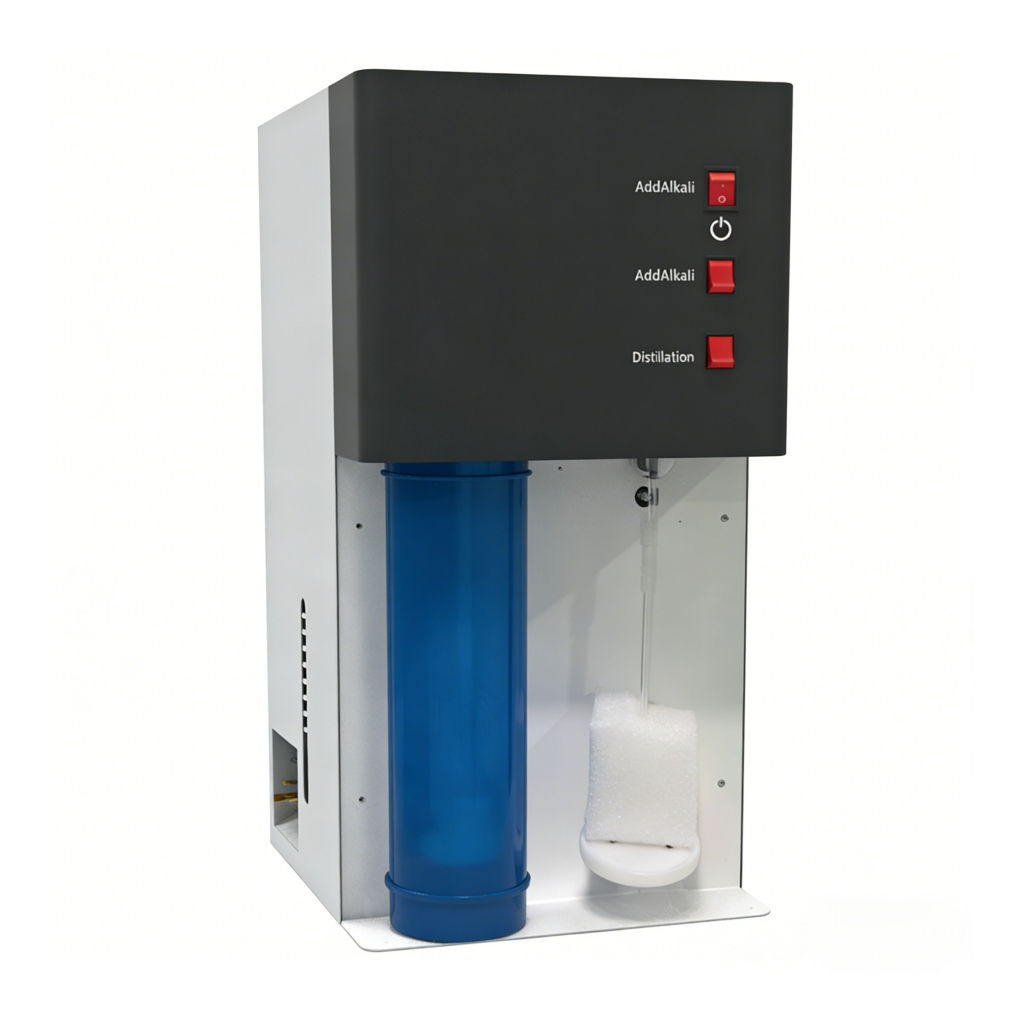
Kjeldahl Nitrogen Analyzer + Digester
Protein analysis
Crude Protein
Evaluates flour nutritional value and gluten potential
Digester
Sample pretreatment
Organic nitrogen digestion
Provides digestion solution for Kjeldahl nitrogen analysis
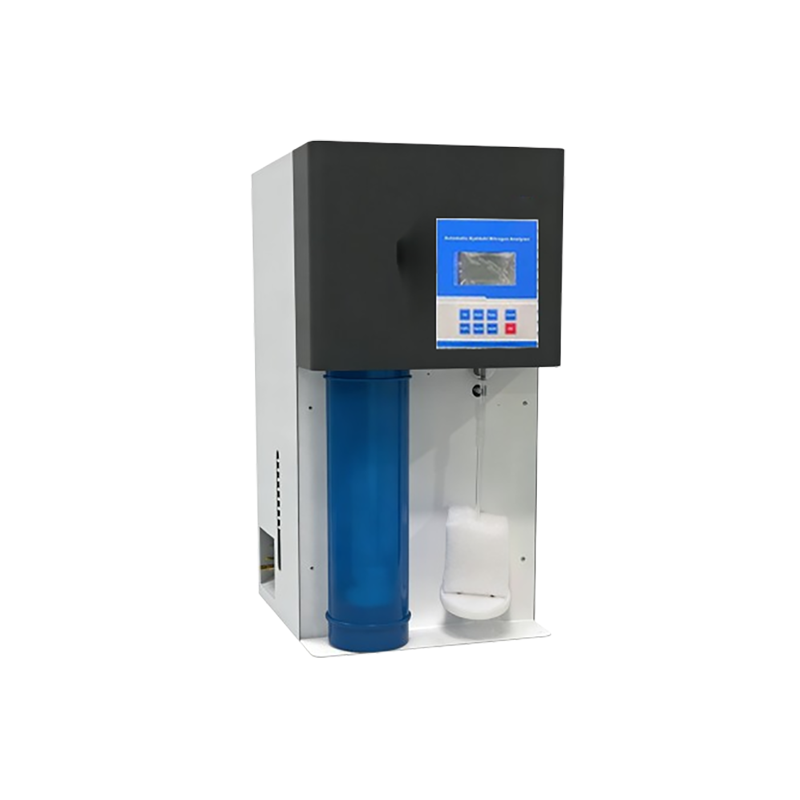
Kjeldahl Nitrogen Analyzer
Nitrogen determination
Total Nitrogen
Converts to protein content
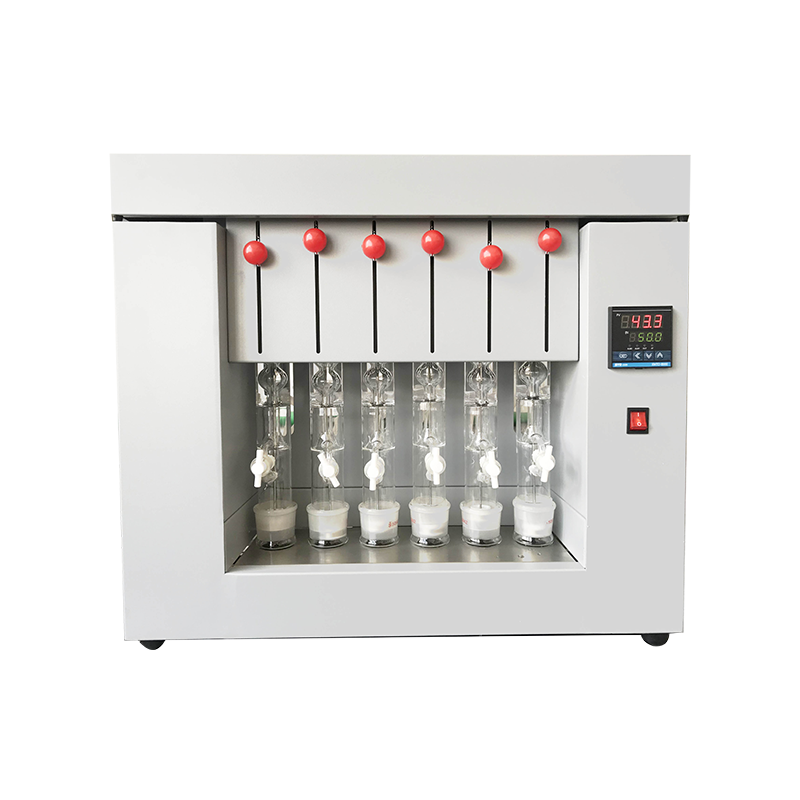
Soxhlet Fat Analyzer
Fat analysis
Crude Fat
Evaluates nutritional value and storage stability
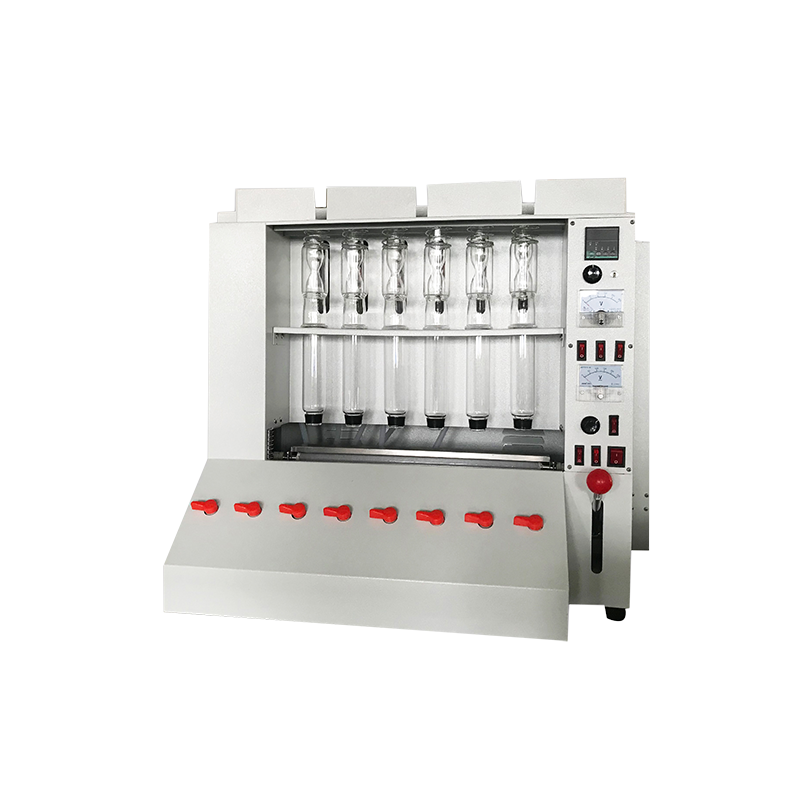
Crude Fiber Analyzer
Fiber analysis
Crude Fiber
Evaluates quality of whole-wheat flour, bran, and cereals
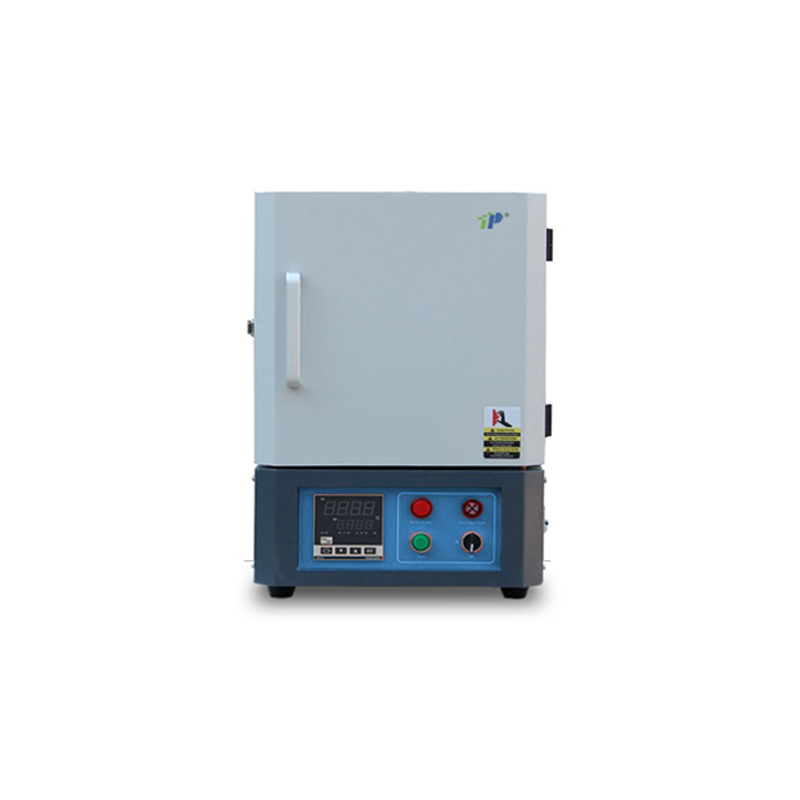
Muffle Furnace
Ash analysis
Ash
Evaluates flour refinement degree and mineral content
Oven (130–133°C)
Moisture analysis (standard method)
Moisture
Determines storage stability and quality grade
Halogen Moisture Analyzer
Rapid moisture analysis
Moisture
For rapid quality control and on-site testing
ZDDN-II Kjeldahl Analyzer+Digester
ZDDN-III Kjeldahl Nitrogen Analyzer
TM L5/12 Muffle Furnace
SZF-06C Soxhlet Fat Analyzer
CXC-06 Raw Fiber Analyzer
Rapid Composition
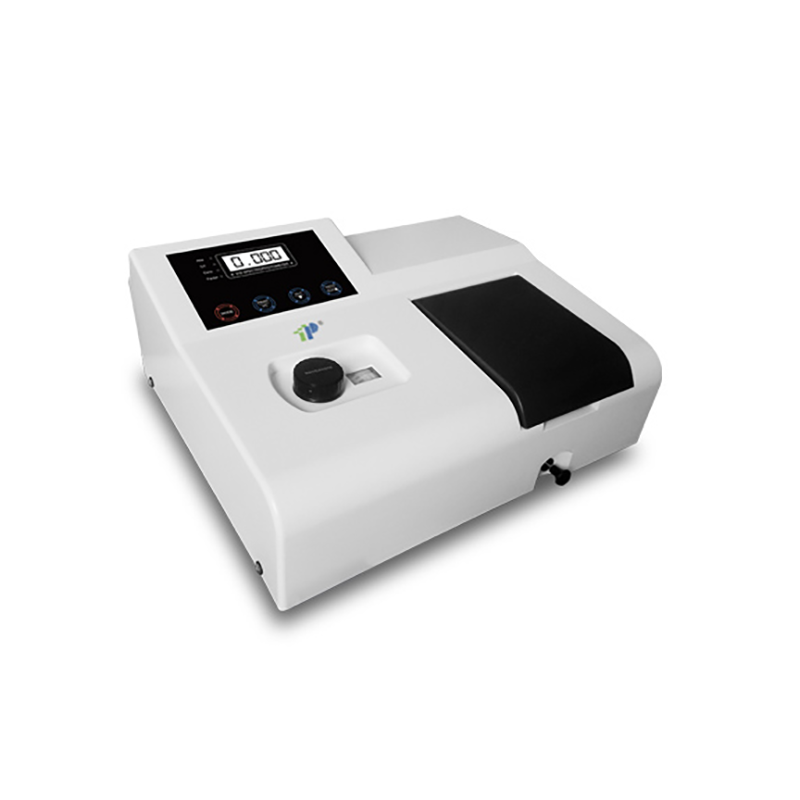
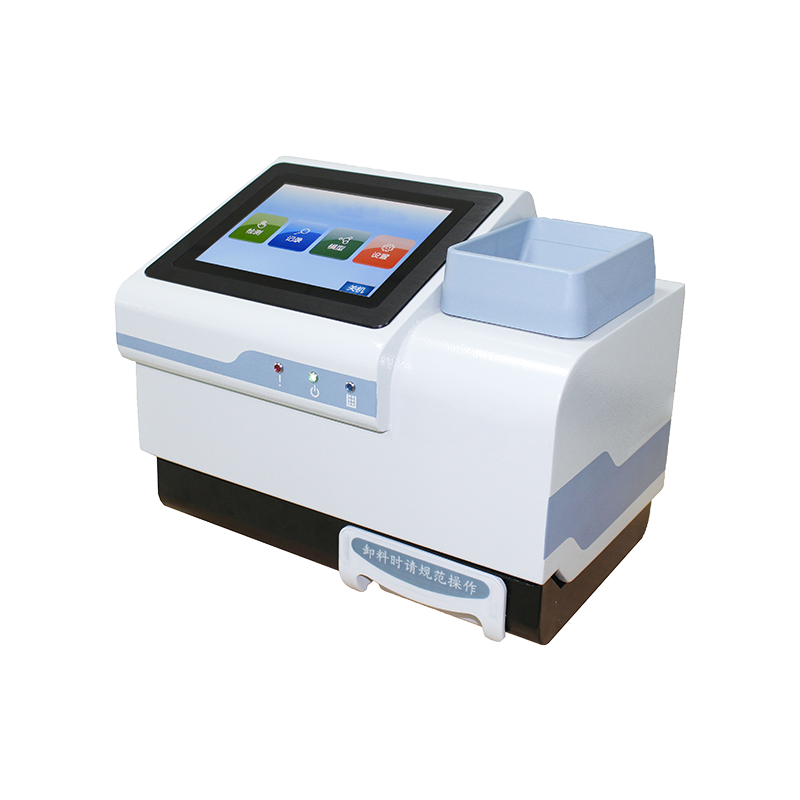
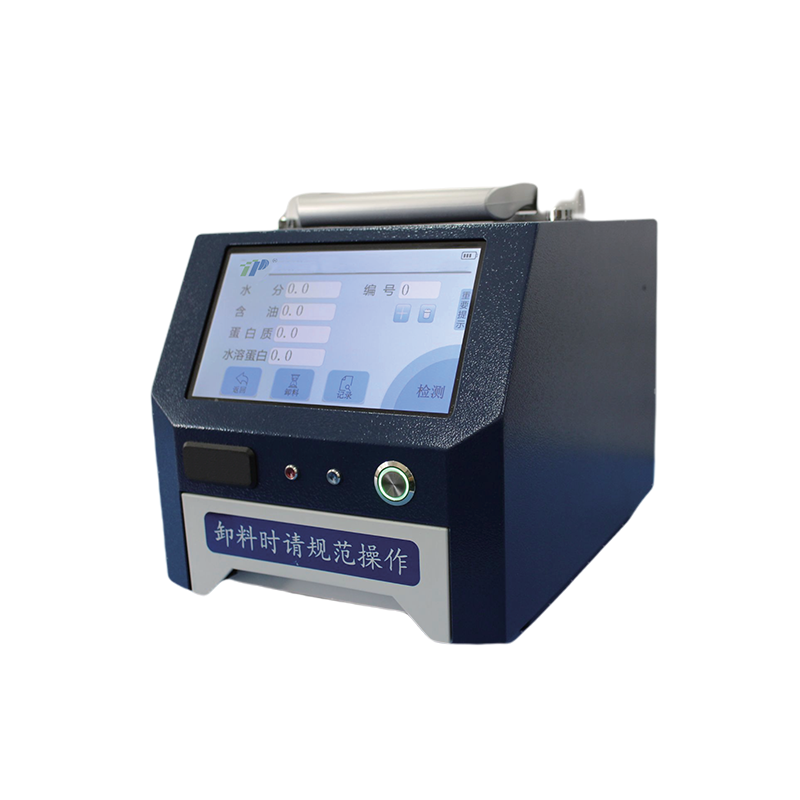
A spectrophotometer can quickly detect some components of flour, but it cannot fully reflect the processing quality of flour. For key indicators such as gluten quality, dough rheological properties, and starch gelatinization properties, it is still necessary to use professional equipment such as gluten analyzer, flour analyzer, tensile analyzer, RVA rapid viscosity analyzer, etc. for accurate measurement.
P721 Spectrophotometer
TPG-3020 NIR Grain Analyzer
TPG-1020 Portable Protein Analyzer
Physical Quality
Physical properties are an important foundation for grain quality evaluation, directly reflecting raw material grade, processing performance, and market value.
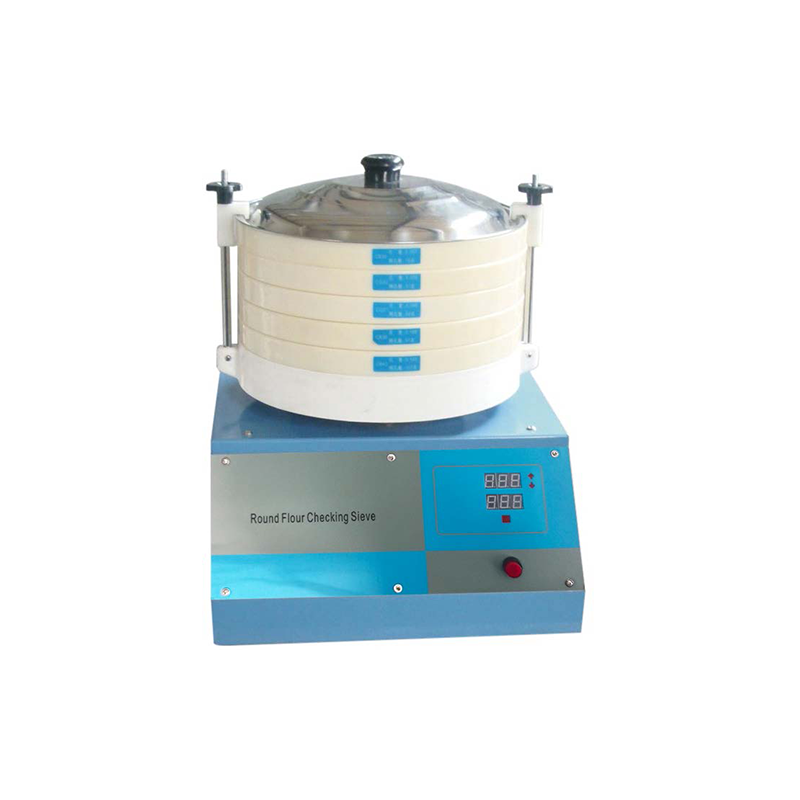
Flour Sieve Shaker — SThe Flour Sieve Shaker is used to determine flour particle size and particle size distribution. It is an important tool for evaluating milling technology and flour uniformity
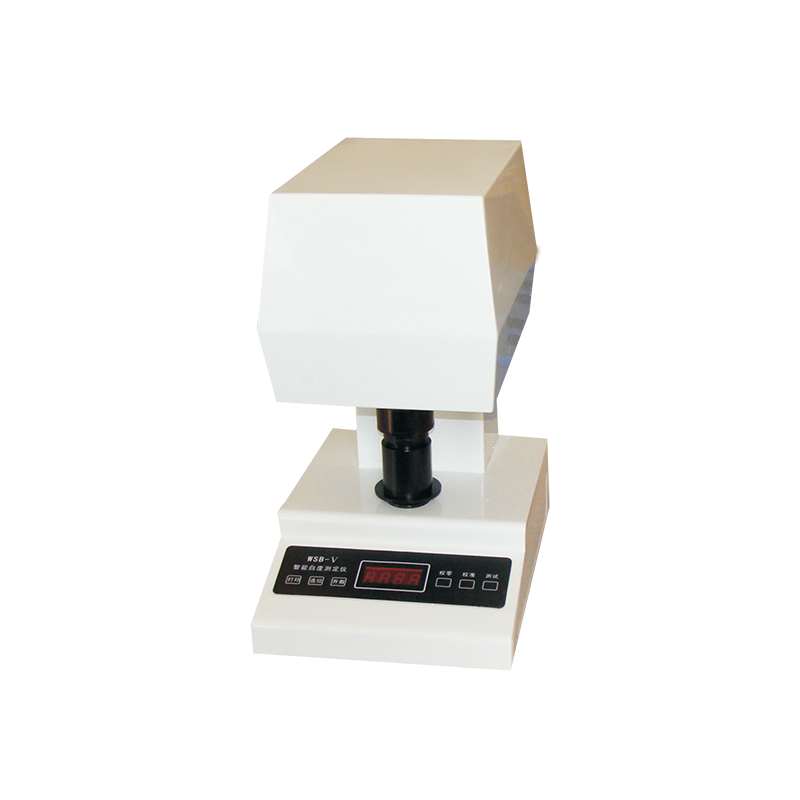
Whiteness Meter — The Whiteness Meter is used to measure the reflectance of flour to white light, evaluating flour whiteness in a digital format.
Equipment: MicroscopeWhiteness Meter
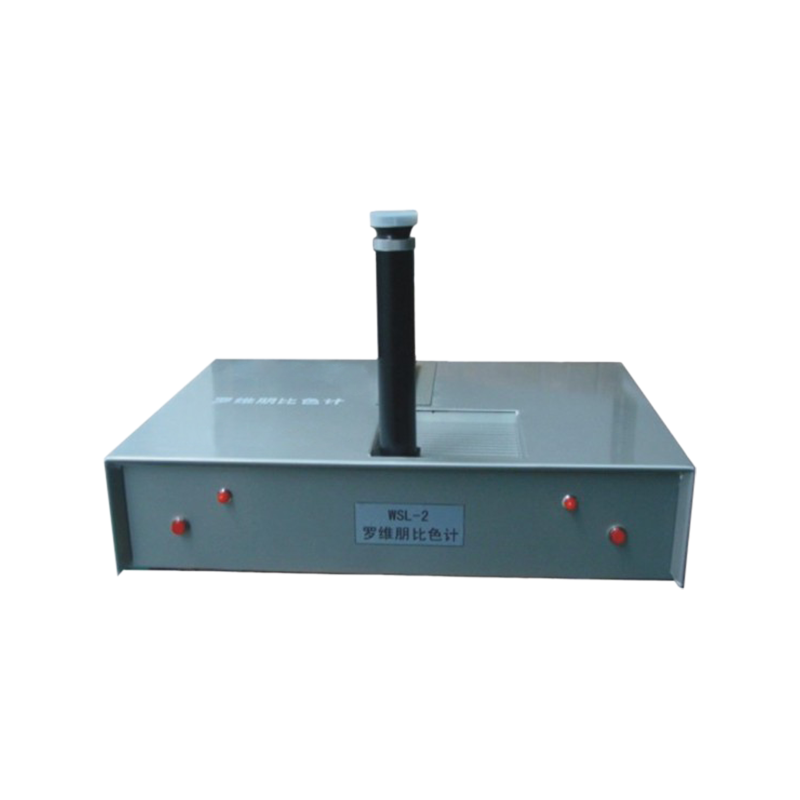
Lovibond Colorimeter — The Lovibond Colorimeter is used to determine the color composition and overall color characteristics of samples, providing quantitative evaluation of flour color through a standard color scale system.
面粉品质检测仪器表
Instrument
Test Parameter
Purpose
Flour Sieve Shaker
Particle size
Whether the flour is fine and uniform
Whiteness Meter
Whiteness
Whether the flour is white
Lovibond Colorimeter
Color/color shade
Whether the flour color is normal, or whether it is yellowish or reddish
JYSY30X8 Flour Checking Sieve
WSB-V Whiteness Meter
WSL-2 Lovibond Colorimeter
Rice Quality
Rice quality testing runs through the entire process of breeding, procurement, storage, and processing, and is an important basis for ensuring the commodity value and edible quality of rice.
大米品质检测仪器表
Instrument
Test Parameter
Key Indicator
Purpose
Laboratory Rice Freshness Tester
Freshness
Freshness value, degree of aging
Whether the rice is fresh or aged
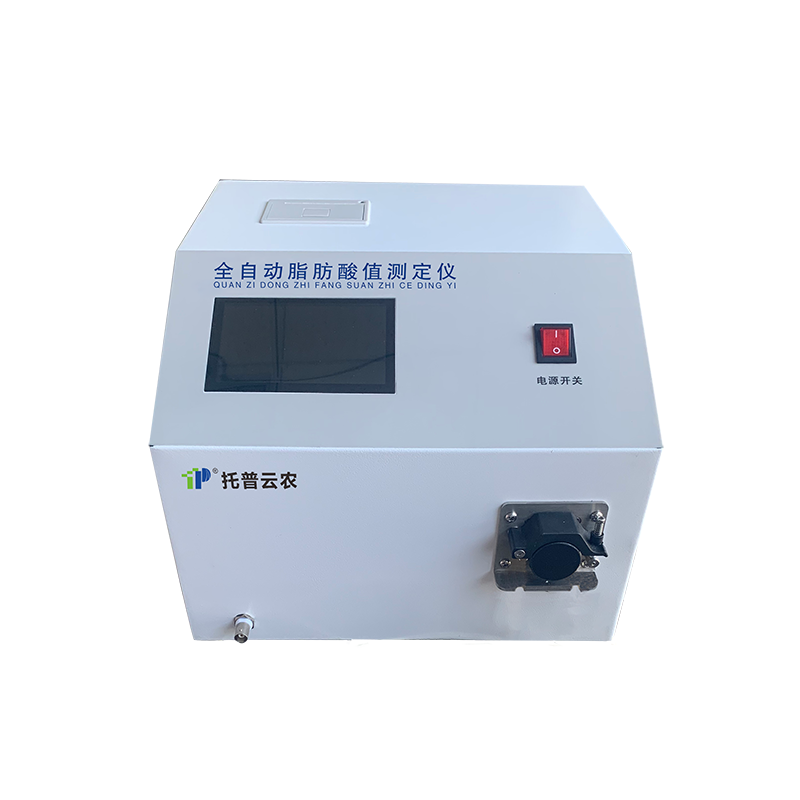
Fatty Acid Value Tester
Storage stability
Fatty acid value, free fatty acids
Whether oxidative rancidity has occurred, whether storage quality has declined
Rice Taste Meter
Eating quality
Taste score, protein, amylose, etc.
Whether cooked rice has good palatability and commercial value
During storage and processing, grains and flour may be affected by microorganisms, mycotoxins, and other contaminants. Safety testing is a crucial part of ensuring food quality and protecting consumer health.
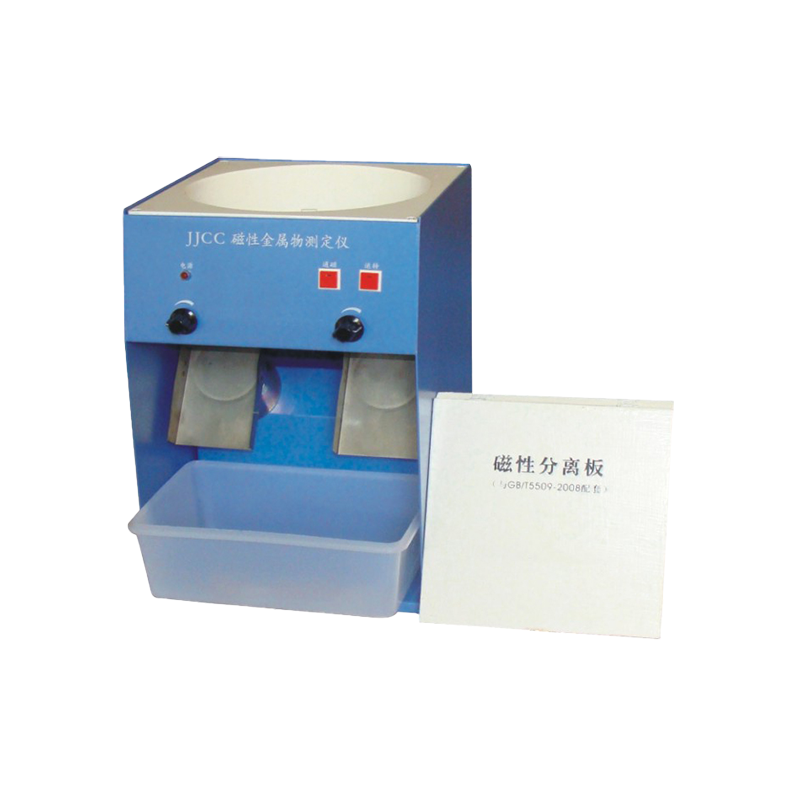
Magnetic Metal Tester
Used for rapid determination of magnetic metal impurity content in flour and various grain powders, helping to assess the risk of metal contamination during processing and ensuring food safety and product quality.
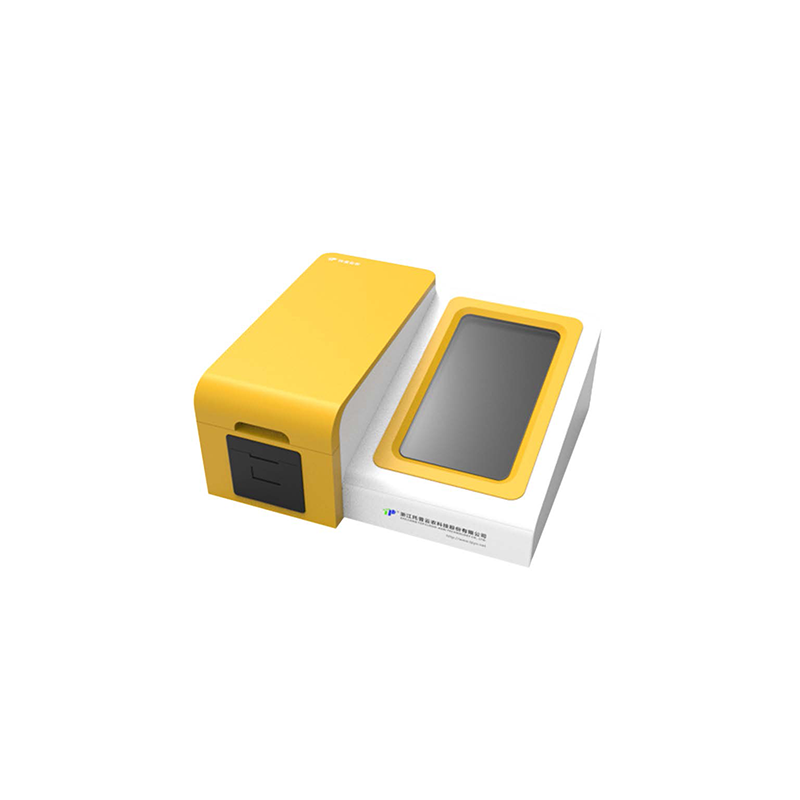
Grain Heavy Metal Analyzer
Used for rapid detection of heavy metal contamination in grains and grain products, helping to ensure food safety and meet grain quality regulatory requirements.
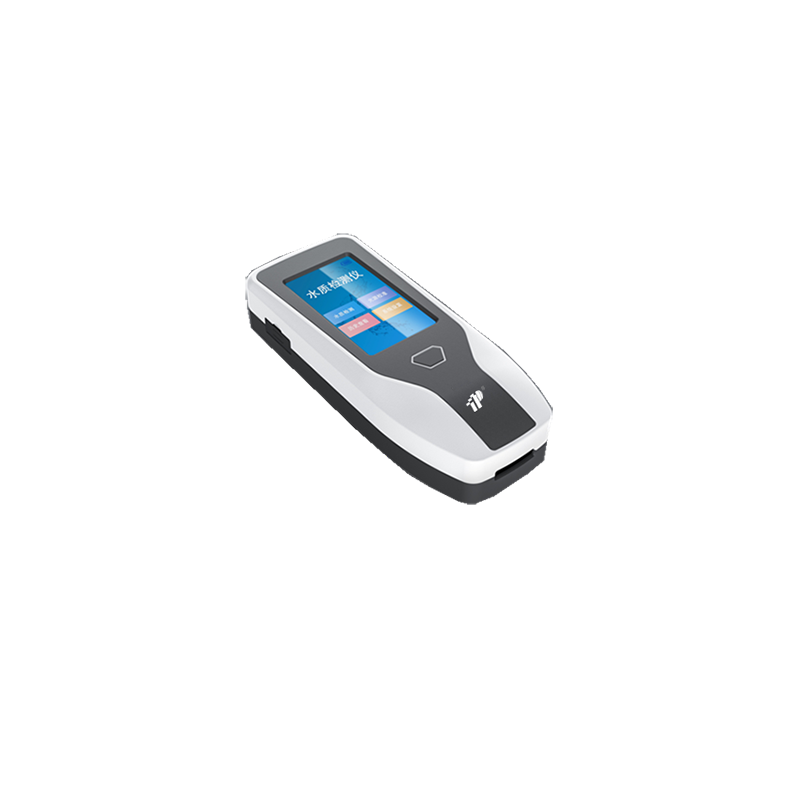
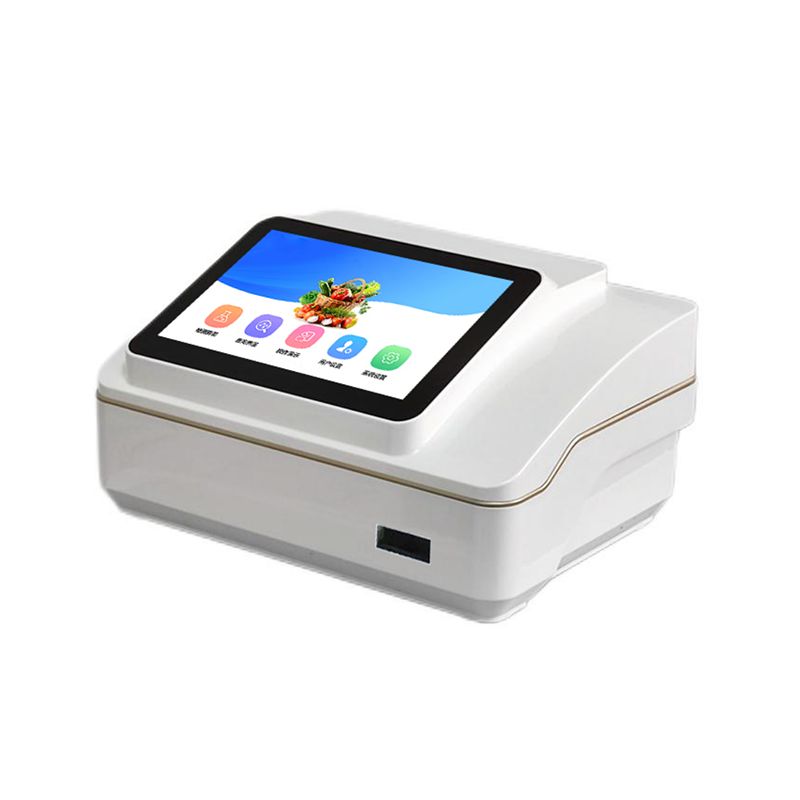
Heavy Metal, Mycotoxin and Antibiotic Analyzer
A rapid food safety screening device based on colloidal gold immunochromatography and AI image recognition, designed for on-site detection of heavy metals, mycotoxins, and antibiotic residues in grains and food products.
JJCC Magnetic Metal Analyzer
TPJS-S Grain Heavy Metal Detector
NY-DB10B Portable Heavy Metal & Mycotoxins Analyzer







 Sales Manager