+86 571-86062776      zjtop@top17.net

Agricultural IoT Solutions

Smart Sensing · Precision Control · Automated Operations · Data-Driven Decisions

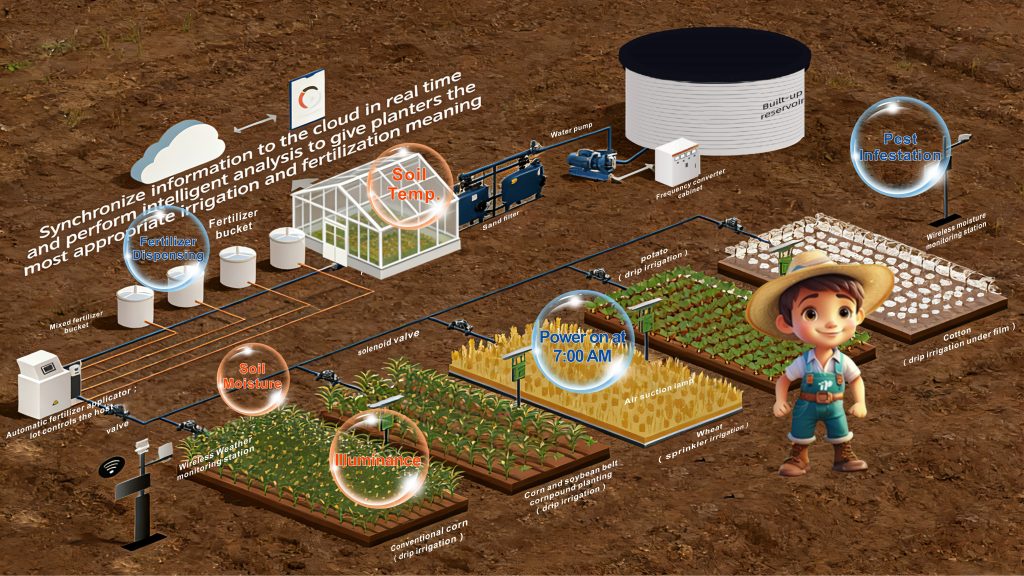
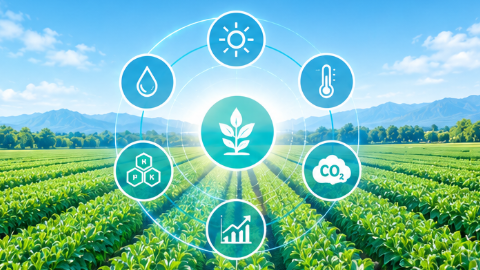
Connecting smart devices, agricultural environments, and operational data to build an integrated digital agriculture ecosystem for production, government management, and agricultural research.

TOP Cloud-Agri integrates IoT, artificial intelligence, smart equipment, and data analytics to deliver comprehensive solutions ranging from environmental monitoring and intelligent control to data management. We help agriculture move toward greater precision, automation, and digitalization.

TOP Cloud-Agri IoT Components

Solution Modules
Hardware Module
Software Module
AI Module
Functional Module
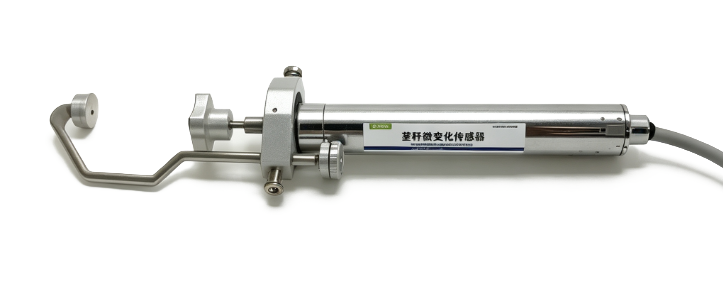
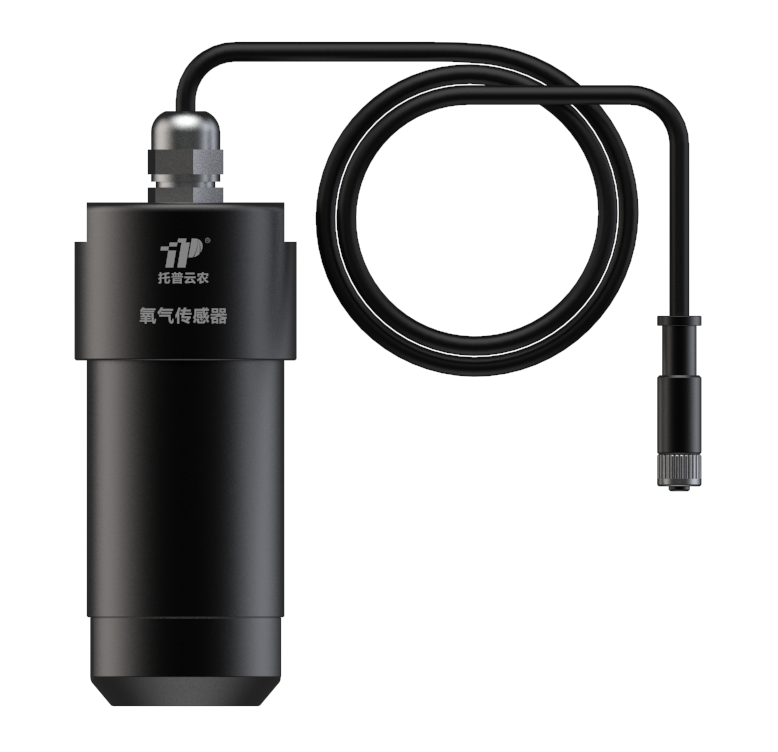
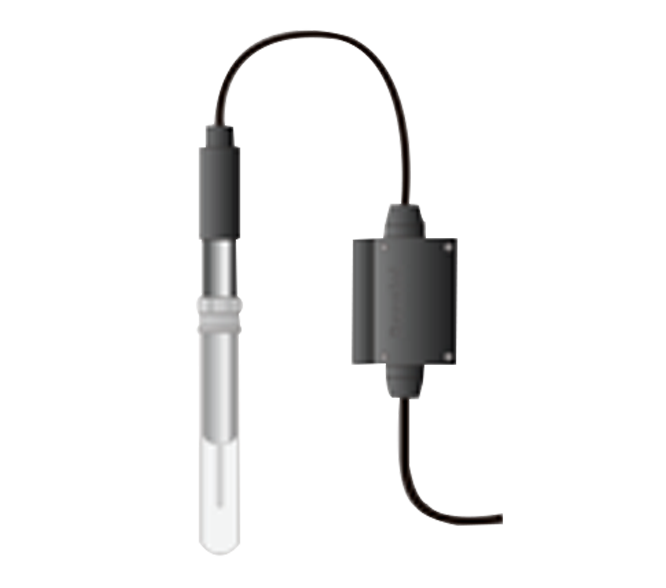
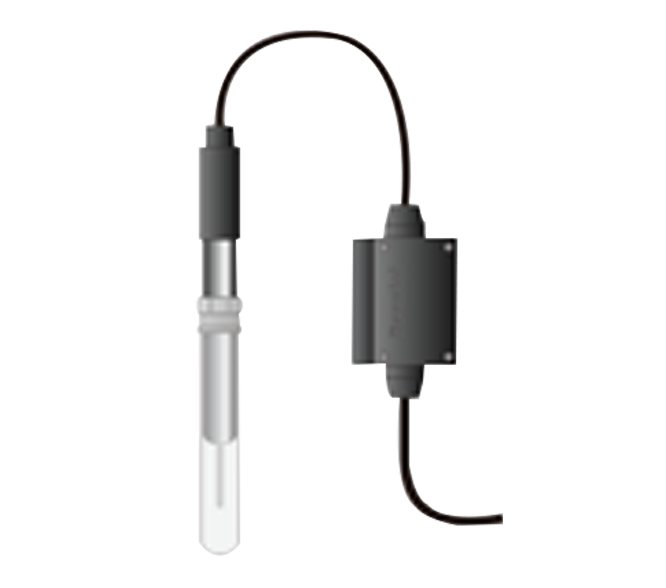
Self-Developed Sensor
70+ in-house-developed sensors

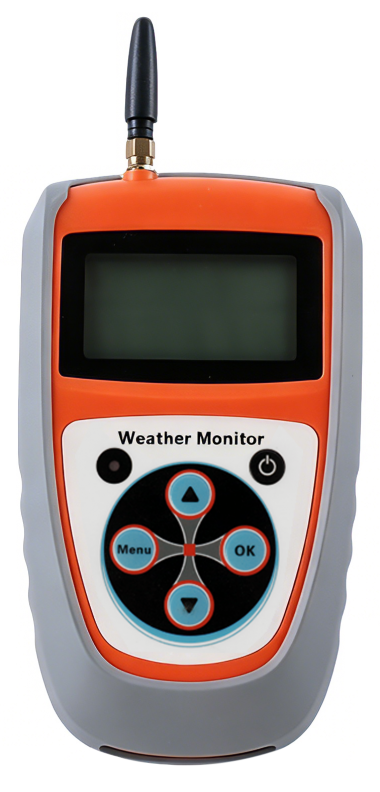
Portable terminal for real-time field data acquisition and visualization, integrated with our cloud platform for intelligent analytics, predictive models, and decision support (cloud service subscription required).
 
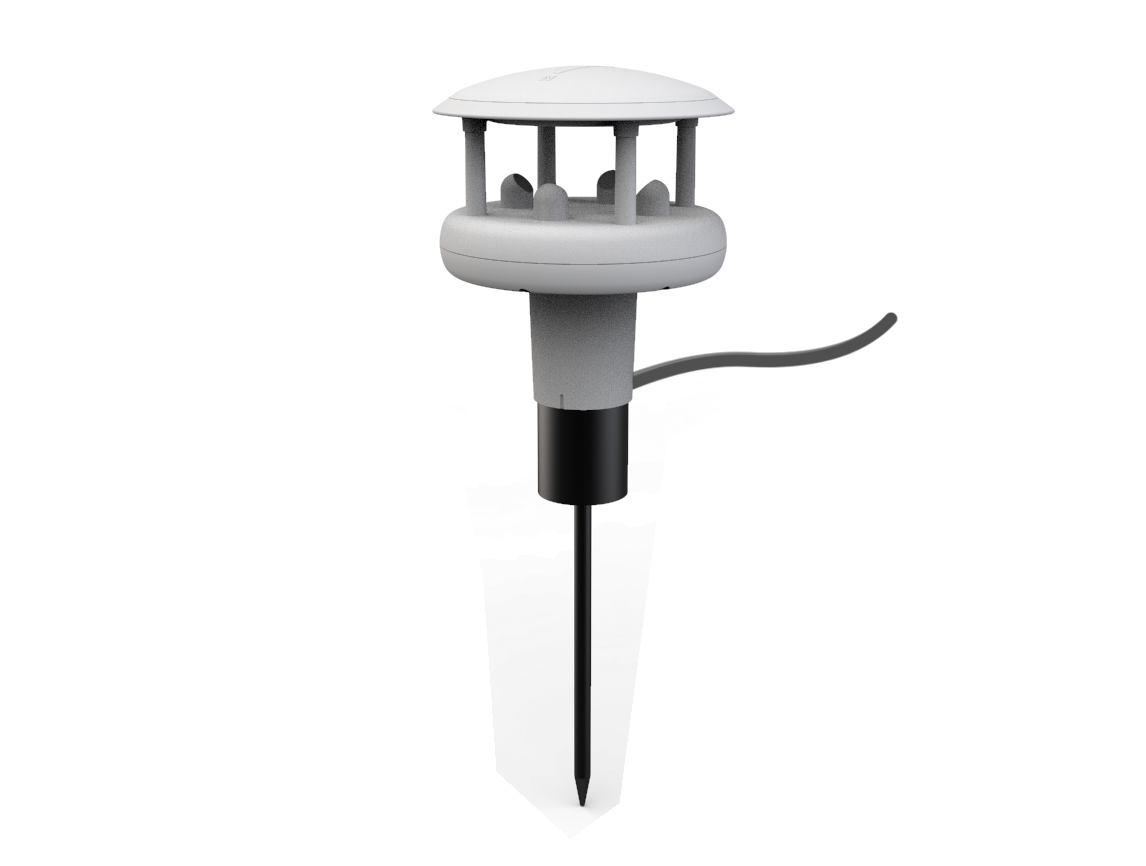
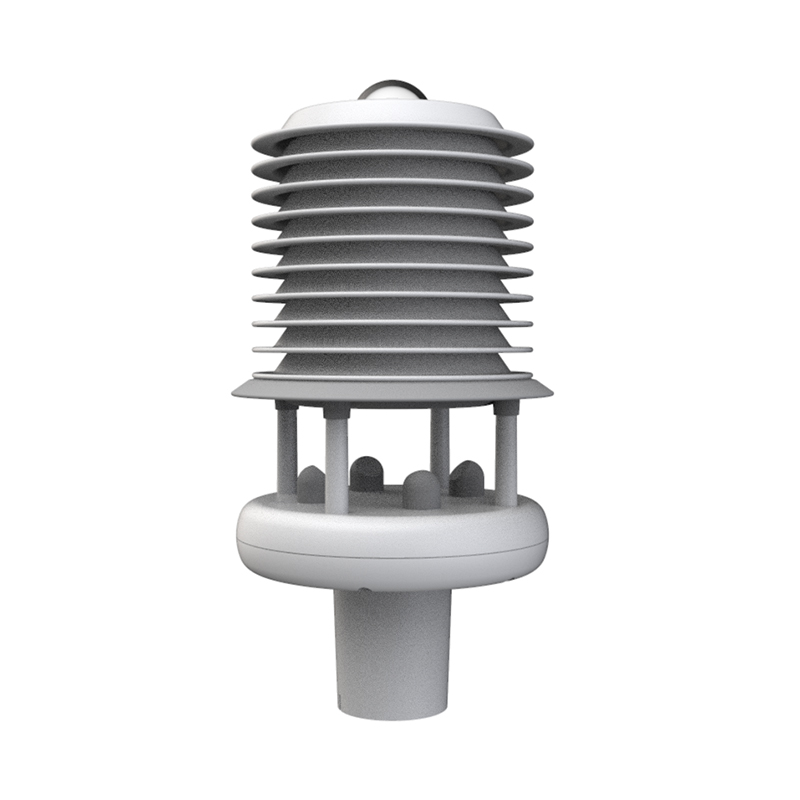
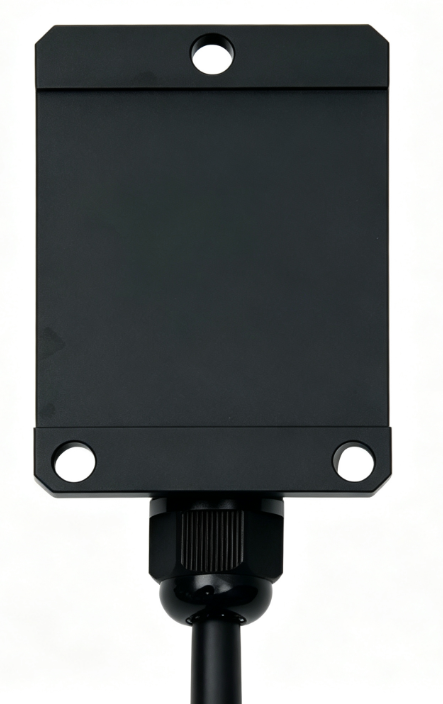
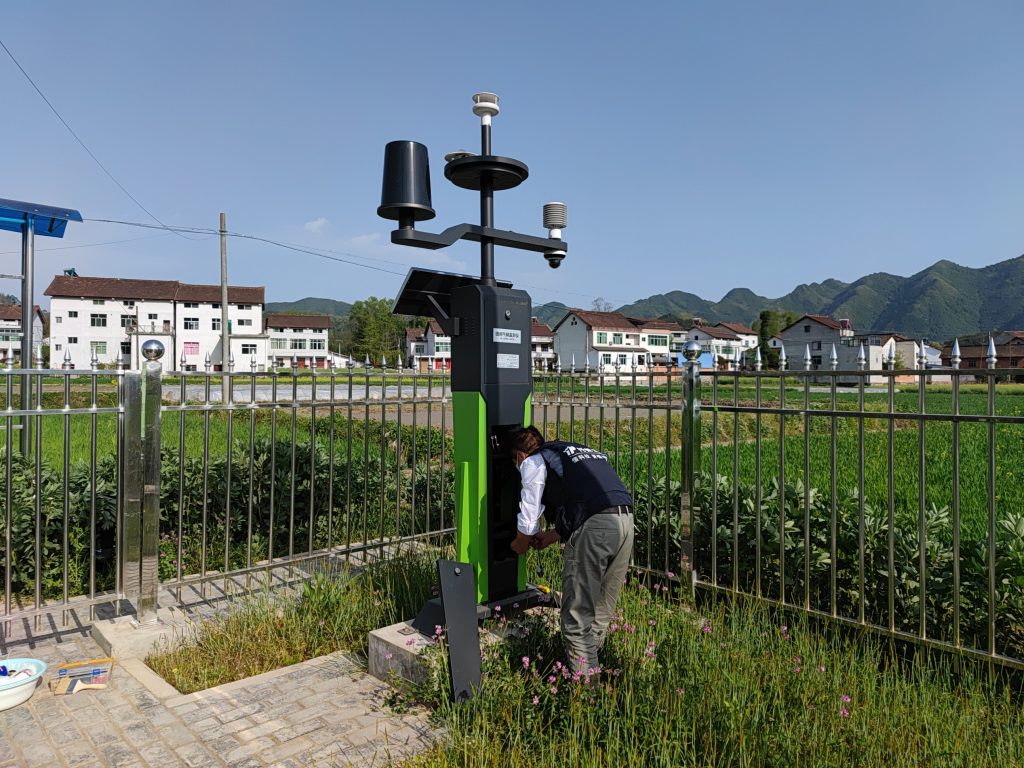
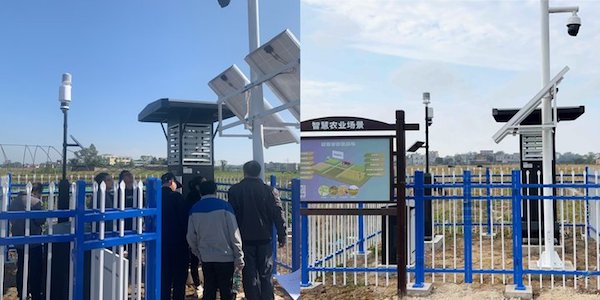
Weather Station

Measurable Parameters

Air Temp.,Air Humidity,Dew Point Temp.,Light Intensity,Wind Speed,Wind Direction,Precipitation,Atmospheric Pressure,Soil Temp. (4 layers),Soil Moisture (4 layers)、Soil Oxygen,Soil Electrical Conductivity,Negative Oxygen Ion,PM2.5,Crop Growth Image,Altitude/Positioning 

10 Types of Agricultural Data Analysis

Weather Monitoring、Precipitation Forecasting、Root Depth Analysis、Soil Moisture Analysis、Crop Water Demand Modeling、Crop Identification、Crop Growing Degree Day (GDD) Modeling、Crop Coverage Analysis、Agricultural Weather Disaster Risk Forecasting、Soil Moisture Variation Analysis

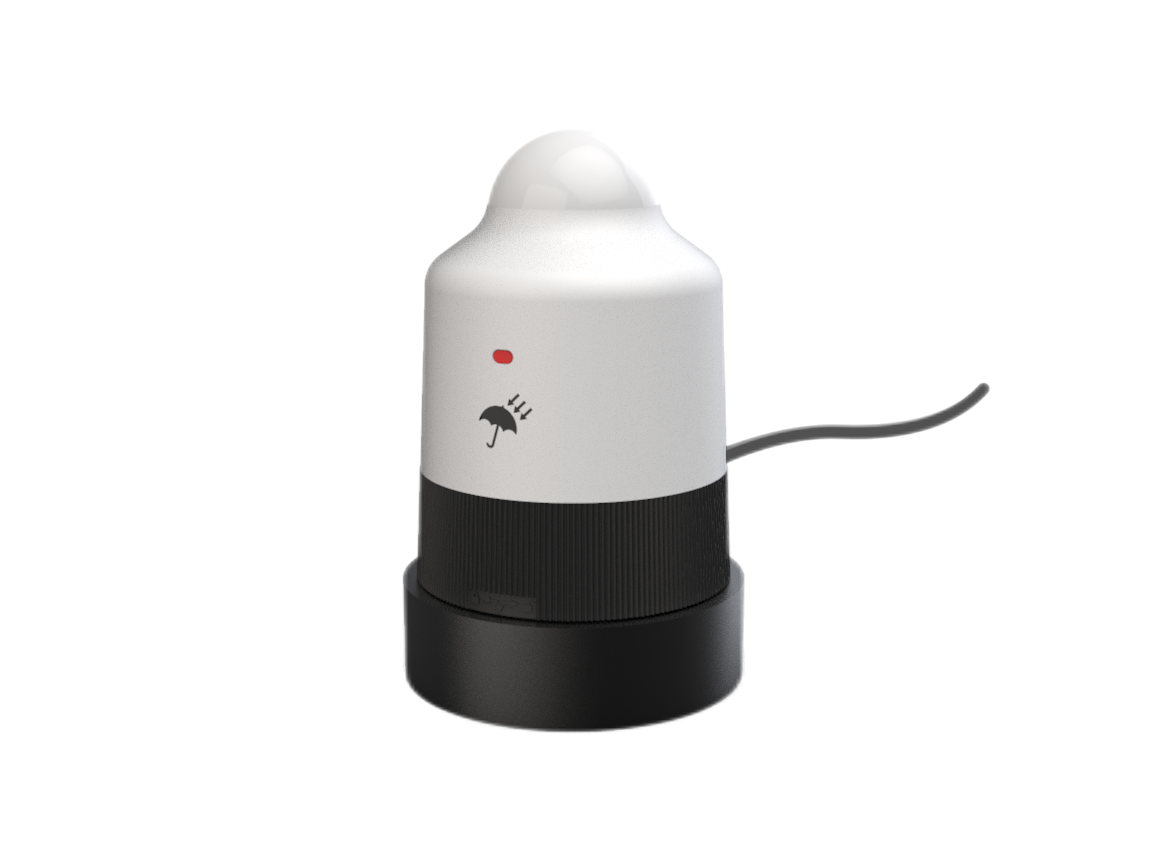
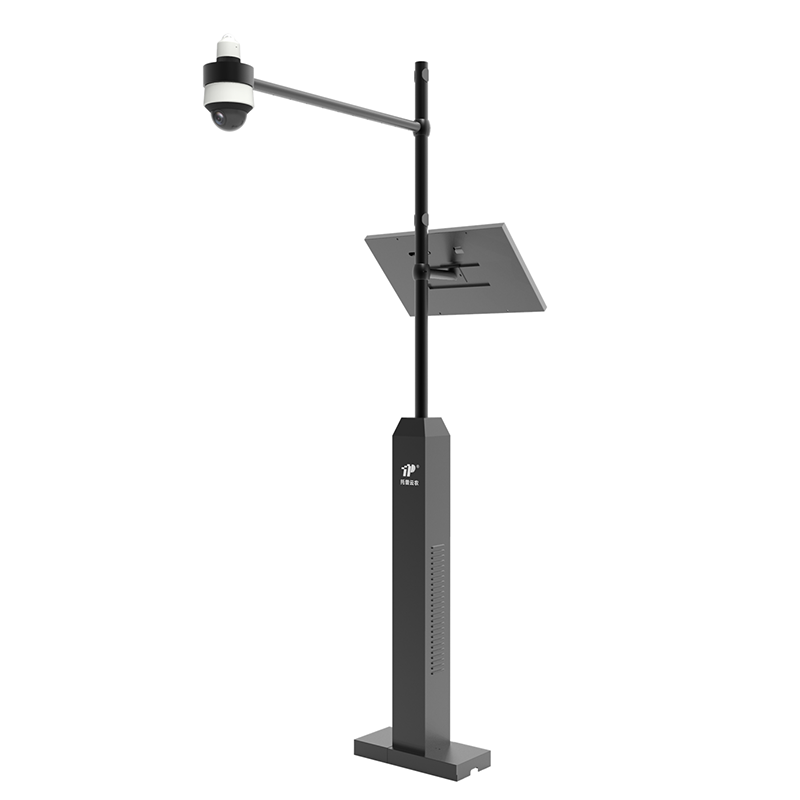
TP-WMS-1Z/P/H
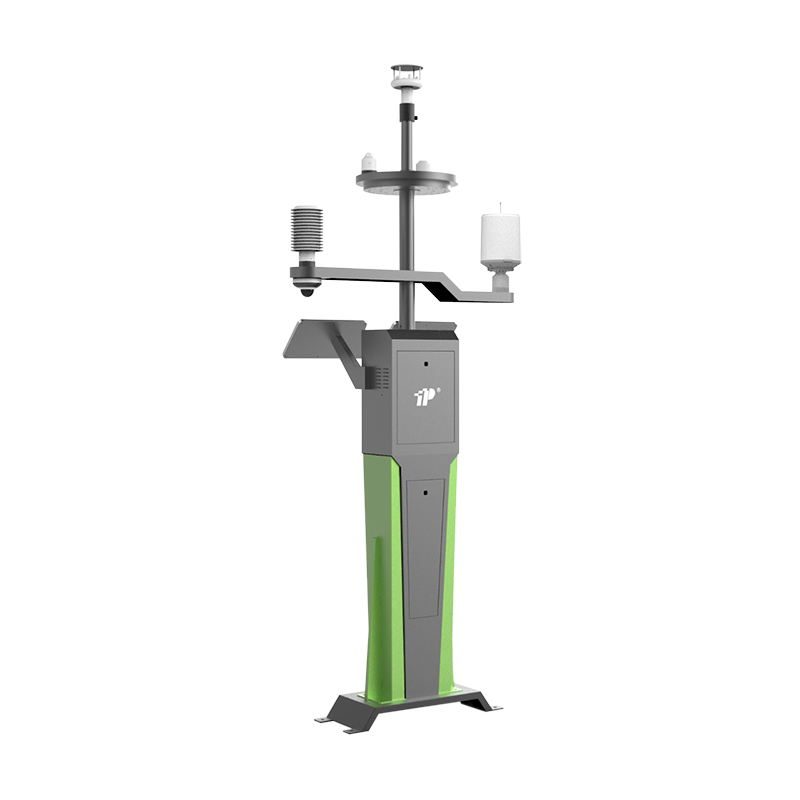
TP-WMS-1
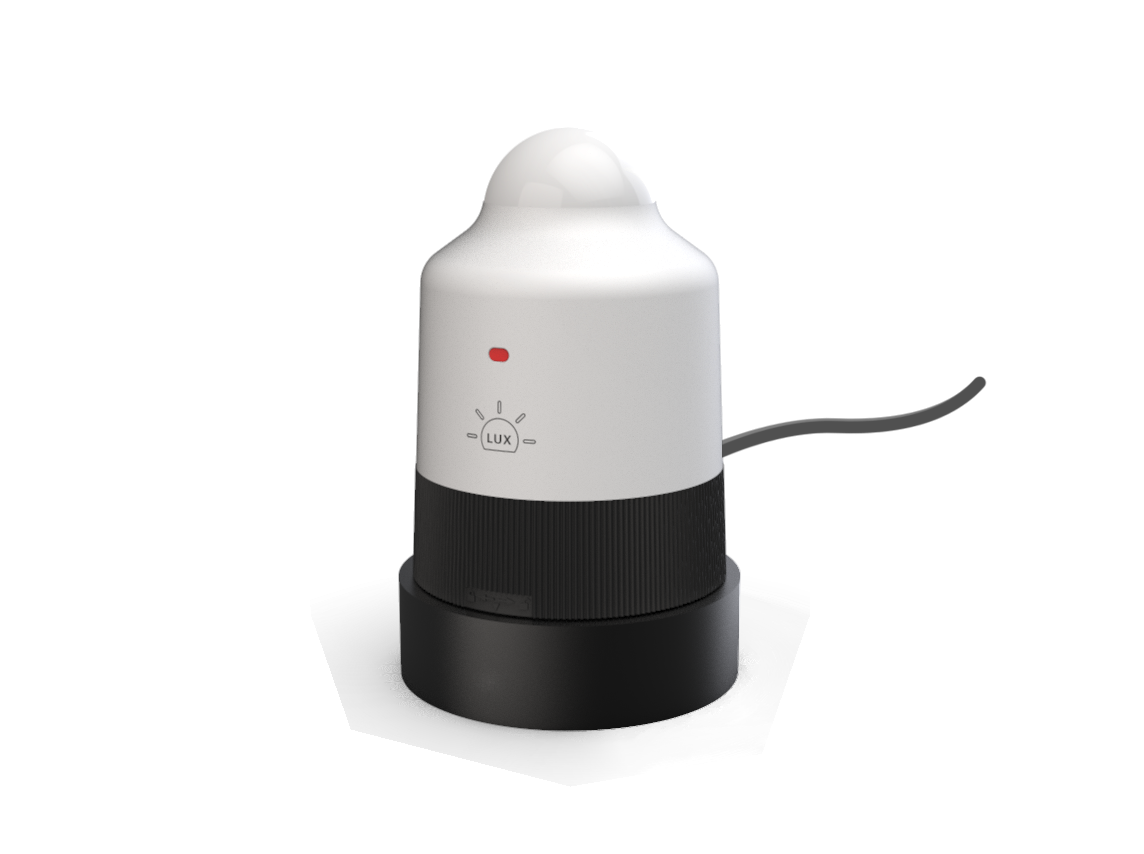
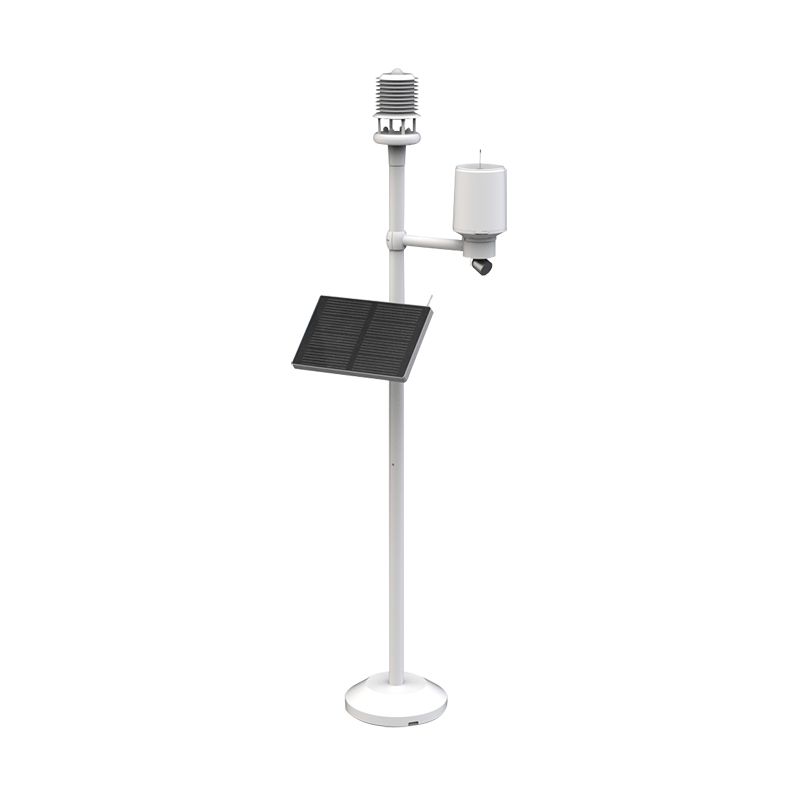
TP-WMS-1L
Water & Fertilizer

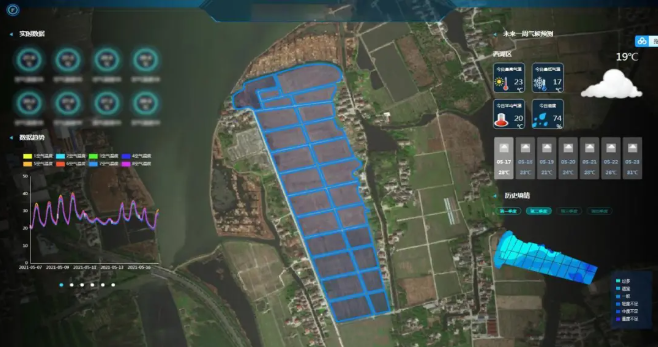
Closed-Loop Monitoring & Control

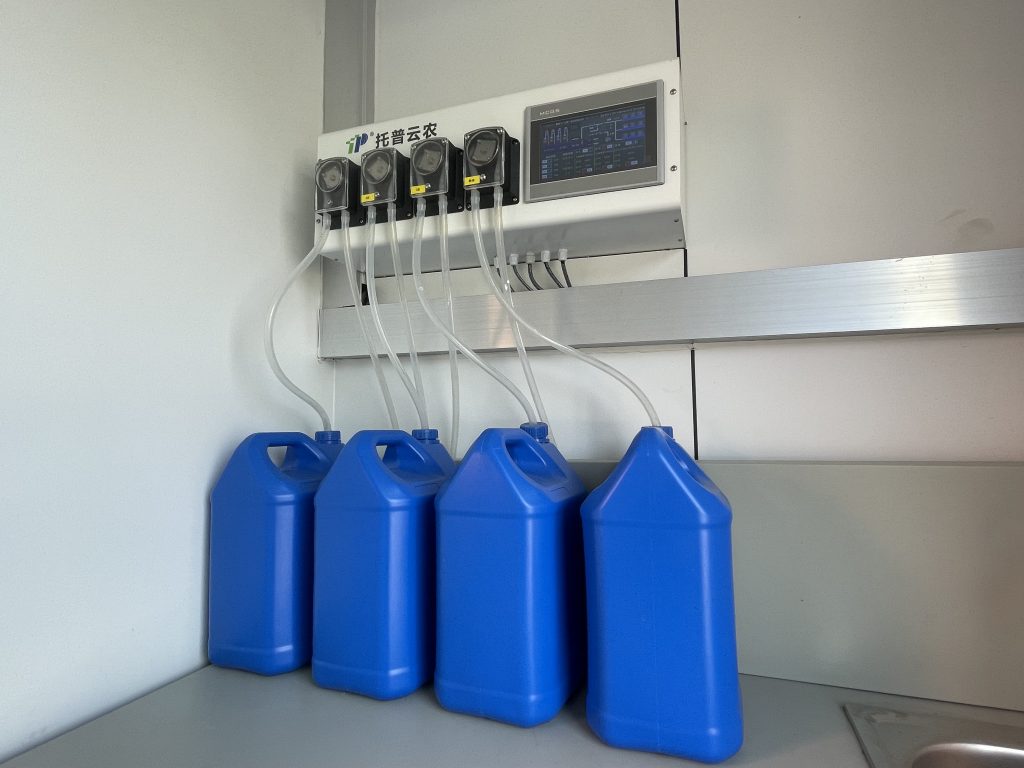
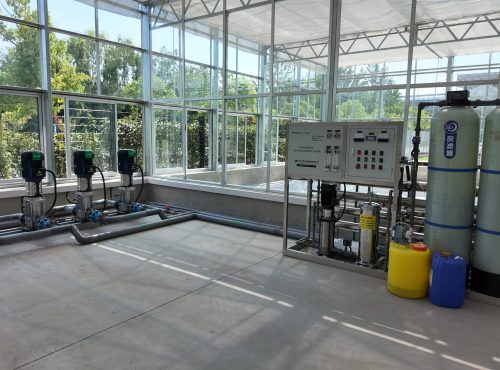
Data-driven and integrated with the water and fertilizer control system, the solution helps analyze crop water and nutrient requirements and automatically manages irrigation and fertilization, creating a closed loop from monitoring to control.

Precise Water & Nutrient Management

Sensors and intelligent algorithms continuously monitor the pH and EC levels of the nutrient solution, automatically adjusting nutrient composition and dynamically optimizing water–fertilizer ratios to deliver precise amounts of water and nutrients.

Multi-Mode Irrigation

Supports multiple irrigation and nutrient solution delivery modes, including drip irrigation, ebb and flow irrigation, and recirculating nutrient solution systems.

default
Pest & Disease Monitoring

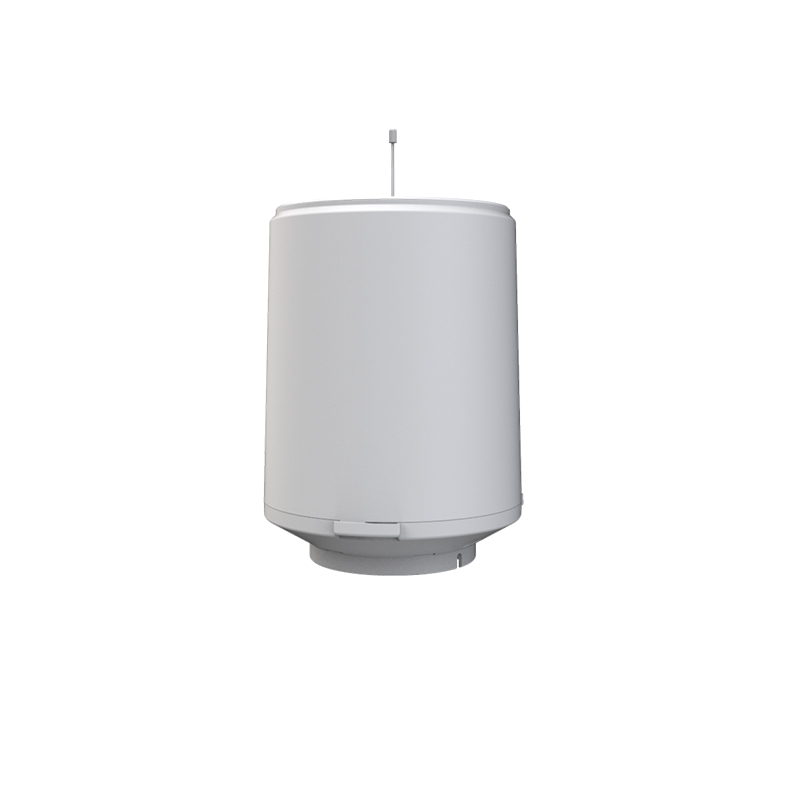
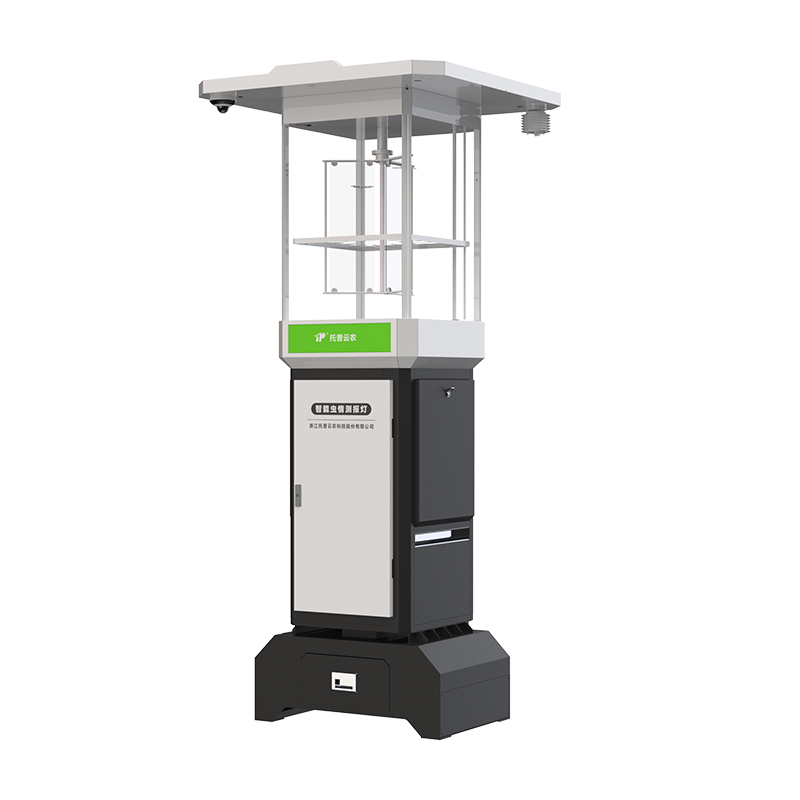
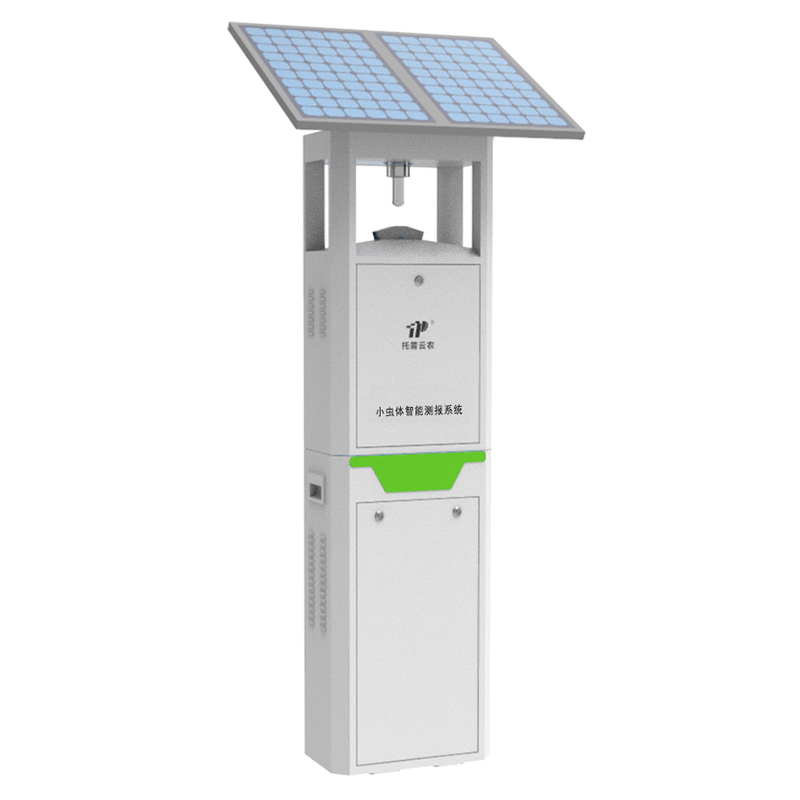
Automatically captures insects and airborne spores, identifies, classifies, and counts pests, and combines weather and crop growth data to analyze outbreak trends and provide early warnings. learn more→

TPCB-C 8.0
TPSC-8Z​
TPSC7-1-DC​
TPCB-FSCB
TPCB-FSCB
AI Farm Tools

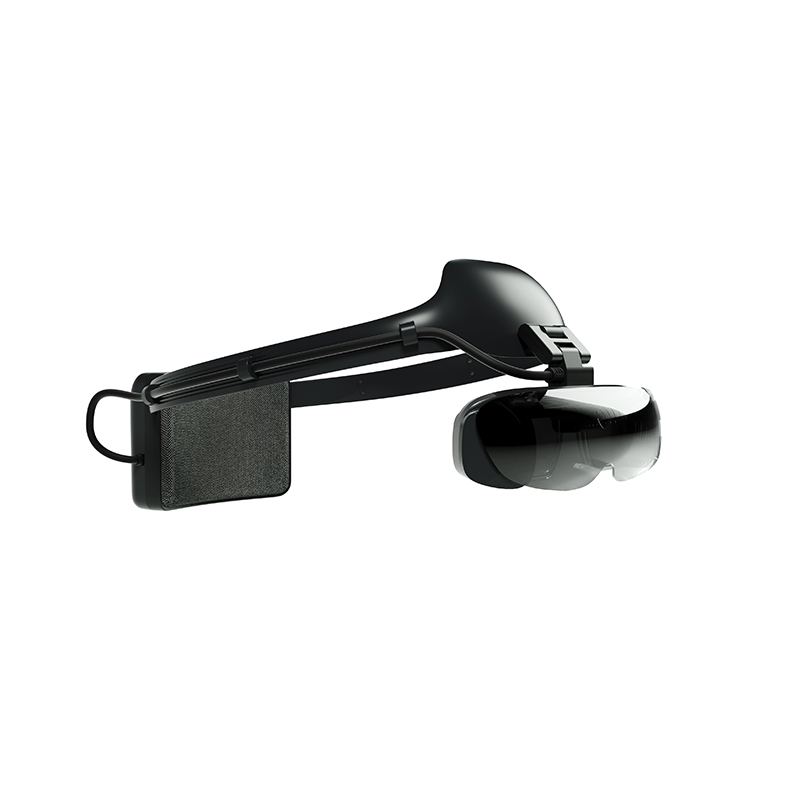
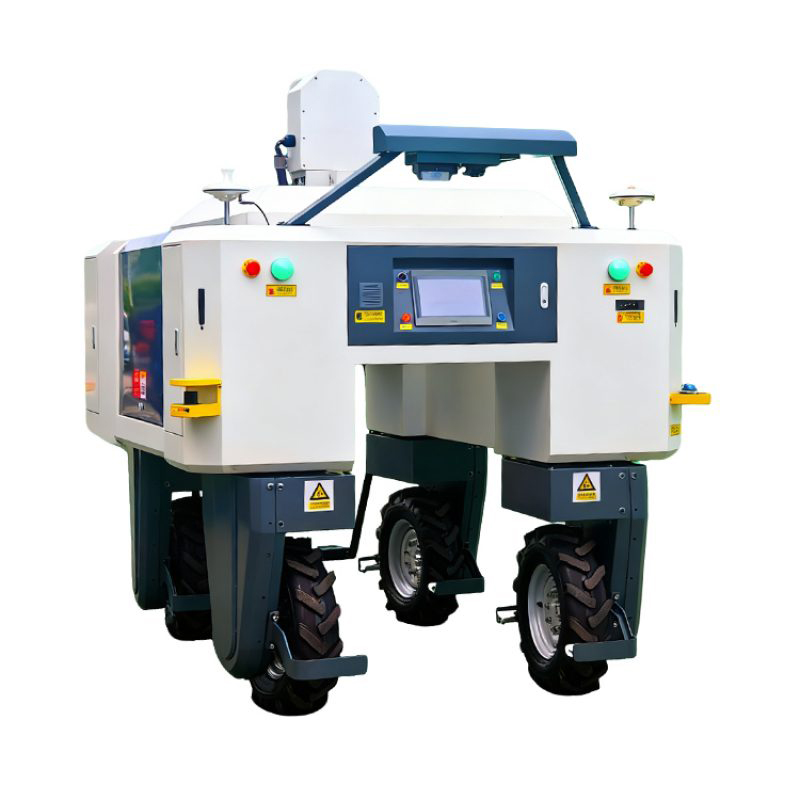
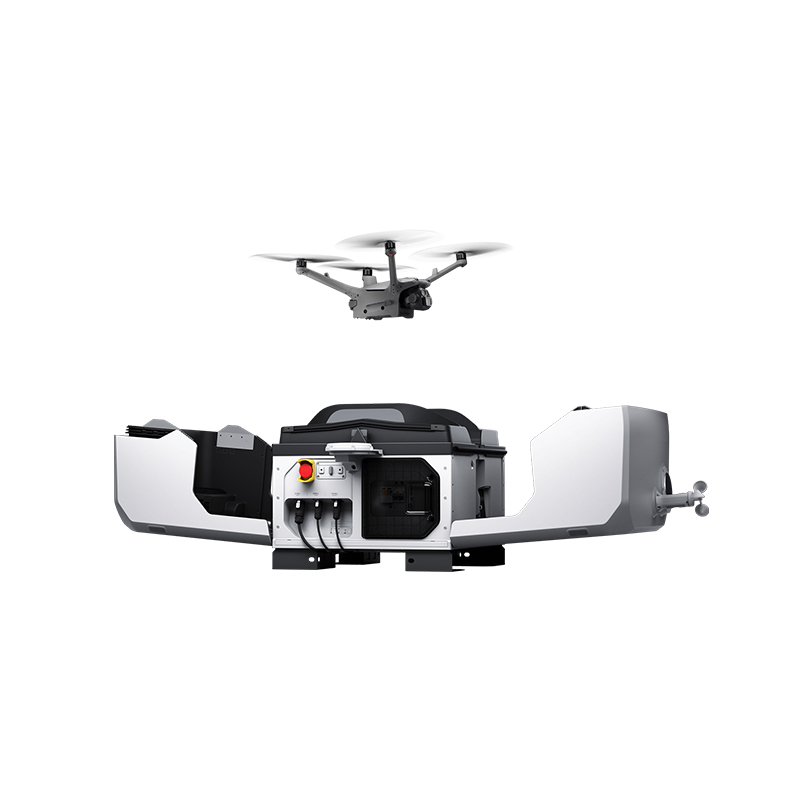
Integrate AI-powered AR glasses, autonomous agricultural robots, and smart drones into one intelligent farming ecosystem. 

AR
Gantry-Type
Dock Version
Farmers & Production

Raise output capacity and cut production costs.

1.Hardware

Environmental control: Temperature, humidity, and light (intensity and spectrum) to shorten growth cycles and increase organic matter content.

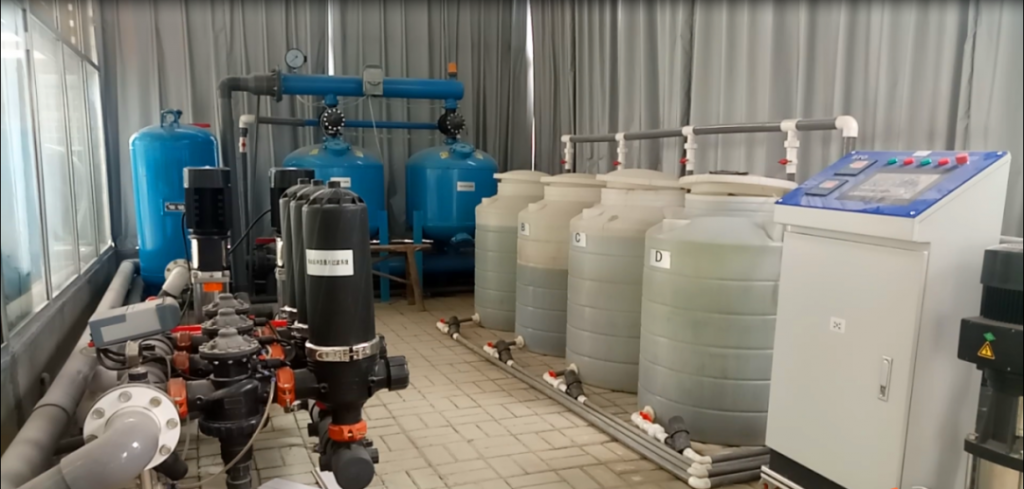
Smart water-fertilizer management: Water-fertilizer utilization rate above 95% (vs. only 30–40% in traditional agriculture), with nitrogen fertilizer use reduced by 40%.

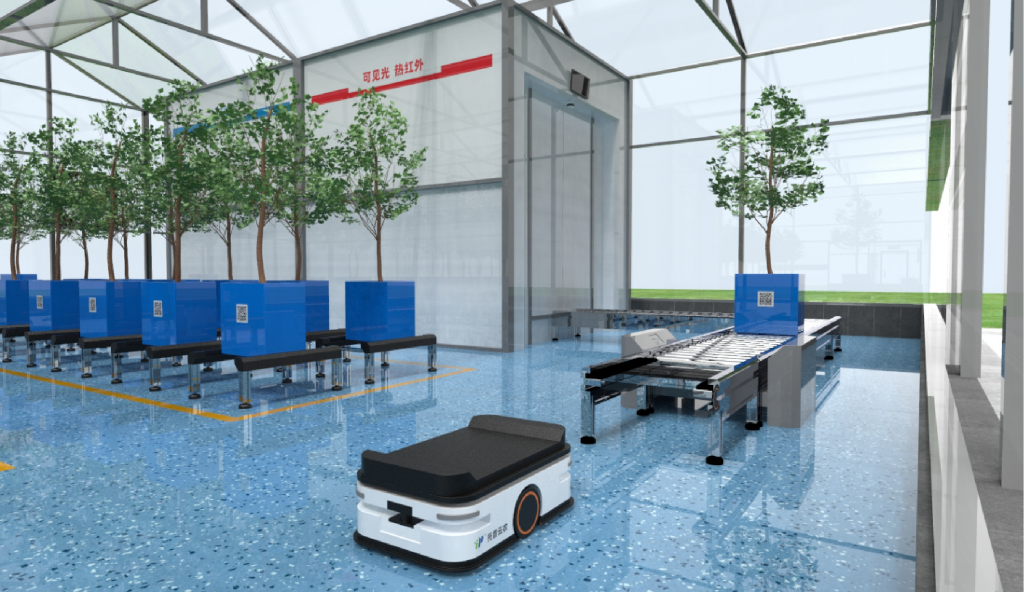
Automation systems: Seeding robots, transplanters, automatic harvesting arms, and AGV logistics to reduce labor costs.

2.Software

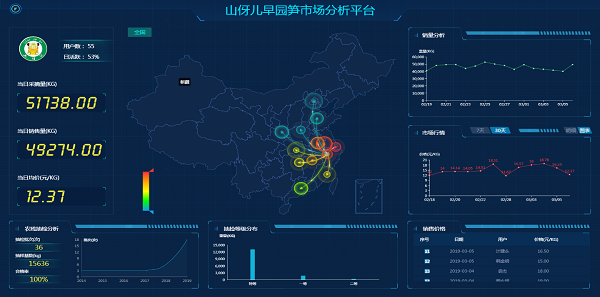
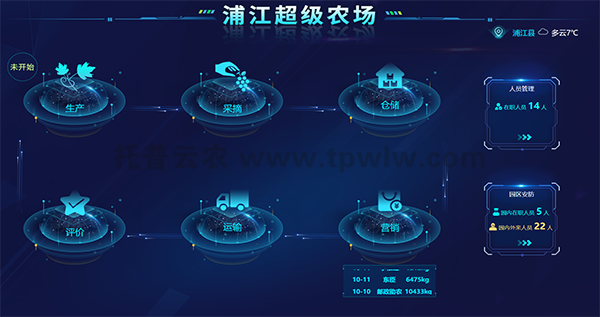
Production–supply–sales: Production data supports quality control and traceability; traceability builds consumer trust; and sales channels feed back into production decisions. On the production side, sensors and smart devices “record quality”; on the quality control side, the traceability system “proves quality”; on the sales side, data integration and channel partnerships “realize quality.” The three links are connected through a single data chain, enabling “growing well” to be verifiably translated into “selling well.”

Shanyar Early Bamboo Shoots
Pujiang Super Farm
"One-Stop Tea" Platform

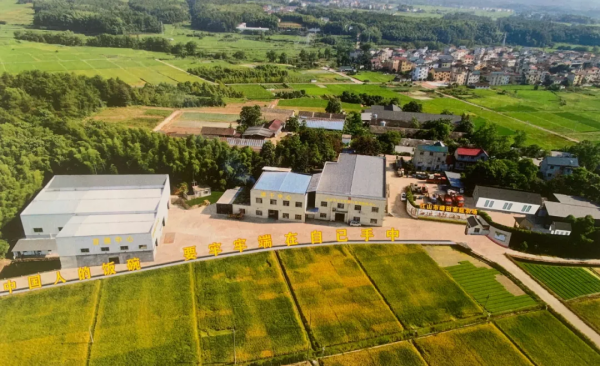
3. Classic Case——Fengtian Family Farm, Jiangshan City

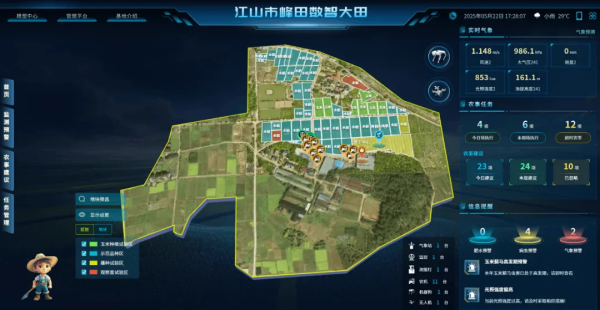
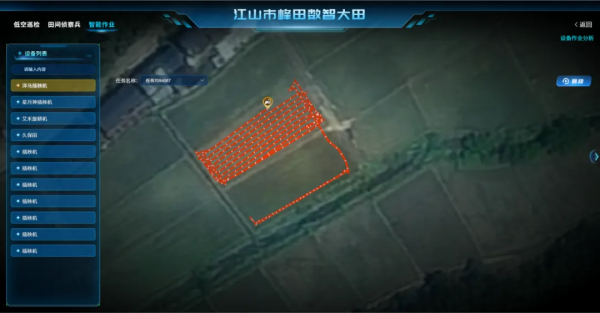
Fengtian Family Farm in Jiangshan City is the largest grain-growing entity in the city, with an annual sown area of over 7,000 mu. Covering the entire life cycle of grain production, Top Cloud-agri has built a digital and intelligent production management system spanning all stages—”seedling raising, plowing, sowing, management, harvesting, and drying”—through innovations in intelligent sensing, AI large models, low-altitude operations, and IoT technologies, as well as integrated innovation in smart equipment, significantly improving grain production efficiency and quality.

The application helped Fengtian Family Farm achieve water savings of about 10%, fertilizer savings of about 5%–10%, an increase in pest and disease control efficiency of about 30%, an improvement in crop production and management efficiency of over 50%, and a yield increase of about 6%–10%.

In 2024, the farm set four “Zhejiang Agricultural Records” with high-yield results: a maximum early rice yield of 754.36 kg per mu, a maximum early rice yield of 749.83 kg per mu over a 100-mu block, a maximum double-cropping rice yield of 1,585.54 kg per mu, and a maximum double-cropping rice yield of 1,577.09 kg per mu over a 100-mu block—becoming the first to achieve the provincial Party Committee’s goal of “1.5 tons of grain per mu per year.”

Government Regulation

Information integration for informed decision-making and large-scale planting management.

1.Hardware

Smart Crop Protection: Early warning and prevention of crop pests and diseases.

Environmental Monitoring: For example, in Fuding tea gardens, when the air temperature above the tea canopy drops below the frost-critical threshold of 4°C, the system automatically activates frost protection fans.

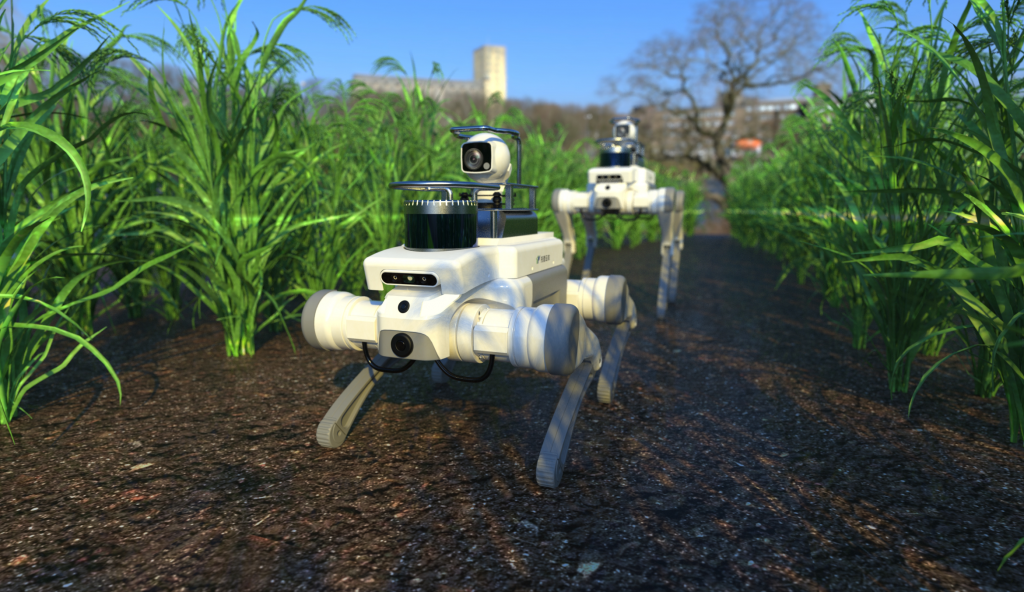
Automated Equipment: Inspection robots and agricultural spraying drones.

2. Smart Management Systems

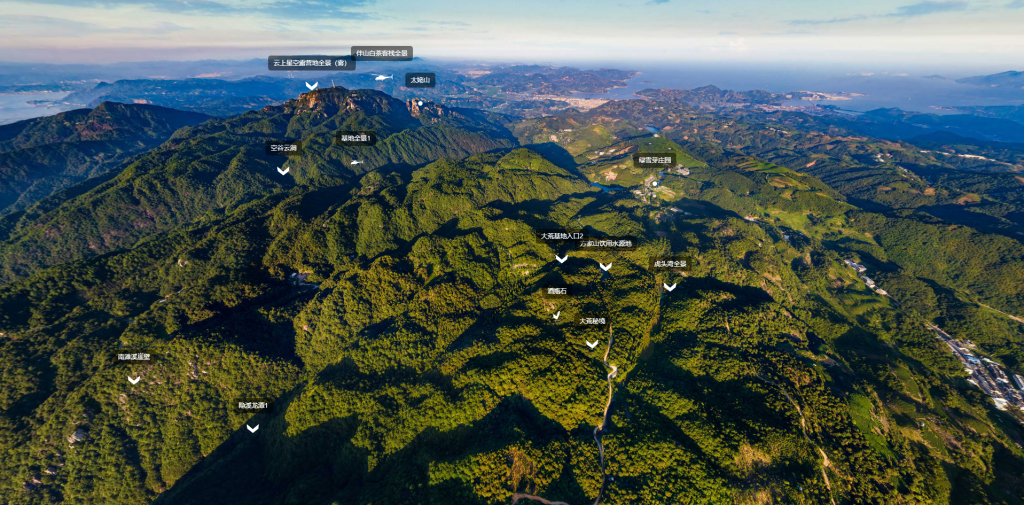
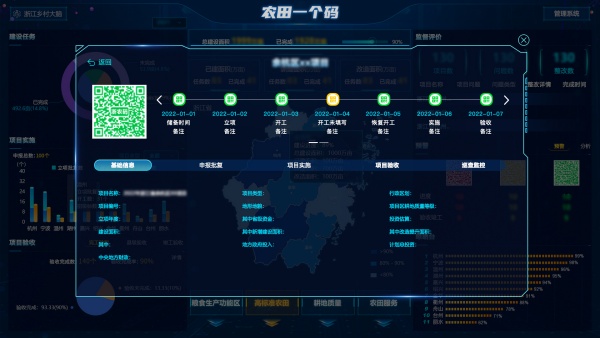
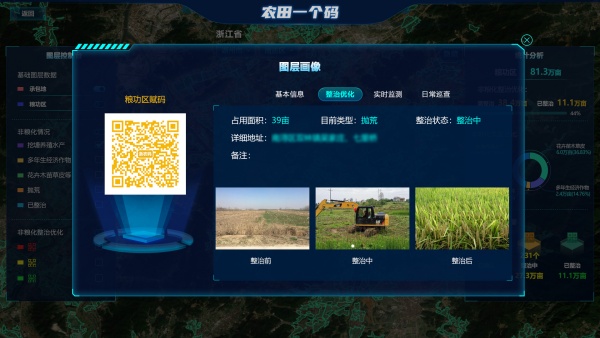
Farmland Supervision: In projects such as Gulin farmland, TOP Cloud-Agri has established an integrated “Sky-Ground-Space” monitoring system to monitor farmland utilization, non-grain crop conversion, and facility damage through multiple dimensions. When abnormalities are detected, the system automatically sends alerts and location information to staff via mobile devices, creating a closed-loop process of Monitoring – Early Warning – Response. Each farmland plot is also assigned a unique digital code, enabling full-process traceability and supporting map-based farmland management.

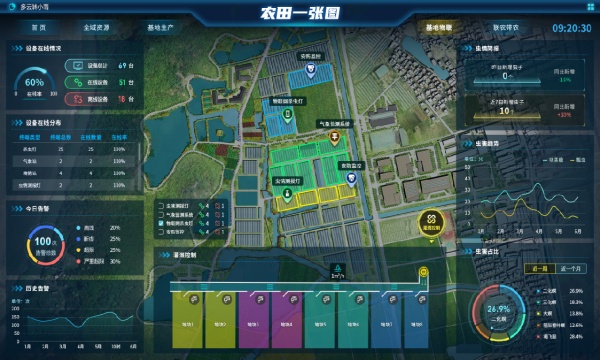
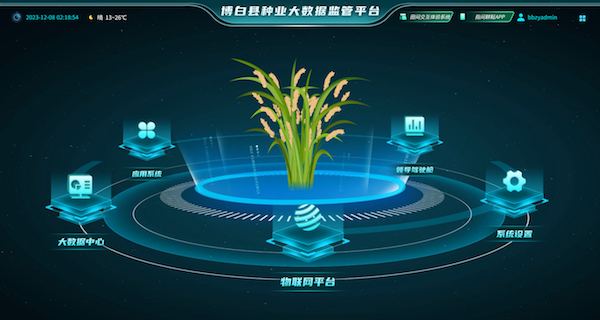
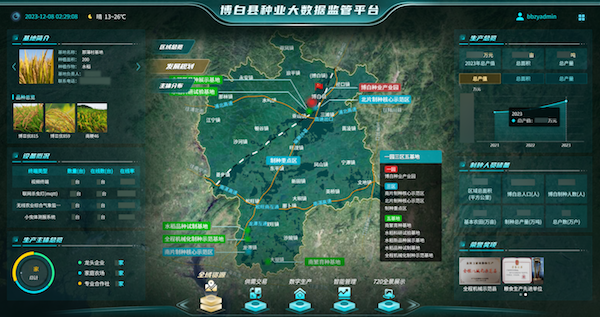
Seed Industry Supervision: The Bobai County Seed Industry Big Data Supervision Platform integrates data on seed production enterprises, land resources, environmental conditions, crop pests and diseases, and geographic information. It also connects industry data on production, output value, and seed supply and demand, creating a comprehensive resource map and intelligent management scenarios to improve seed industry supervision and management.

Research Support

Provide data support and automated management workflows for scientific research.

1. Hardware

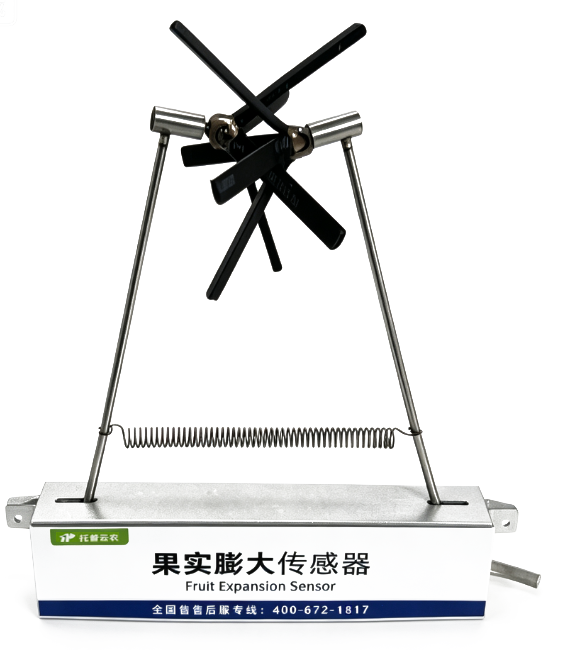
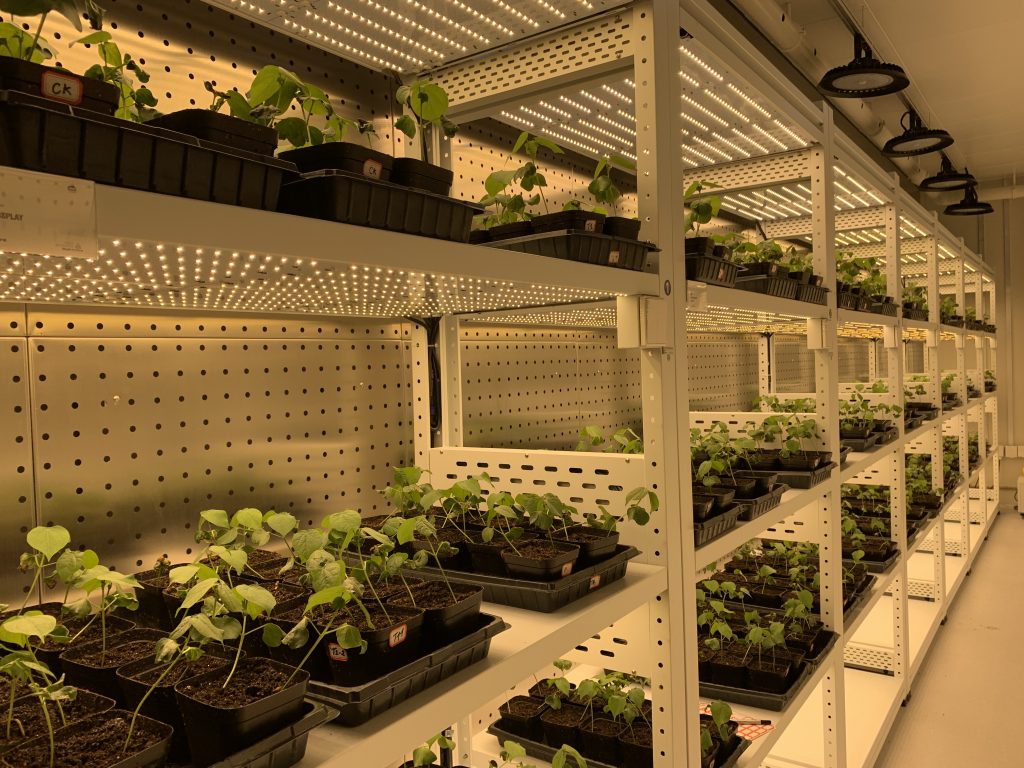
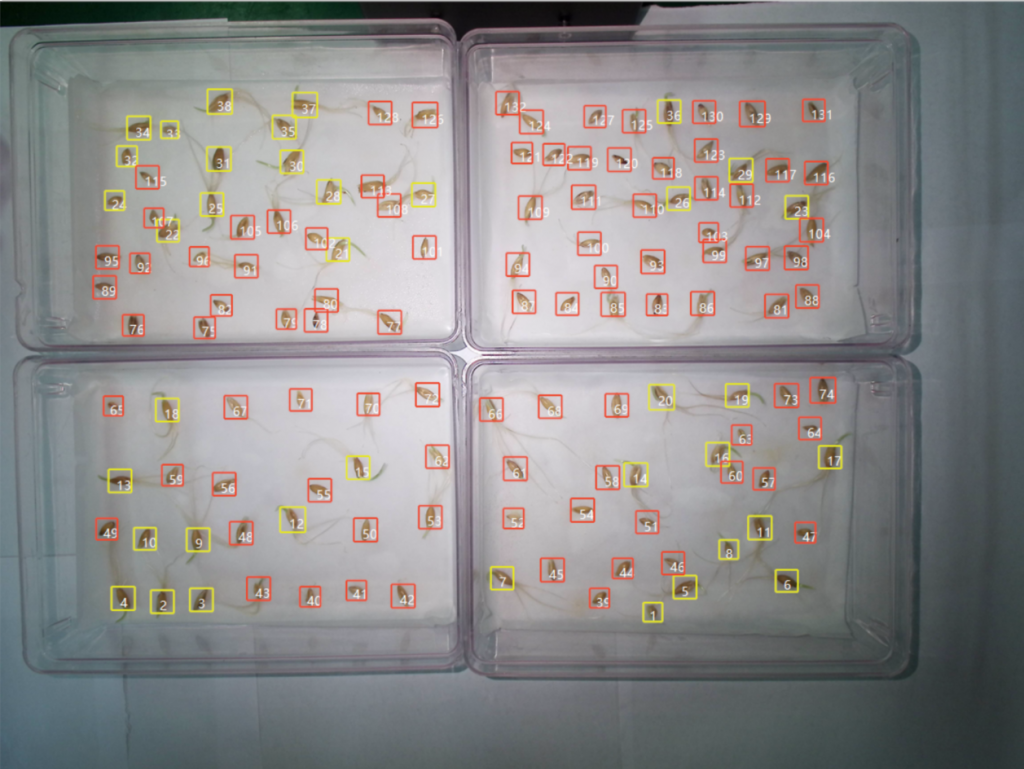
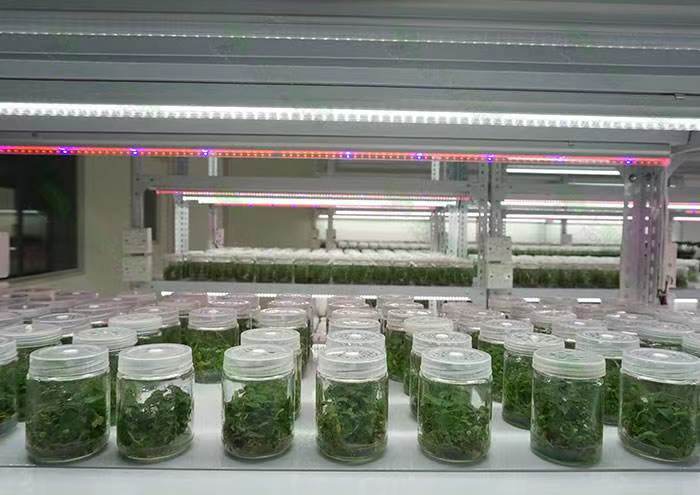
Plant Phenotyping: 2D and 3D reconstruction, hyperspectral imaging, and other imaging systems for plant phenotypic data acquisition. Phenotyping sensors and devices, such as fruit growth measurement instruments and leaf temperature meters, are also used to collect key plant growth parameters.

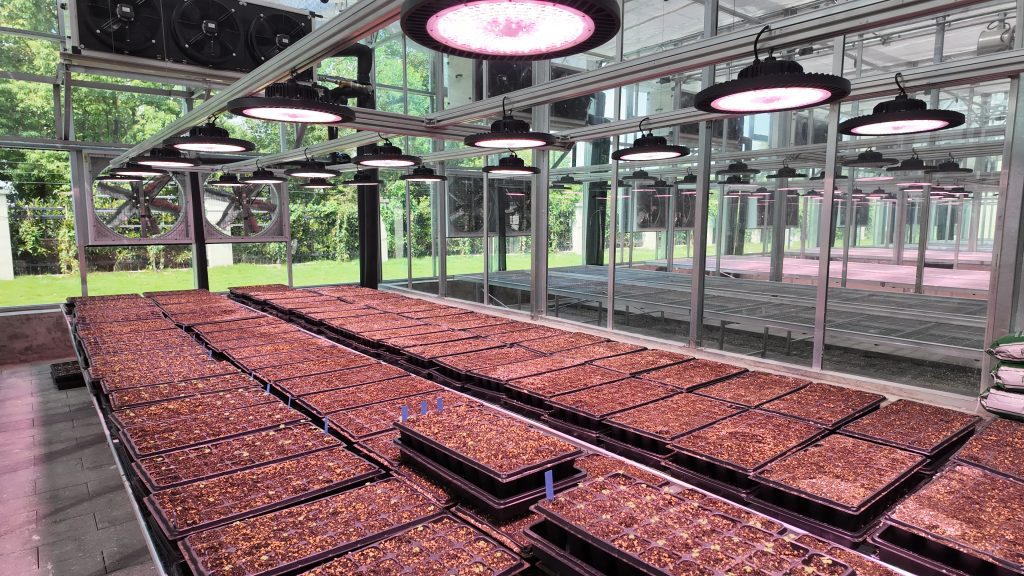
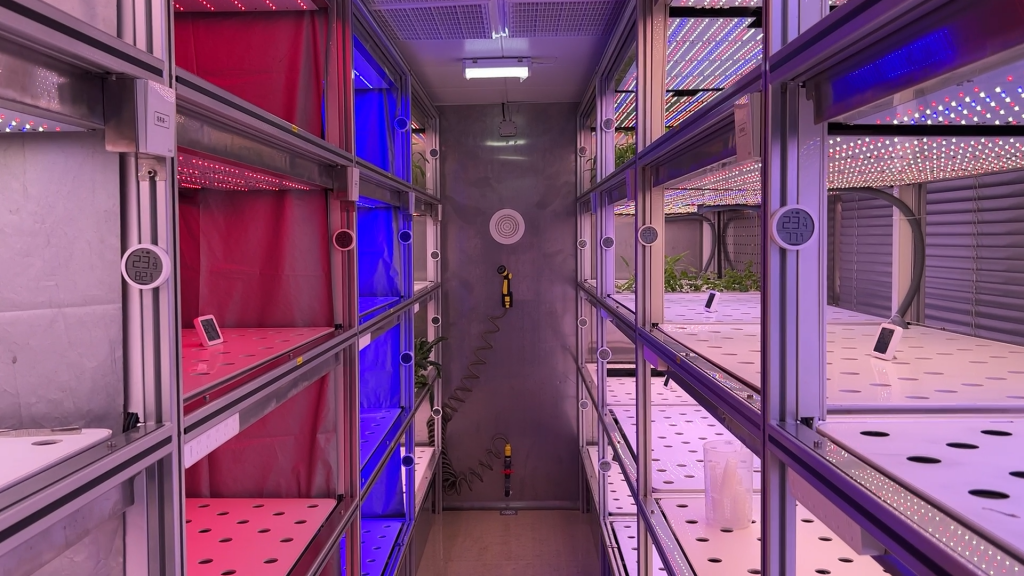
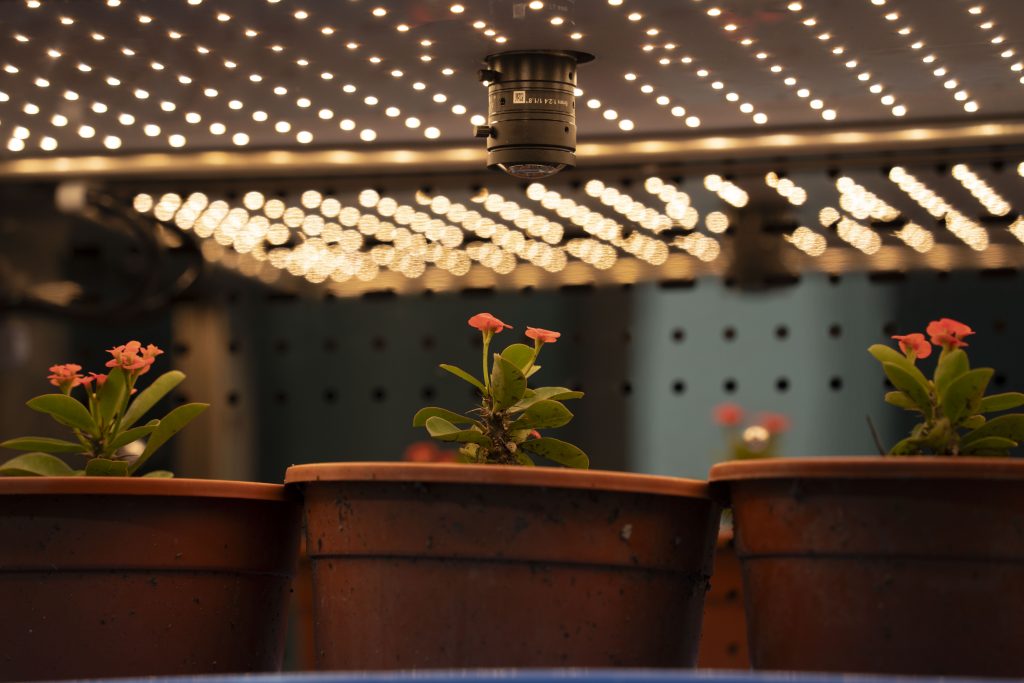
Environmental Control: Precise control of temperature, humidity, and light (including light intensity and spectrum) to create specific environmental conditions required for experiments.

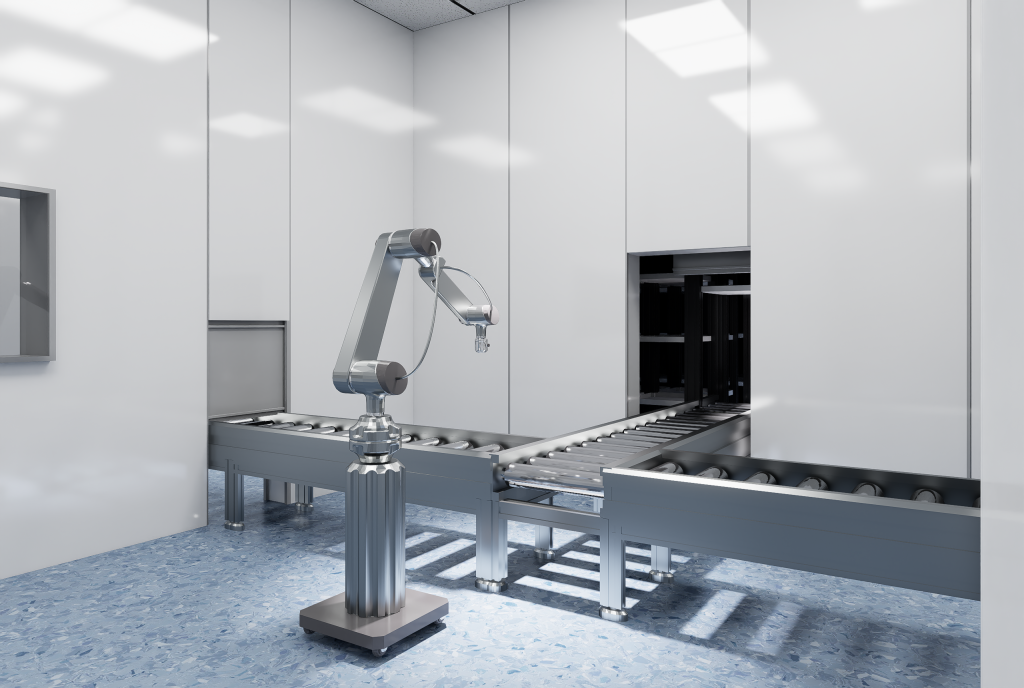
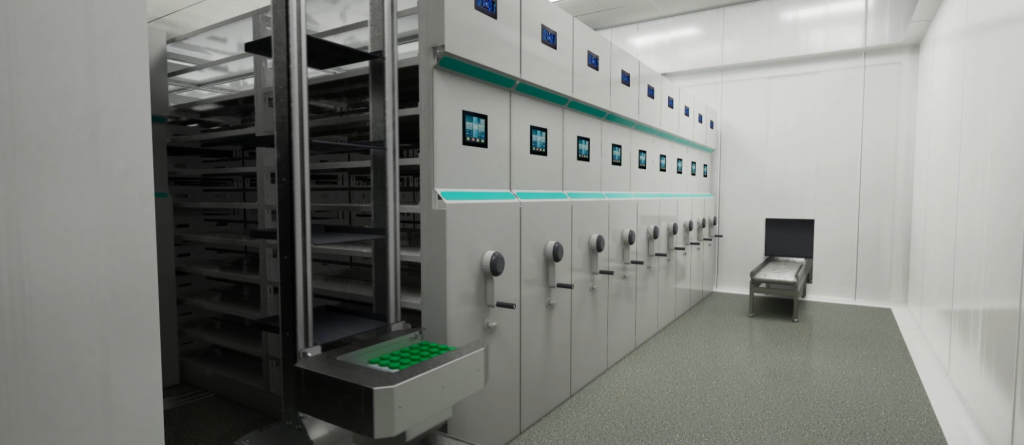
Automated Systems: Automated storage and retrieval robots.

2. Smart Management Systems

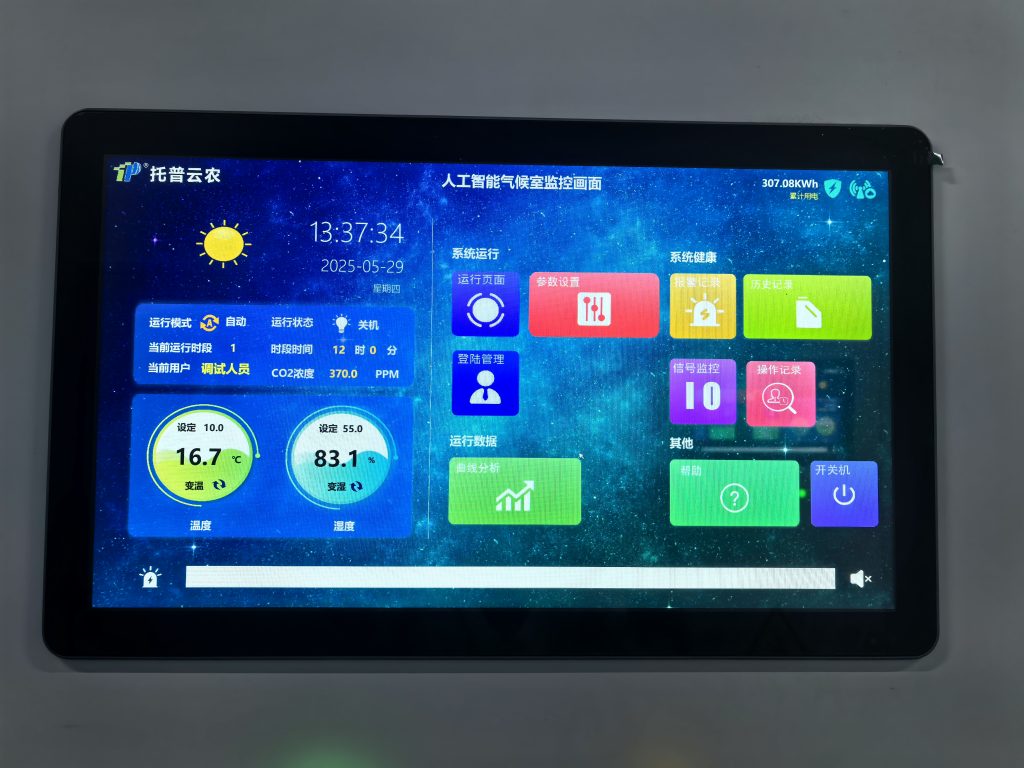
Artificial Climate Chambers: Intelligent Artificial Climate Chamber Management System

At the research management level, the software provides functions for recording and managing research projects, varieties, planting activities, and experimental data, with support for image and video uploads.

The “Digital Climate Chamber” module on the visualized dashboard displays research teams, climate chamber resource utilization, experimental duration, growth comparisons between control groups, experimental treatments, and results.

This transforms the climate chamber from a simple environmental control device into an integrated research facility with a built-in digital experiment logbook.

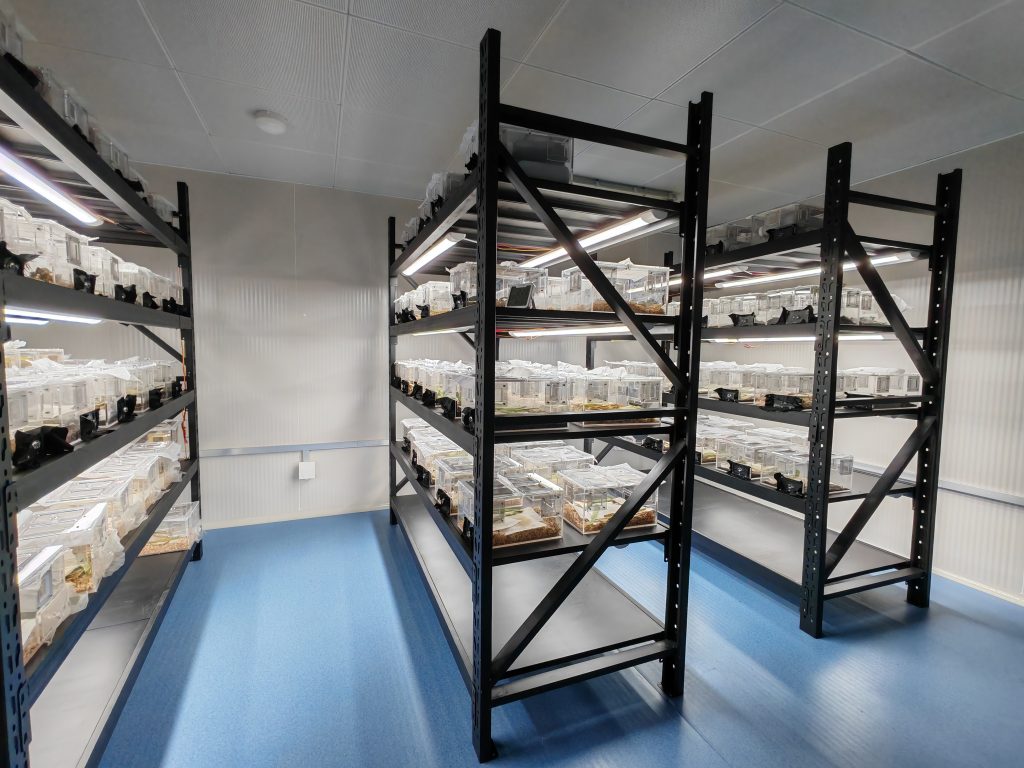
Germplasm Resource Banks: Digital Germplasm Resource Bank Management Platform

The core purpose of this software is to ensure that every seed lot can be fully traced, monitored for potential risks, and easily retrieved throughout its entire lifecycle, from storage to distribution.

The upgraded platform covers the complete operational workflow:

Collection – Identification & Coding – Trait Analysis – Seed Viability Testing – Storage – Distribution & Utilization

This enables comprehensive digital management and traceability of germplasm resources.